
This content is for informational purposes only and does not constitute medical advice. Always consult a qualified healthcare provider before making dietary changes. Histamine tolerance is highly individual.
This information applies to histamine intolerance, DAO deficiency, and MCAS only. If you have a confirmed food allergy, this content does not apply to you. Food allergies involve the immune system and can be life-threatening. Please consult your allergist.
Is Cocoa a trigger for histamine intolerance?
Cocoa scores a 2 out of 3 on the SIGHI Food Compatibility List, placing it in the Moderate category. It is also classified on some reference lists as a potential histamine liberator. This reflects the reference list's classification rather than a confirmed mast-cell mechanism, since research specifically testing this hasn't provided strong support for it.
Cocoa & Histamine, what the evidence says
Chocolate isn't always high in histamine on its own, but it's often classified on reference lists as a potential histamine liberator, meaning it's suggested to trigger the body's own mast cells to release stored histamine. As discussed on this site's orange and papaya pages, this proposed liberator mechanism is less scientifically established than commonly presented, so this is better understood as a reference-list classification than a confirmed biological effect.
Separately, and on firmer ground, cacao beans undergo fermentation as part of standard chocolate production, and this process can affect the levels of histamine and other biogenic amines in the finished product. Studies have detected several biogenic amines in cocoa and chocolate, including histamine, tyramine, phenylethylamine, putrescine, and others, with substantial variation depending on the cocoa variety, fermentation process, and manufacturing conditions. This helps explain why the amine content of chocolate can vary noticeably between products and batches.
Chocolate also naturally contains tyramine and phenylethylamine, both of which are biogenic amines that can affect the nervous system and have been investigated in connection with food-related headaches and other reactions. However, the relationship between these compounds, chocolate, and migraine is not well established, and controlled studies have not consistently shown chocolate itself to trigger migraine attacks. This can make it difficult to determine whether a reaction to chocolate is related to histamine, other biogenic amines, or another component of the food.
The more cocoa solids a chocolate contains, the more of the compounds naturally associated with cocoa it generally provides. This is one reason dark chocolate can be more challenging for people who are sensitive to cocoa or its naturally occurring amines. White chocolate is different because it is made primarily from cocoa butter rather than cocoa solids, so it contains much less of the compounds concentrated in the non-fat portion of the cocoa bean. However, white chocolate also contains other ingredients, such as milk and sugar, which can affect individual tolerance.
Theobromine and caffeine are also part of chocolate's natural composition. These stimulant compounds can affect the nervous system independently of histamine and may contribute to symptoms such as nervousness, palpitations, or difficulty sleeping in sensitive individuals. This is another reason why a reaction to chocolate does not necessarily indicate a histamine-related mechanism.
Does preparation change the risk?
Cocoa solids content is the main driver of amine exposure here: the more cocoa solids a chocolate contains, the more of cocoa's naturally occurring compounds it tends to carry.
| Form | Risk Level | Notes |
|---|---|---|
| White chocolate | Low | Made primarily from cocoa butter without cocoa solids; generally the best-tolerated form, though milk and sugar content still matter |
| Milk chocolate | Moderate | Lower cocoa solids content than dark chocolate; often better tolerated |
| Dark chocolate (high cocoa) | High | Higher cocoa solids content and associated compounds; more frequently reported as a trigger by sensitive individuals |
| Cocoa powder | High | A concentrated form of cocoa solids; may contribute to symptoms more readily |
Note: Risk levels are based on clinical observations and patient reports, not standardized histamine measurements. Individual tolerance varies.
A food score is a reference, not a verdict.
Histamine intolerance is highly individual. A food that triggers symptoms in one person may be tolerated by another, even within the same category.
Strict elimination may help reduce symptoms initially, but long-term progress often depends on gradual reintroduction and pattern recognition. The goal is not to remove more foods over time, but to understand your personal tolerance and expand your diet when possible.
Tracking symptoms, portions, and context such as stress or timing can provide insights that generalized food lists cannot. This is where informed decisions replace fear-based restriction.
How to test your tolerance
 Start with very small amounts.
Especially if you suspect sensitivity. A small piece is enough for an initial test.
 Test different types.
White or milk chocolate may be better tolerated than dark. Starting with the lowest cocoa percentage is advisable.
 Avoid combining with other triggers.
Chocolate is often consumed with other potential triggers. Isolating it helps identify your personal response more clearly.
 Be mindful of timing.
Some people find they react more when consuming chocolate on an empty stomach. Trying it with a meal first may be helpful.
 Consider caffeine sensitivity.
Chocolate contains stimulants like caffeine and theobromine that may influence symptoms independently of histamine.
 Track your response carefully.
Note the type, cocoa percentage, quantity, and timing. Look for patterns across multiple trials using MyHistaMap.
Common questions about Cocoa and histamine
Is chocolate high in histamine?
Not always. Chocolate is more commonly flagged on reference lists as a potential histamine liberator rather than a high-histamine food, though that specific mechanism hasn't been firmly established by research.
Why does chocolate trigger symptoms?
It contains tyramine, phenylethylamine, and other biogenic amines formed partly during fermentation, which can affect sensitive individuals independently of histamine content alone. It's also flagged as a potential liberator on some reference lists, though that mechanism is less established than commonly presented.
Is dark chocolate worse than milk chocolate?
Generally, dark chocolate contains more cocoa solids, and with it, more of the compounds naturally associated with cocoa, which is why it's more frequently reported as a trigger by sensitive individuals.
Can I eat chocolate with histamine intolerance?
Some individuals tolerate small amounts, particularly white chocolate, while others prefer to limit or avoid it, especially during early stages. Individual testing with careful tracking is the recommended approach.
Does chocolate cause migraines?
This is less established than commonly believed. Controlled provocation studies comparing chocolate to a placebo have not consistently found chocolate to trigger migraine attacks, even though many people report it as a trigger.
Some people find these options helpful


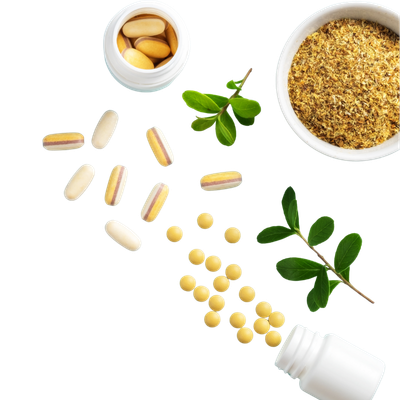
Supplements are optional tools, not a solution. Personal tracking and identifying your individual triggers remains the priority.


Where this information comes from
At MyHistaMap we curate information from peer reviewed research and recognized medical sources. This guide is a reference tool, not a medical prescription. Always track your own reactions and consult your healthcare provider.
References
- SIGHI-Leaflet Histamine Elimination Diet: groups cocoa, cocoa mass, and brown/dark chocolate under foods to avoid, while listing white chocolate separately under foods that are merely 'risky', supporting the distinction in risk level between chocolate types referenced on this page, reported here as the source's classification rather than a confirmed mechanism.
- Effect of Fermentation, Drying and Roasting on Biogenic Amines and Other Biocompounds in Colombian Criollo Cocoa Beans and Shells, 2020: measured histamine, tyramine, phenylethylamine, putrescine, and other biogenic amines in cocoa beans, with levels varying by fermentation process and processing conditions. The source for the amine variability referenced on this page.
- Aromatic Components of Food as Novel Eliciting Factors of Pseudoallergic Reactions in Chronic Urticaria, Journal of Allergy and Clinical Immunology, 2002: found a suspected food pseudoallergen did not directly cause mast-cell histamine release in testing, illustrating that the general 'histamine liberator' mechanism proposed for foods, chocolate included, is less scientifically settled than commonly presented. The source for this page's caution about the liberator mechanism.
- To Eat or Not to Eat: A Review of the Relationship Between Chocolate and Migraines, Nutrients, 2020: found that all identified double-blind, placebo-controlled provocation studies failed to show a significant difference between chocolate and placebo in triggering migraine attacks, concluding there is insufficient evidence that chocolate is a migraine trigger. The source for this page's caution about the chocolate-migraine link.