Education
What Is Histamine Intolerance? Symptoms, Causes, and What to Do
Histamine intolerance is not an allergy and not a trend. Learn what actually happens in your body, why it is so hard to diagnose, and what you can do about it.
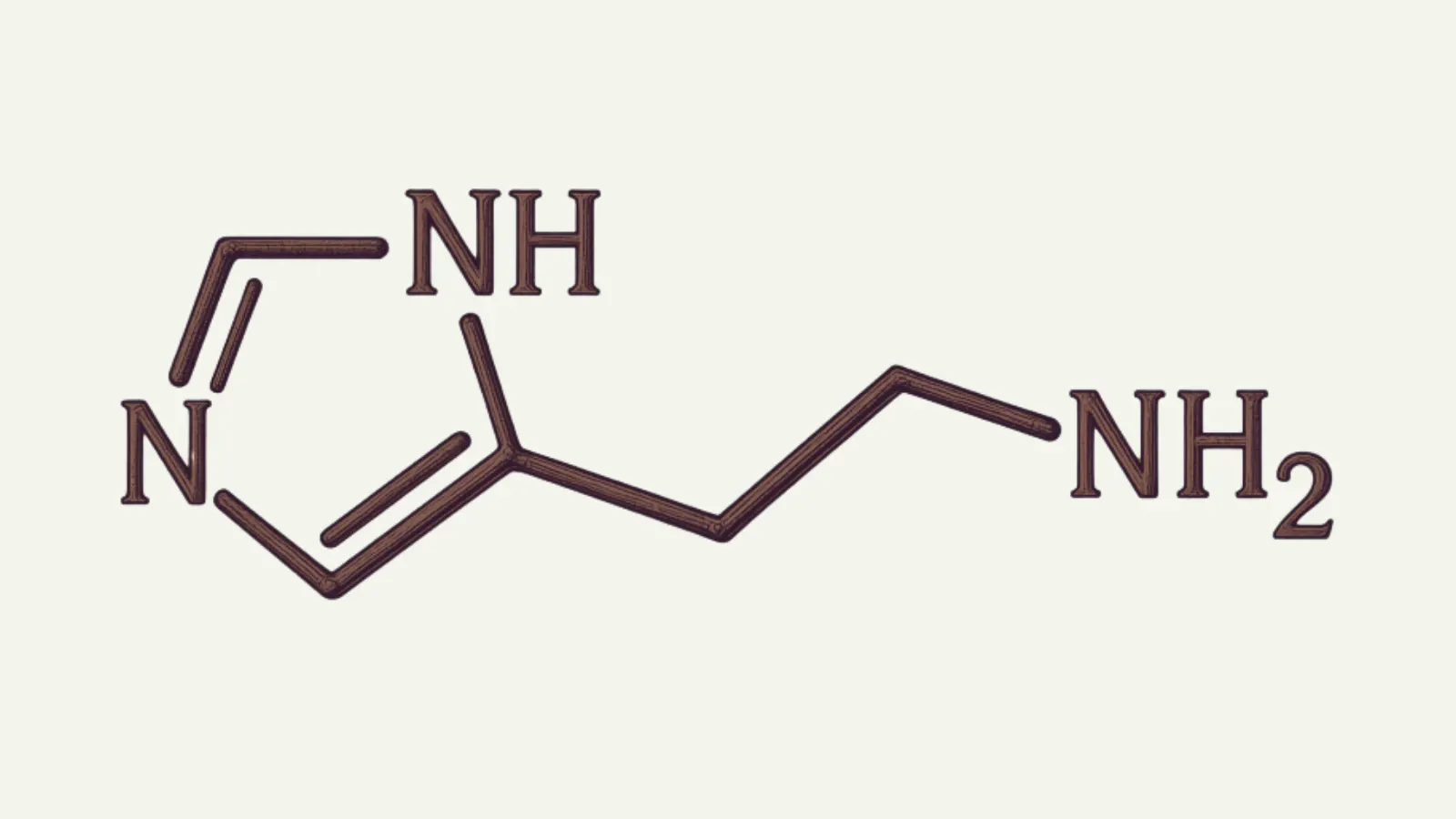
Histamine intolerance is not an allergy and not a trend. Learn what actually happens in your body, why it is so hard to diagnose, and what you can do about it.
This content is for informational purposes only and does not constitute medical advice. Always consult a qualified healthcare provider before making changes to your diet or treatment. Histamine tolerance is highly individual.
Before we talk about intolerance, it helps to understand what histamine actually is, because it is not a bad thing. It is a chemical your body makes and needs.
Histamine is a molecule produced by your immune system, your gut, and several tissues throughout your body. It helps regulate your stomach acid for digestion, acts as a neurotransmitter helping nerve signals travel in your brain, plays a central role in your immune response, and helps control your sleep-wake cycle.
In short, histamine is not your enemy. It is a tool your body uses constantly, every day. The problem only starts when there is too much of it and your body cannot clear it fast enough.
Histamine intolerance is not an allergy. It is not classified as an autoimmune disease, though it can overlap with other conditions that affect immune and gut function. At its core, it is an imbalance: you have more histamine in your body than your system can break down at a given time.
It is also worth noting that histamine intolerance is often not the root problem, but a downstream effect of deeper issues like gut imbalance, chronic infections, or underlying inflammation. This distinction matters because treating only the symptoms without addressing what is driving them tends to produce limited, temporary results.
Your body has a built-in cleanup crew for histamine. The main worker is an enzyme called DAO (diamine oxidase), which breaks down histamine you consume through food before it enters your bloodstream. A second enzyme, HNMT, handles histamine that is already inside your cells.
When this system works well, you eat a tomato, your body processes the histamine in it, and nothing happens. When this system is impaired because your DAO levels are low, your gut is inflamed, or you are consuming more histamine than your body can process, histamine accumulates. Once it builds up past a certain threshold, your body starts reacting.
That reaction looks different for everyone. Some people get headaches. Others get skin rashes, digestive pain, heart palpitations, anxiety, or congestion. The wide variety of symptoms is one of the reasons histamine intolerance is so hard to pin down.
This is where most people get confused, and understandably so, because both conditions can cause reactions after eating.
The key difference comes down to mechanism and threshold.
In a true food allergy, your immune system misidentifies a specific protein as a threat. Even a tiny amount triggers an immune response, sometimes severe and immediate. The reaction is consistent: the same food, every time, causes the same response.
In histamine intolerance, there is no immune system malfunction. Instead, it is a matter of quantity and accumulation. You might tolerate a small amount of a high-histamine food just fine, but combine it with two or three other high-histamine foods in the same meal, add a stressful week that is affecting your gut, and suddenly you react.
Think of it like a bucket. Your body can handle histamine up to a certain level, your bucket's capacity. Once the bucket overflows, symptoms appear. The next day, your bucket might be emptier, and the same meal causes no reaction. This inconsistency is frustrating, but it makes complete sense once you understand the threshold concept.
This is the part that frustrates patients most, and rightly so. Many people spend years getting tested for everything else before histamine intolerance even comes up as a possibility.
There is no simple, reliable diagnostic test. Blood tests for DAO levels exist, but they do not always reflect what is happening in your gut. A low DAO level supports a diagnosis, but a normal level does not rule it out.
The symptoms also mimic dozens of other conditions: irritable bowel syndrome, migraines, chronic hives, anxiety, rosacea, asthma. Doctors often treat the symptoms without investigating the underlying histamine connection.
The reactions are also inconsistent. Because of the bucket effect, you do not always react to the same food. This makes it hard to identify patterns without careful, systematic tracking.
The most reliable diagnostic approach currently is a structured low-histamine elimination diet combined with careful symptom tracking and gradual reintroduction of foods. This is considered the most practical clinical approach and the one most recognized by practitioners familiar with the condition.
Histamine intolerance can affect anyone, but some factors make it more likely.
Gut health. The gut lining is where DAO is produced. Anything that damages the gut, including chronic inflammation, celiac disease, irritable bowel syndrome, or certain medications, can reduce DAO production.
Estrogen levels. Estrogen stimulates histamine release and also inhibits DAO. This may help explain why symptoms often worsen around menstruation, during pregnancy, or at perimenopause, and why histamine intolerance appears to be diagnosed more frequently in women, though research on this is still evolving.
Genetics. Some people are born with reduced DAO activity due to genetic variants. They may have had low tolerance for certain foods their whole life without knowing why.
Diet and lifestyle. A diet consistently high in fermented foods, alcohol, aged cheeses, processed meats, and certain fruits and vegetables can contribute to symptoms, especially when underlying factors are already present.
Medications. Some common medications block DAO or release histamine directly, including certain antibiotics, NSAIDs, antidepressants, and contrast agents used in medical imaging.
The good news is that histamine intolerance is manageable. Most people see significant improvement with the right combination of approaches:
But food and gut health are not the whole picture. Environmental factors like mold exposure, chemical sensitivities, and poor air quality can increase your body's total histamine burden independently of what you eat. Emotional stress and nervous system dysregulation are also known to affect histamine release and DAO function. These factors do not always get mentioned, but they often make the difference between partial improvement and real recovery.
The key word is personal. Because histamine intolerance is a threshold condition, what works for someone else may not work for you. If you are struggling to connect your symptoms with specific foods or patterns, structured tracking can make a significant difference. It turns vague reactions into data you can actually work with, and is often more informative than any generic elimination protocol.
If you are struggling to connect your symptoms with specific foods or triggers, structured tracking can make a significant difference. MyHistaMap helps you log meals, symptoms, and reactions so you can work with your own data instead of generic protocols.
Start tracking with MyHistaMapNo. A food allergy involves an immune system response to a specific protein and can be triggered by even a tiny amount. Histamine intolerance is a threshold condition. It depends on how much histamine accumulates in your body at any given time, not on a specific immune reaction.
Symptoms vary widely between individuals. Common experiences include headaches, skin flushing or hives, nasal congestion, digestive discomfort, heart palpitations, and fatigue. The variety of symptoms is one reason the condition is often misidentified.
Several tests exist, though none is fully conclusive on its own. A DAO enzyme activity test (blood test) can indicate reduced enzyme function, and histamine plasma levels can also be measured, though both require careful interpretation. In practice, the most reliable diagnostic approach remains a structured low-histamine elimination diet followed by gradual reintroduction, combined with systematic symptom tracking. A healthcare provider familiar with the condition can help determine which tests are appropriate and how to interpret the results together.
The most common underlying factor is reduced DAO enzyme activity, which can result from gut inflammation, genetics, certain medications, or hormonal shifts. Environmental factors and chronic stress can also contribute to the overall histamine load. In many cases, histamine intolerance is a downstream effect of a deeper imbalance rather than the root problem itself.
For many people, symptoms improve significantly and sometimes resolve when the underlying causes are addressed, particularly gut health. It is less about a permanent cure and more about reducing your overall histamine burden and supporting your body's ability to process it.
At MyHistaMap we curate information from peer reviewed research and recognized medical sources. This content is a reference tool, not a medical prescription.