This content is for informational purposes only and does not constitute medical advice. Always consult a qualified healthcare provider before making dietary changes. Histamine tolerance is highly individual.
This information applies to histamine intolerance, DAO deficiency, and MCAS only. If you have a confirmed food allergy, this content does not apply to you. Food allergies involve the immune system and can be life-threatening. Please consult your allergist.
Is Black tea a trigger for histamine intolerance?
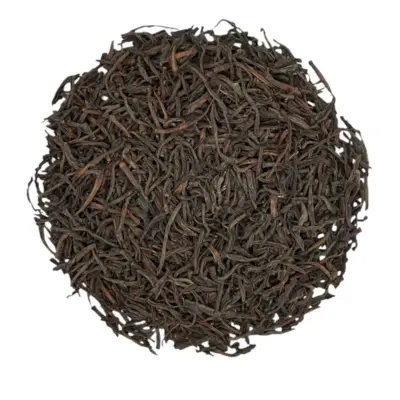
Black tea scores a 2 out of 3 on the SIGHI Food Compatibility List, placing it in the Moderate category. It may also potentially slow histamine breakdown by affecting DAO enzyme activity.
Black tea & Histamine, what the evidence says
Black tea does not naturally contain high levels of pre-formed histamine, but it is frequently classified as a possible DAO inhibitor in histamine intolerance resources. Compounds found in fermented tea leaves, including polyphenols and alkaloids such as caffeine, theophylline, and theobromine, have been suggested to affect diamine oxidase (DAO) activity, potentially making it harder for the body to break down histamine from other foods. While this effect is not fully confirmed by laboratory studies on black tea specifically, many people with histamine intolerance report noticing a pattern with it.
Black tea goes through an oxidation stage during production, and other biogenic amines may develop along the way. It also contains naturally occurring salicylates and oxalates, which can be relevant for some sensitive individuals. For people with MCAS or broader sensitivities, the combination of possible DAO effects, salicylate and oxalate content, and caffeine may make black tea a beverage that requires personal evaluation.
Does preparation change the risk?
Steeping time, temperature, and added ingredients all influence how much of the potentially problematic compounds get extracted. Shorter steeping and simpler preparations are generally preferable.
| Form | Risk Level | Notes |
|---|---|---|
| Hot brewed black tea | High | Maximum extraction of DAO inhibitors and salicylates |
| Iced tea (commercial) | High | Often contains citric acid, preservatives, and added sugars |
| Decaf black tea | Moderate | Lower caffeine, but DAO inhibition from polyphenols may remain |
| Strong / Long steep | High | Longer steeping increases oxalate and tannin concentration |
| Earl Grey / Flavored | High | Bergamot and citrus oils may act as additional histamine liberators |
Note: Risk levels are based on clinical observations and patient reports, not standardized histamine measurements. Individual tolerance varies.
A food score is a reference, not a verdict.
Histamine intolerance is highly individual. A food that triggers symptoms in one person may be tolerated by another, even within the same category.
Strict elimination may help reduce symptoms initially, but long-term progress often depends on gradual reintroduction and pattern recognition. The goal is not to remove more foods over time, but to understand your personal tolerance and expand your diet when possible.
Tracking symptoms, portions, and context such as stress or timing can provide insights that generalized food lists cannot. This is where informed decisions replace fear-based restriction.
How to test your tolerance
 Mind the timing.
If you choose to drink black tea, having it away from protein-rich meals may help minimize any impact on digestive DAO activity.
 Tannin management.
Avoid squeezing the tea bag. Squeezing releases more tannins and oxalates, increasing the load of the drink.
 Consider rooibos instead.
If you enjoy the ritual of tea, rooibos may be a more suitable alternative. It lacks the caffeine and specific alkaloids associated with DAO inhibition.
 Oxalate sensitivity.
If you have a history of kidney stones or joint discomfort, the oxalate content in black tea is an additional reason to approach it carefully.
 Watch for black tea extract.
This is a common ingredient in energy drinks, flavored waters, and some natural supplements. Check labels carefully.
 Track it yourself.
Log steeping time, quantity, and any symptoms you notice in MyHistaMap. Over time, this helps you understand your personal response pattern to black tea.
Common questions about Black tea and histamine
Is black tea a histamine liberator?
Not in the same way as some other foods, but its caffeine content may stimulate the nervous system and could contribute to mast cell activity in sensitive people.
Does adding milk to black tea help?
Adding milk can bind some of the tannins and oxalates, but it doesn't address the tea's potential DAO-inhibiting properties.
Why do I feel better right after drinking black tea?
One theory is that caffeine's stimulant effect masks symptoms briefly, and that any DAO-inhibiting effect only shows up later. This isn't firmly established, and it's worth tracking your own timeline rather than assuming it applies to you.
Can I drink green tea instead?
Green tea is unfermented and generally considered a lower-risk option. It still contains caffeine and some polyphenols, but tends to be better tolerated than black tea by sensitive people.
Some people find these options helpful
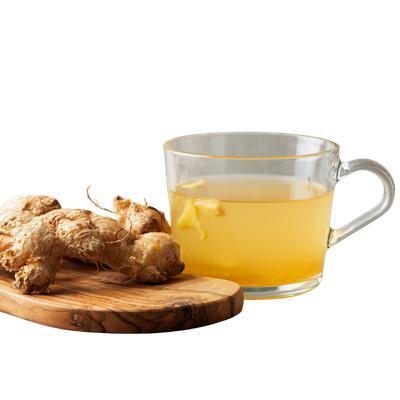
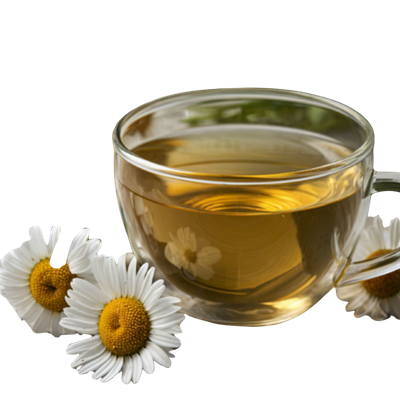
Supplements are optional tools, not a solution. Personal tracking and identifying your individual triggers remains the priority.


Where this information comes from
At MyHistaMap we curate information from peer reviewed research and recognized medical sources. This guide is a reference tool, not a medical prescription. Always track your own reactions and consult your healthcare provider.
References
- The DAO-inhibitor classification for black tea comes from histamine intolerance food lists, including the SIGHI (Swiss Interest Group Histamine Intolerance) Food Compatibility List, which marks black tea as a DAO blocker based on clinical observation and patient-reported patterns. We were unable to locate a peer-reviewed laboratory study specifically measuring caffeine or tea polyphenols against the DAO enzyme, so this classification should be read as clinical consensus rather than lab-confirmed science.
- Charrier, Savage & Vanhanen, Oxalate content and calcium binding capacity of tea and herbal teas, Asia Pacific Journal of Clinical Nutrition, 2002: black tea contains meaningfully more soluble oxalate (4.68-5.11 mg per gram of tea leaf) than green or oolong tea (0.23-1.15 mg per gram).
- Chiang et al., Which Fruits and Vegetables Should Be Excluded from a Low-Salicylate Diet? An Analysis of Salicylic Acid in Foodstuffs in Taiwan, International Archives of Allergy and Immunology, 2018: using gas chromatography-mass spectrometry, black tea measured in the "medium" salicylate range (2.5 to 4.99 mg/kg free salicylic acid), the source for the salicylate content referenced on this page.