This content is for informational purposes only and does not constitute medical advice. Always consult a qualified healthcare provider before making dietary changes. Histamine tolerance is highly individual.
This information applies to histamine intolerance, DAO deficiency, and MCAS only. If you have a confirmed food allergy, this content does not apply to you. Food allergies involve the immune system and can be life-threatening. Please consult your allergist.
Is Citrus fruits a trigger for histamine intolerance?
Citrus fruits scores a 2 out of 3 on the SIGHI Food Compatibility List, placing it in the Moderate category. It is also classified on some reference lists as a potential histamine liberator. This reflects the reference list's classification rather than a confirmed mast-cell mechanism, since research specifically testing this hasn't provided strong support for it.
Citrus fruits & Histamine, what the evidence says
Citrus fruits aren't typically high in pre-formed histamine themselves. Some reference lists classify many of them as potential histamine liberators, meaning they're suggested to trigger the body's own mast cells to release stored histamine. As discussed on this site's orange and papaya pages, this proposed mechanism is less scientifically established than commonly presented, so this page reports it as a reference-list classification rather than a confirmed biological effect.
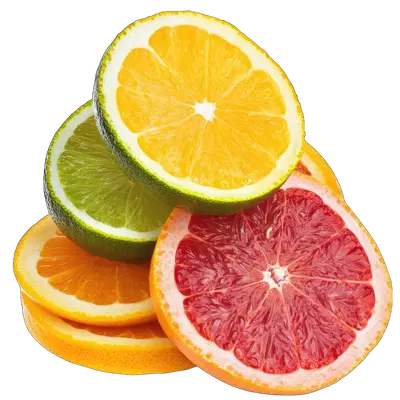
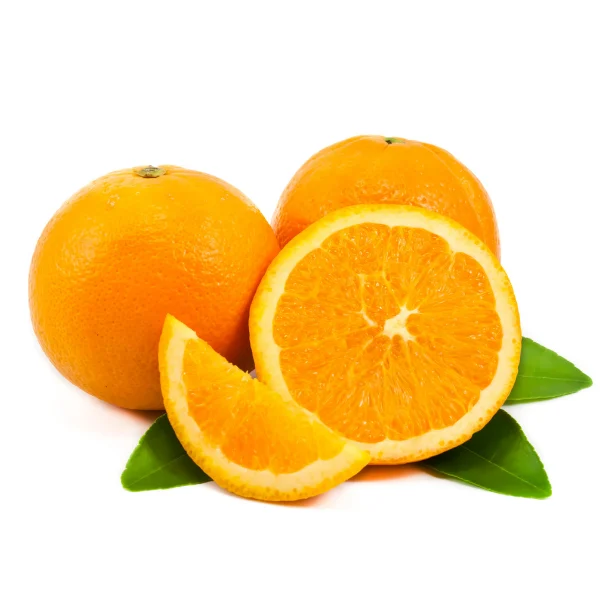
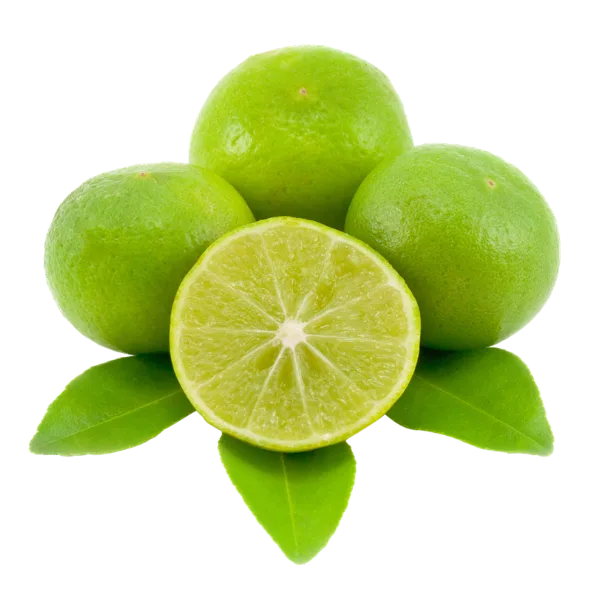
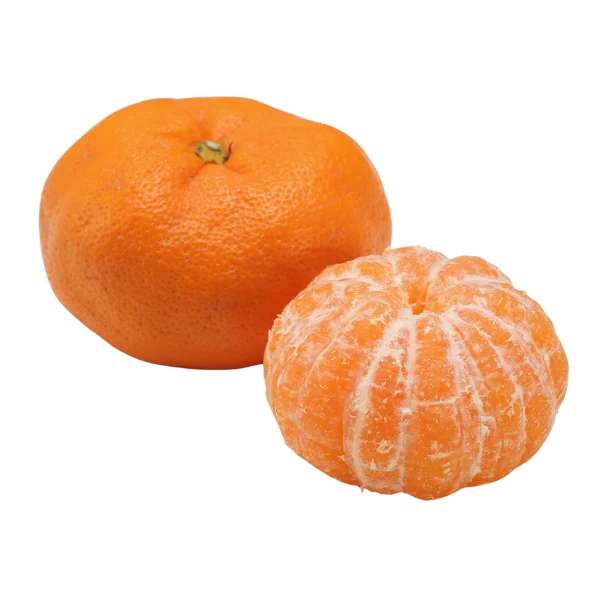
Not all citrus fruits carry the same classification. On the primary reference list this site draws from, orange and lime are both placed in the highest caution tier, while lemon and mandarin are rated somewhat lower, though still elevated. Lemon peel and orange peel or zest are rated separately from the fruit itself, generally at the same level as the corresponding fruit.
For regional or less common citrus fruits not individually covered on this site, such as kumquat or other citrus relatives, there isn't the same level of specific data available. Given how broadly citrus fruits as a group tend to carry caution across low-histamine diet resources, approaching an uncovered citrus fruit with similar caution to its better-studied relatives is a reasonable starting point, while recognizing that the exact classification for that specific fruit hasn't been established.
Some sources suggest that citrus may also interfere with DAO, the enzyme that breaks down histamine, but this specific mechanism isn't well established. Reference lists that track DAO-inhibiting foods separately from histamine liberators typically don't include citrus fruits in that category, and there isn't enough evidence to establish clinically meaningful DAO inhibition from ordinary citrus consumption.
Citrus fruits are also sometimes described as high in salicylates, but available food-composition research does not support treating all citrus fruits as uniformly high in these compounds. Fresh lemon, for example, measured relatively low in one commonly cited analysis. The amount can also differ between the edible portion and the peel or zest, so these parts shouldn't automatically be treated as nutritionally identical.
Does preparation change the risk?
Citrus fruits don't all carry the same caution level, and form matters too. Orange and lime sit at the highest caution tier together, while peel, zest, and concentrated forms add further consideration regardless of type.
| Form | Risk Level | Notes |
|---|---|---|
| Lemon / Mandarin | Moderate | Placed in a somewhat lower, though still elevated, caution tier on reference lists |
| Lime / Orange (whole fruit) | High | Both placed in the highest caution tier; lime is not automatically gentler than orange |
| Freshly squeezed juice | Moderate | Follows the same general classification as the fruit it came from |
| Zest / Peel | High | Rated separately from the fruit, generally at the same level |
| Cooked / Marmalade | Moderate | Cooking may somewhat alter compounds, though the fruit's underlying classification tends to carry over |
| Dried citrus | Moderate | Concentrated compounds and potentially added sulfites; check labels |
| Uncovered citrus (e.g. kumquat) | Moderate | No specific data available; treating it with similar caution to well-studied relatives is reasonable |
Note: Risk levels are based on clinical observations and patient reports, not standardized histamine measurements. Individual tolerance varies.
A food score is a reference, not a verdict.
Histamine intolerance is highly individual. A food that triggers symptoms in one person may be tolerated by another, even within the same category.
Strict elimination may help reduce symptoms initially, but long-term progress often depends on gradual reintroduction and pattern recognition. The goal is not to remove more foods over time, but to understand your personal tolerance and expand your diet when possible.
Tracking symptoms, portions, and context such as stress or timing can provide insights that generalized food lists cannot. This is where informed decisions replace fear-based restriction.
How to test your tolerance
 The drop method.
Instead of consuming a whole fruit, starting with a very small amount as a condiment may help assess your individual reaction more safely.
 Don't assume lime is the gentle option.
On the reference list this site draws from, lime and orange are placed in the same, highest caution tier. Lemon and mandarin sit somewhat lower.
 Peel awareness.
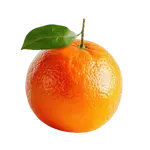
Citrus peel and zest are rated separately from the fruit and generally carry the same level of caution. Consider this before using zest in cooking.
- Vitamin C alternatives.
If seeking vitamin C, acerola or blackcurrants are food-based options discussed elsewhere on this site that don't carry the same liberator classification.
- Approach uncommon citrus fruits cautiously.
For less common citrus fruits like kumquat that aren't individually covered here, treating them with similar caution to better-studied citrus is a reasonable starting point.
 Tracking protocol.
Use MyHistaMap to log the specific citrus fruit, form, quantity, and timing of any exposure. Over time this helps identify your personal threshold and which types are better tolerated.
Common questions about Citrus fruits and histamine
Is lime better tolerated than orange?
Not according to the reference list this site draws from. Lime and orange are both placed in the same, highest caution tier, so lime shouldn't automatically be assumed to be a gentler choice.
Which citrus fruit is generally lower risk?
Lemon and mandarin tend to sit in a somewhat lower, though still elevated, caution tier compared to orange and lime, based on the reference list used on this site.
Does vitamin C in citrus help with histamine?
Citrus's classification as a potential liberator is a separate question from its vitamin C content. If you're interested in food-based vitamin C without that classification, acerola or blackcurrant are alternatives discussed elsewhere on this site.
Is citrus a confirmed histamine liberator?
It's flagged that way on some reference lists, but the underlying mast-cell mechanism hasn't been firmly established by research, similar to the situation discussed on this site's orange and papaya pages.
What about citrus fruits not covered on this site, like kumquat?
There isn't specific data for every regional citrus fruit. Given how broadly citrus as a group carries caution across reference sources, approaching an uncovered citrus fruit similarly to its better-studied relatives is a reasonable starting point.
Some people find these options helpful
Supplements are optional tools, not a solution. Personal tracking and identifying your individual triggers remains the priority.
Where this information comes from
At MyHistaMap we curate information from peer reviewed research and recognized medical sources. This guide is a reference tool, not a medical prescription. Always track your own reactions and consult your healthcare provider.
References
- SIGHI (Swiss Interest Group Histamine Intolerance) Food Compatibility List: rates lime and orange at the highest caution level (3) with a liberator note, lemon at a lower level (2) with a liberator note, mandarin at a lower level (2) without a liberator note, and lemon/orange peel and zest separately from the corresponding fruit. This is the source for the classification and variation between citrus types referenced on this page, corrected here to accurately reflect that lime is not the lowest-risk citrus fruit.
- Aromatic Components of Food as Novel Eliciting Factors of Pseudoallergic Reactions in Chronic Urticaria, Journal of Allergy and Clinical Immunology, 2002: found a suspected food pseudoallergen did not directly cause mast-cell histamine release in testing, illustrating that the general 'histamine liberator' mechanism proposed for foods, citrus included, is less scientifically settled than commonly presented. The source for this page's caution about the liberator mechanism.
- Swain, Dutton & Truswell, Salicylates in Foods, Journal of the American Dietetic Association, 1985: a comprehensive food-salicylate analysis in which fresh lemon measured relatively low in salicylate content, well below berries and dried fruit. The source for this page's caution against treating all citrus fruits as uniformly high in salicylates.