This content is for informational purposes only and does not constitute medical advice. Always consult a qualified healthcare provider before making dietary changes. Histamine tolerance is highly individual.
This information applies to histamine intolerance, DAO deficiency, and MCAS only. If you have a confirmed food allergy, this content does not apply to you. Food allergies involve the immune system and can be life-threatening. Please consult your allergist.
Is Buttermilk a trigger for histamine intolerance?
Buttermilk scores a 1 out of 3 on the SIGHI Food Compatibility List, placing it in the Low category.
Buttermilk & Histamine, what the evidence says
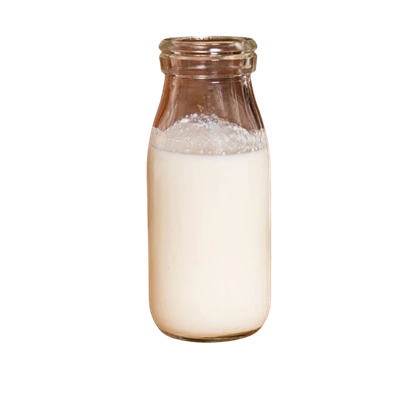
For people sensitive to histamine, how buttermilk may affect them depends on which type they're talking about. Traditional buttermilk is the liquid left behind after churning butter, while cultured buttermilk is a commercial product made by fermenting milk with bacterial cultures. Traditional buttermilk can also be made from fermented cream or milk, so the two types are not always completely different in terms of fermentation.
Fermentation has two important effects. First, it reduces lactose because the bacteria use much of the milk sugar while producing lactic acid. This means cultured buttermilk generally contains less lactose than regular milk. Fermentation can also lead to the production of histamine and other compounds, depending on the bacteria used and the conditions.
The amount and pattern of these compounds can change during storage. Research on fermented cow's and goat's milk stored in the refrigerator for ten days found that tyramine continued to increase throughout the storage period, while histamine and several other compounds were produced mainly during the first five days and then declined. This shows that histamine does not necessarily keep increasing simply because a fermented dairy product has been in the refrigerator longer.
Does preparation change the risk?
Freshness and the type of fermentation both matter for buttermilk tolerance. Since histamine and tyramine appear to follow different patterns during storage, checking the date and choosing fresher product remains the more reliable approach.
| Form | Risk Level | Notes |
|---|---|---|
| Fresh cultured | Low | Generally well tolerated when consumed well before the expiration date |
| Traditional (churned) | Low | Naturally soured during butter-making; typically consumed fresh with less extended fermentation time than commercial cultured buttermilk |
| Aged / Near expiry | Moderate | Continued bacterial activity during storage, particularly relevant for tyramine, which keeps rising over time |
| Powdered | Moderate | Possible amine buildup from industrial processing and storage conditions |
Note: Risk levels are based on clinical observations and patient reports, not standardized histamine measurements. Individual tolerance varies.
A food score is a reference, not a verdict.
Histamine intolerance is highly individual. A food that triggers symptoms in one person may be tolerated by another, even within the same category.
Strict elimination may help reduce symptoms initially, but long-term progress often depends on gradual reintroduction and pattern recognition. The goal is not to remove more foods over time, but to understand your personal tolerance and expand your diet when possible.
Tracking symptoms, portions, and context such as stress or timing can provide insights that generalized food lists cannot. This is where informed decisions replace fear-based restriction.
How to test your tolerance
 Freshness protocol.
Choose the furthest expiration date available and consume within 48 hours of opening.
 Try different sources.
If a specific brand causes a reaction, switching to a traditional churned version or a different culture may make a difference.
 Note your symptoms.
Pay attention to whether your symptoms seem more digestive or more systemic. This can help identify whether lactose or amines are the more relevant factor for you.
 Temperature stability.
Keep it well refrigerated to slow the bacterial activity that continues to produce biogenic amines even in the fridge.
 Track it yourself.
Use MyHistaMap to monitor your response over time, especially noting freshness, portion size, and how buttermilk fits into your overall daily load.
Common questions about Buttermilk and histamine
Is buttermilk safer than yogurt?
Fresh buttermilk tends to have a lower amine profile than most commercial yogurts, though individual tolerance varies and both are fermented products worth approaching with care.
Can buttermilk be used for cooking?
It can, but biogenic amines are heat-stable and remain present after baking or boiling. Cooking doesn't reduce the amine content.
Does buttermilk contain biogenic amines?
Cultured versions do, generally in lower concentrations than aged or long-fermented dairy products. Freshness plays a significant role in how much has built up, and different amines follow different patterns as the product ages.
Is buttermilk actually high in lactose?
In a typical serving, yes. Cultured buttermilk has somewhat less lactose than regular milk, since the fermenting bacteria consume some of it, but it's still consumed in large enough amounts, like a full glass, that it generally falls into the higher end of lactose intake. Smaller amounts used in cooking or baking are a different story.
Some people find these options helpful

Supplements are optional tools, not a solution. Personal tracking and identifying your individual triggers remains the priority.
Where this information comes from
At MyHistaMap we curate information from peer reviewed research and recognized medical sources. This guide is a reference tool, not a medical prescription. Always track your own reactions and consult your healthcare provider.
References
- Buttermilk, EBSCO Research Starters (citing Kurmann, Rasic & Kroger, Buttermilk, Natural or Traditional, Encyclopedia of Food Microbiology, Oxford): describes traditional buttermilk as the liquid remaining after churning butter from cream, which naturally develops lactic acid during that process, and cultured buttermilk as the commercial product made by deliberately fermenting milk. The source for this page's definitions of the two buttermilk types.
- Jui et al., Lactose bioconversion and organic acid production potential of lactic acid bacteria strains in raw and pasteurised milk, Microbiology Australia, 2026: found lactic acid bacteria fermentation reduced milk lactose by as much as 61% under laboratory conditions. The source for this page's note on fermentation lowering lactose content.
- Determination of biogenic amines by HPLC-DAD in probiotic cow's and goat's fermented milks and acceptance: tracked biogenic amines over ten days of chilled storage and found tyramine increased throughout, while histamine, putrescine, cadaverine, and spermidine were produced mainly during the first five days and then declined. The source for this page's note on differing amine patterns during storage.