This content is for informational purposes only and does not constitute medical advice. Always consult a qualified healthcare provider before making dietary changes. Histamine tolerance is highly individual.
This information applies to histamine intolerance, DAO deficiency, and MCAS only. If you have a confirmed food allergy, this content does not apply to you. Food allergies involve the immune system and can be life-threatening. Please consult your allergist.
Is Cultured butter a trigger for histamine intolerance?
Cultured butter scores a 1 out of 3 on the SIGHI Food Compatibility List, placing it in the Low category.
Cultured butter & Histamine, what the evidence says
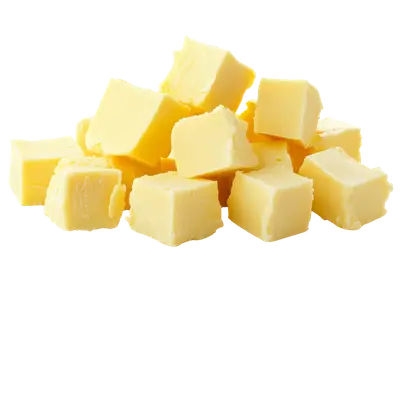
For people sensitive to histamine, cultured butter is different from regular butter because it is made by fermenting cream before it is churned. Live bacterial cultures are added to the cream, producing lactic acid and flavor compounds such as diacetyl, which give cultured butter its characteristic tangy, buttery flavor.
Fermentation can also give certain bacteria an opportunity to produce histamine and other compounds, but this depends on the particular strains and the conditions used to make the butter. Some lactic acid bacteria can produce histamine or tyramine, while others produce little or none. There is not enough direct evidence to conclude that cultured butter consistently contains more histamine than regular butter. It is therefore different from aged cheeses, where the long ripening process gives microorganisms much more time to produce and accumulate these compounds.
Butter itself contains very little protein and lactose because most of the milk's non-fat components are separated into the buttermilk during churning. This makes cultured butter quite different from fermented or aged dairy products such as yogurt and cheese. The exact amounts can still vary depending on the product and how it is made.
Does preparation change the risk?
The specific bacterial strains used and the presence of additives are the key variables for cultured butter tolerance. Ghee and regular sweet butter are generally the safer dairy fat alternatives.
| Form | Risk Level | Notes |
|---|---|---|
| Traditional cultured | Low | Fermented cream; amine content depends on the bacterial strains used, generally well tolerated |
| Regular / Sweet butter | Low | Unfermented and fresh; generally considered the safer dairy fat option |
| Ghee (clarified) | Low | Casein and lactose removed; highly stable and generally well tolerated |
| Salted cultured | Low | Salt acts as a natural preservative, helping maintain stability |
Note: Risk levels are based on clinical observations and patient reports, not standardized histamine measurements. Individual tolerance varies.
A food score is a reference, not a verdict.
Histamine intolerance is highly individual. A food that triggers symptoms in one person may be tolerated by another, even within the same category.
Strict elimination may help reduce symptoms initially, but long-term progress often depends on gradual reintroduction and pattern recognition. The goal is not to remove more foods over time, but to understand your personal tolerance and expand your diet when possible.
Tracking symptoms, portions, and context such as stress or timing can provide insights that generalized food lists cannot. This is where informed decisions replace fear-based restriction.
How to test your tolerance
 Check the label.
Ensure no natural flavors or coloring such as annatto have been added, as these can be independent triggers for sensitive individuals.
 Storage protocol.
Histamine in fats develops slowly, but rancid fat may cause oxidative stress. Keep butter tightly sealed in the refrigerator to prevent oxidation.
 Consider ghee as an alternative.
If you find you react to cultured butter, ghee provides a similar rich flavor without the fermentation step and is generally very well tolerated.
 Freshness first.
Buying cultured butter with the furthest expiration date helps ensure minimal bacterial activity after packaging.
 Tracking protocol.
Use MyHistaMap to compare your response to cultured butter versus regular butter, particularly during an elimination phase.
Common questions about Cultured butter and histamine
Why might cultured butter carry more risk than regular butter?
It depends on the specific bacterial strains used in fermentation. Some can produce trace biogenic amines like histamine or tyramine, while others show little to no capacity to do so, so cultured butter doesn't uniformly carry more histamine than regular butter.
Is cultured butter safer than margarine?
Generally yes. Margarine often contains soy oil or additives that may be more problematic for sensitive individuals than any trace amines in cultured butter.
Does cultured butter contain lactose?
Only in trace amounts. Most of the lactose is removed with the buttermilk during churning, making it generally well tolerated by those with mild lactose sensitivity.
Can I use cultured butter for high-heat cooking?
Yes, though ghee tends to be better suited for very high heat due to its higher smoke point from having the milk solids removed.
Some people find these options helpful

Supplements are optional tools, not a solution. Personal tracking and identifying your individual triggers remains the priority.

Where this information comes from
At MyHistaMap we curate information from peer reviewed research and recognized medical sources. This guide is a reference tool, not a medical prescription. Always track your own reactions and consult your healthcare provider.
References
- Bulut et al., Hydrogen-rich water can reduce the formation of biogenic amines in butter, Food Chemistry, 2022: measured tyramine, histamine, tryptamine, 2-phenylethylamine, and putrescine forming during the fermentation and storage of traditional cultured butter made with live lactic acid bacteria. The source for this page's note that fermentation can produce biogenic amines in butter under certain conditions.
- Møller et al., Histamine-forming ability of Lentilactobacillus parabuchneri in reduced salt Cheddar cheese, Food Microbiology, 2021: required deliberately inoculating cheese with a specific histamine-producing strain to see high histamine levels, since not all lactic acid bacteria carry this capacity. The source for this page's note that biogenic amine production depends on the specific bacterial strain present, not fermentation in general.