This content is for informational purposes only and does not constitute medical advice. Always consult a qualified healthcare provider before making dietary changes. Histamine tolerance is highly individual.
This information applies to histamine intolerance, DAO deficiency, and MCAS only. If you have a confirmed food allergy, this content does not apply to you. Food allergies involve the immune system and can be life-threatening. Please consult your allergist.
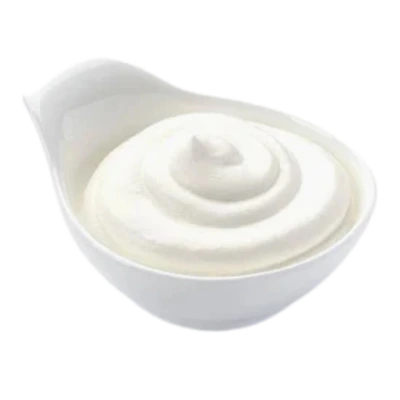
Is Cream cheeses without additives a trigger for histamine intolerance?
Cream cheeses without additives scores a 0 out of 3 on the SIGHI Food Compatibility List, placing it in the Safe category.
Cream cheeses without additives & Histamine, what the evidence says
Cream cheese is a fresh, unripened cheese made from milk and cream. Unlike aged cheeses, it does not go through a long aging process, so there is less time for histamine and other compounds to build up. A study that tested 60 retail and farmstead cheeses found that fresh cheeses generally had much lower levels of these compounds than ripened cheeses. Histamine was not detected in either of the two cream cheese samples tested. One of those samples did contain more total amines than most of the other fresh cheeses, mainly because of cadaverine, a different compound that the researchers linked to hygiene or storage conditions. This shows that a fresh cheese with little or no detectable histamine can still contain other compounds, especially when production or storage conditions are not ideal.
Lactose is a separate consideration. Because cream cheese is fresh, it retains more lactose than well-aged cheeses, where much of the lactose is removed during cheese production and fermentation. Monash lists about 2 g of lactose in an 80 g serving of cream cheese. Larger amounts provide more lactose and may cause digestive symptoms in people who have difficulty digesting it.
Some commercial cream cheeses also contain thickeners and stabilizers such as carrageenan. These are unrelated to histamine. Research has raised questions about whether carrageenan could affect intestinal inflammation, the gut barrier, or the bacteria living in the gut, particularly in animal and laboratory studies. However, evidence in humans is limited and mixed. A small randomized study in seven people with ulcerative colitis in remission found no significant differences in inflammation, intestinal permeability, or disease activity after short-term exposure to food-grade carrageenan. More research in humans is needed before its effects in people with ulcerative colitis can be considered established.
Does preparation change the risk?
Plain cream cheese with minimal ingredients is generally the safer option. Flavored and low-fat versions introduce additives that may independently affect sensitive individuals, and portion size matters for lactose content across all forms.
| Form | Risk Level | Notes |
|---|---|---|
| Plain / Original | Low | Minimal ingredients; generally well tolerated in low-histamine diets within a standard serving |
| Whipped | Low | Incorporated air does not significantly change the biochemical profile |
| Flavored (herb/garlic) | Moderate | Garlic and onion, common in savory flavors, are high in FODMAPs and can cause digestive symptoms unrelated to histamine; these versions may also carry more additives than plain |
| Low-fat / Light | Moderate | Often contains higher amounts of gums and fillers to compensate for texture |
Note: Risk levels are based on clinical observations and patient reports, not standardized histamine measurements. Individual tolerance varies.
A food score is a reference, not a verdict.
Histamine intolerance is highly individual. A food that triggers symptoms in one person may be tolerated by another, even within the same category.
Strict elimination may help reduce symptoms initially, but long-term progress often depends on gradual reintroduction and pattern recognition. The goal is not to remove more foods over time, but to understand your personal tolerance and expand your diet when possible.
Tracking symptoms, portions, and context such as stress or timing can provide insights that generalized food lists cannot. This is where informed decisions replace fear-based restriction.
How to test your tolerance
 Additive scrutiny.
Choose brands with the shortest ingredient list (milk, cream, salt, and cultures) to avoid potential mast cell triggers.
 Freshness protocol.
Consume cream cheese within 5 to 7 days of opening to prevent the growth of surface molds that could increase the amine load.
 Mind the portion for lactose.
A serving of about two tablespoons is generally low in lactose. Larger portions add up quickly, so this is more about quantity than avoiding cream cheese altogether.
 Culinary substitution.
Cream cheese can be a useful low-histamine substitute for aged spreads or sour cream in recipes.
 Tracking protocol.
Use MyHistaMap to note your response and help distinguish whether any reaction is related to lactose, additives, or another factor.
Common questions about Cream cheeses without additives and histamine
Is cream cheese safer than cottage cheese?
Both are fresh cheeses with similarly low amine profiles. The choice between them generally depends on individual fat and lactose tolerance rather than histamine content.
Does cultured cream cheese mean it has histamine?
Not necessarily. The starter cultures used for cream cheese are selected primarily for texture and acidification rather than the long-term protein breakdown that generates biogenic amines.
How much cream cheese is considered low FODMAP?
About two tablespoons (roughly 40g) is generally considered a low-lactose serving. Larger portions contain more lactose and may cause digestive symptoms in people who have trouble digesting it.
Can cream cheese be consumed during a flare-up?
Individual tolerance varies, particularly during symptomatic periods. While it is generally low in amines, the lactose content and potential additives may still contribute to overall discomfort. Introducing it cautiously and tracking your response is advisable.
Some people find these options helpful

Supplements are optional tools, not a solution. Personal tracking and identifying your individual triggers remains the priority.

Where this information comes from
At MyHistaMap we curate information from peer reviewed research and recognized medical sources. This guide is a reference tool, not a medical prescription. Always track your own reactions and consult your healthcare provider.
References
- Kandasamy et al., Quantitative Analysis of Biogenic Amines in Different Cheese Varieties Obtained from the Korean Domestic and Retail Markets, Metabolites, 2021: found fresh cheeses, including cream cheese, generally contained far fewer biogenic amines than ripened cheeses, with histamine undetected in the cream cheese samples tested; one cream cheese sample showed an elevated cadaverine level linked to hygiene and freshness during production. The source for this page's biogenic amine findings.
- Is Cheese Low FODMAP?, dietitian-reviewed summary of Monash University Low FODMAP lab testing data: reports Monash University's tested low-FODMAP serving size for cream cheese as approximately 40g (about 2 to 3 tablespoons). The source for this page's lactose/FODMAP serving guidance.
- Komisarska et al., Carrageenan as a Potential Factor of Inflammatory Bowel Diseases, Nutrients, 2024: reviews evidence, largely from animal and laboratory studies, raising questions about carrageenan's effects on intestinal inflammation, gut barrier function, and the microbiome, while noting that robust human studies are still needed. The source for this page's note on the current, limited state of human evidence on carrageenan.
- Laatikainen et al., Randomized controlled pilot study: Effect of carrageenan emulsifier on inflammation and gastrointestinal symptoms in quiescent ulcerative colitis, Food & Nutrition Research, 2023: found no significant increase in inflammatory markers, intestinal permeability, or disease activity after short-term food-grade carrageenan exposure in people with quiescent ulcerative colitis. The source for this page's note on the small human trial finding no short-term effect.