This content is for informational purposes only and does not constitute medical advice. Always consult a qualified healthcare provider before making dietary changes. Histamine tolerance is highly individual.
This information applies to histamine intolerance, DAO deficiency, and MCAS only. If you have a confirmed food allergy, this content does not apply to you. Food allergies involve the immune system and can be life-threatening. Please consult your allergist.
Is Well-matured Cheeses a trigger for histamine intolerance?
Well-matured Cheeses scores a 3 out of 3 on the SIGHI Food Compatibility List, placing it in the High category.
Well-matured Cheeses & Histamine, what the evidence says
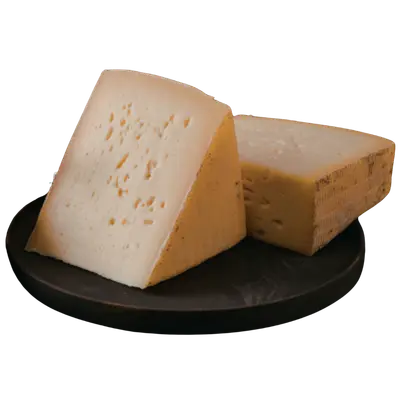
Aged cheese is one of the most commonly reported histamine triggers. It all comes down to bacteria. As cheese matures, certain bacterial strains produce enzymes that convert the amino acid histidine into histamine. A cheese aged for two years has simply had much more time for this process to occur than one aged for only a few months.
The same bacteria continue working after you buy the cheese, although much more slowly in the refrigerator than at room temperature. That's why a wedge that's been open and refrigerated for a week may contain more histamine than the same cheese when it was first opened, even if it has been kept cold the entire time.
Not every batch of the same cheese behaves the same way. Cheesemakers carefully select starter cultures to control fermentation, but additional bacteria can develop during the aging process and produce histamine as well. This may help explain why aged cheddar is so frequently reported as a trigger, even compared with other hard cheeses, although the exact reasons are still not fully understood.
Histamine is only part of the picture. Fermentation also produces other biogenic amines, including tyramine and putrescine, and research suggests these compounds may amplify histamine's effects in the body. This could help explain why aged cheese sometimes causes stronger reactions than its histamine content alone would predict.
Does preparation change the risk?
How long a cheese ages, and how it's stored after that, are the two biggest factors here.
| Form | Risk Level | Notes |
|---|---|---|
| Hard aged (Parmesan, aged cheddar) | High | Usually high in histamine; a common trigger for people with histamine intolerance |
| Semi-hard (Gouda, Emmental) | Moderate | Histamine tends to rise with age; younger versions are usually easier to tolerate |
| Soft aged (Blue cheese, Brie) | High | Fermentation pushes histamine up quickly; frequently reported as a trigger |
| Fresh cheese (Ricotta, mozzarella) | Low | Not aged, so histamine stays low for most people |
| Processed cheese | Moderate | Heat-treated, but may still contain histamine and additives depending on the blend |
Note: Risk levels are based on clinical observations and patient reports, not standardized histamine measurements. Individual tolerance varies.
A food score is a reference, not a verdict.
Histamine intolerance is highly individual. A food that triggers symptoms in one person may be tolerated by another, even within the same category.
Strict elimination may help reduce symptoms initially, but long-term progress often depends on gradual reintroduction and pattern recognition. The goal is not to remove more foods over time, but to understand your personal tolerance and expand your diet when possible.
Tracking symptoms, portions, and context such as stress or timing can provide insights that generalized food lists cannot. This is where informed decisions replace fear-based restriction.
How to test your tolerance
 Freshness matters most.
If you're testing tolerance, go for cheese that's just been opened, not one that's been sitting in the fridge for days. Histamine builds the longer it sits.
 Don't let it sit too long.
The fridge helps, but it's not a stop button. Try to finish aged cheese within a day or two of opening rather than letting it sit for the week.
 Start small.
If you're highly sensitive, a sliver is plenty to start. Wait 24 to 48 hours before trying more.
 Watch what you pair it with.
Wine, fermented foods, and other high-histamine items add up fast. Cheese alone might be fine, but combined with other triggers it can push you over your threshold.
- Start with fresh cheese instead.
Ricotta and mozzarella are usually easier on histamine intolerance than aged varieties, and they're a good starting point if you're testing how dairy affects you.
 Log what you notice.
Cheese type, freshness, portion size, and timing of symptoms all help build the picture. Patterns show up faster once you're logging them in MyHistaMap.
Common questions about Well-matured Cheeses and histamine
Is aged cheese high in histamine?
Yes. Aged cheese is one of the most reported triggers in histamine intolerance guidelines. Fermentation and aging give bacteria time to produce histamine, and the longer that process goes, the more there tends to be.
Why does cheese trigger histamine symptoms?
Bacteria break down histidine, an amino acid in milk, into histamine as the cheese ages. The longer it ages, the more histamine tends to build up.
Is fresh cheese better tolerated than aged cheese?
Usually, yes. Ricotta and mozzarella are typically much lower in histamine, and some people who react to aged cheese can still tolerate these in small amounts.
Can I eat aged cheese with histamine intolerance?
Some people manage small amounts of certain cheeses. It's still one of the most commonly reported triggers though, so it's worth testing carefully and tracking how you feel. Many people choose to skip it during flares.
Some people find these options helpful


Supplements are optional tools, not a solution. Personal tracking and identifying your individual triggers remains the priority.
Where this information comes from
At MyHistaMap we curate information from peer reviewed research and recognized medical sources. This guide is a reference tool, not a medical prescription. Always track your own reactions and consult your healthcare provider.
References
- Histamine in Cheese, UK Food Standards Agency (Advisory Committee on the Microbiological Safety of Food): histamine poisoning incidents reported to the FSA since 2001 were largely tied to mature cheddar cheese, and the reason cheddar specifically stands out is unclear, though children appear particularly sensitive to high histamine levels.
- A Comprehensive Review on the Biogenic Amines in Cheeses: Their Origin, Chemical Characteristics, Hazard and Reduction Strategies, Foods (MDPI), 2024: biogenic amine formation in cheese comes from a mix of starter cultures, contaminant bacteria, and naturally occurring (autochthonous) bacteria, explaining why the same cheese type can vary significantly between batches and producers.