This content is for informational purposes only and does not constitute medical advice. Always consult a qualified healthcare provider before making dietary changes. Histamine tolerance is highly individual.
This information applies to histamine intolerance, DAO deficiency, and MCAS only. If you have a confirmed food allergy, this content does not apply to you. Food allergies involve the immune system and can be life-threatening. Please consult your allergist.
Is Milk powder a trigger for histamine intolerance?
Milk powder scores a 1 out of 3 on the SIGHI Food Compatibility List, placing it in the Low category.
Milk powder & Histamine, what the evidence says
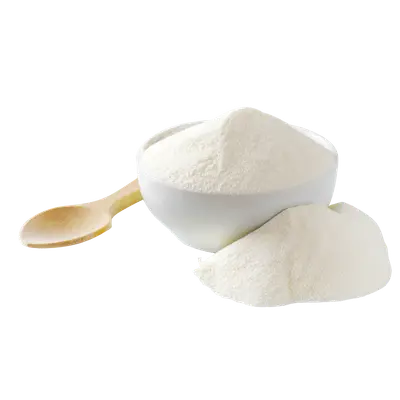
Milk powder isn't automatically higher in histamine just because it's dried, but tests on store-bought products have found it can carry more than fresh milk. One study found that low-fat milk powder had about twice the histamine of pasteurized milk. The reason likely isn't the drying process itself, but what happens to the milk before it's dried. If the raw milk sits around or isn't handled quickly, bacteria get time to turn histidine (an amino acid in milk) into histamine, and drying doesn't remove that histamine once it's there. After drying, the powder has very little moisture left, so bacteria can't grow much, which is part of why it stays good on the shelf for so long. But once you mix it back with water, it behaves like regular milk again, so histamine can build up if it sits out too long before you drink it.
For most people, this small difference from fresh milk won't matter much. But if your DAO (diamine oxidase, the enzyme that breaks down histamine) is already running low, it can add to your overall histamine load, especially alongside other histamine-containing foods in the same meal.
Milk powder also packs more lactose into each serving than fresh milk does. Lactose intolerance and histamine intolerance often show up together, and one reason may be that DAO and lactase, the enzyme that breaks down lactose, are both made in the lining of the small intestine. If that lining is damaged, both enzymes can drop at the same time. So someone who already struggles to digest lactose may find a concentrated source like reconstituted milk powder harder on the stomach than the same amount of lactose spread across a bigger glass of fresh milk.
Does preparation change the risk?
The type of milk powder and how it's stored after opening can meaningfully influence both histamine and lactose load.
| Form | Risk Level | Notes |
|---|---|---|
| Skimmed milk powder | Moderate | Lower fat, but highest concentration of lactose per gram |
| Whole milk powder | Moderate | Similar histamine profile to skimmed; the added fat can oxidize over long storage |
| Lactose-free powder | Moderate | Doesn't change the histamine content, but removes the lactose overlap that can compound symptoms for people with both sensitivities |
| Whey protein powder | High | Often includes additives or flavorings that may act as triggers; not well studied as a histamine source on its own |
| Goat milk powder | Moderate | Protein structure differs slightly and some people find it easier to digest, but it sits in a similar range to cow milk powder |
Note: Risk levels are based on clinical observations and patient reports, not standardized histamine measurements. Individual tolerance varies.
A food score is a reference, not a verdict.
Histamine intolerance is highly individual. A food that triggers symptoms in one person may be tolerated by another, even within the same category.
Strict elimination may help reduce symptoms initially, but long-term progress often depends on gradual reintroduction and pattern recognition. The goal is not to remove more foods over time, but to understand your personal tolerance and expand your diet when possible.
Tracking symptoms, portions, and context such as stress or timing can provide insights that generalized food lists cannot. This is where informed decisions replace fear-based restriction.
How to test your tolerance
 Check the expiration date.
Amines can build up over time, so choosing the freshest package available and using it up promptly once opened is generally a good idea.
 Store in airtight containers.
Exposure to oxygen can promote the degradation of proteins and fats. Keeping the powder in a cool, dark, well-sealed container may help.
 Test for lactose synergy.
If you react to milk powder but not to fresh milk, the issue may be more related to the concentrated lactose load than to histamine itself.
 Avoid instant additives.
Some powders contain soy lecithin or anti-caking agents. Checking for a 100% dairy powder may help you avoid secondary triggers.
 Reconstitute with filtered water.
Some people find that chlorine in tap water affects gut comfort, so using filtered water may be worth considering.
 Tracking protocol.
Track your response carefully. Note the form, quantity, and timing. Look for patterns across multiple trials using the MyHistaMap app.
Common questions about Milk powder and histamine
Why is fresh milk considered lower-risk than milk powder?
It's less about the powder itself and more about how the raw milk was handled before it was dried. One retail study found milk powder had roughly double the histamine of pasteurized milk, likely from bacterial activity in the raw milk before drying rather than from the drying process itself. Once dry, the powder's low moisture actually helps keep further buildup in check.
Is malted milk powder the same?
Not quite, but not for the reason you'd expect. Malted milk contains barley and wheat malt, which adds gluten, something plain milk powder doesn't have. There isn't solid evidence that the malt itself adds meaningfully more histamine, so the bigger practical difference for most people is the added gluten, not a confirmed higher histamine load.
Can I use milk powder in baking?
For many people, yes. The small amount typically used in a recipe is often well below their reaction threshold.
Does organic milk powder have less histamine?
Not necessarily. Histamine levels depend largely on how quickly the raw milk was processed and how the product was handled and stored, rather than on organic certification.
Some people find these options helpful
Supplements are optional tools, not a solution. Personal tracking and identifying your individual triggers remains the priority.
Where this information comes from
At MyHistaMap we curate information from peer reviewed research and recognized medical sources. This guide is a reference tool, not a medical prescription. Always track your own reactions and consult your healthcare provider.
References
- Czerniejewska-Surma & Żochowska, The Histamine Level in Selected Milk Products Available Through a Retail Network, Food. Science. Technology. Quality, 2003: measured histamine in retail dairy products and found low-fat milk powder had the highest level of all products tested (3.18 mg/100g), roughly double that of pasteurized cow milk (1.55 mg/100g).
- Schnedl et al., Serum Diamine Oxidase Values, Indicating Histamine Intolerance, Influence Lactose Tolerance Breath Test Results, Nutrients, 2022: found that patients with low serum DAO activity (indicating histamine intolerance) showed different lactose breath test patterns than those with normal DAO, supporting a functional link between DAO and lactase at the intestinal lining.
- Claims that malted milk powder and whey protein powder carry meaningfully more histamine are common in histamine intolerance community sources, but we could not locate a peer-reviewed study measuring this directly in either product. A separate study on barley and malt found that histamine detected in malted barley came from microbial contamination during processing rather than from the malt itself, so malted milk's clearest documented concern for histamine-sensitive readers is its added gluten, not a confirmed higher histamine content. The FAQ and table notes above have been worded to reflect that uncertainty.