This content is for informational purposes only and does not constitute medical advice. Always consult a qualified healthcare provider before making dietary changes. Histamine tolerance is highly individual.
This information applies to histamine intolerance, DAO deficiency, and MCAS only. If you have a confirmed food allergy, this content does not apply to you. Food allergies involve the immune system and can be life-threatening. Please consult your allergist.
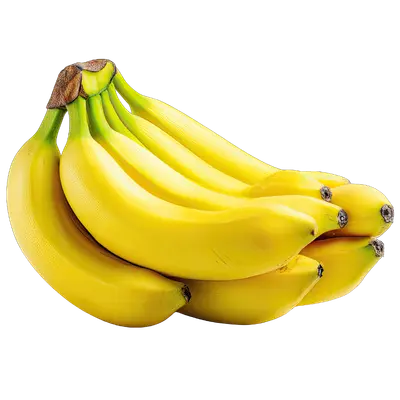
Is Banana a trigger for histamine intolerance?
Banana scores a 2 out of 3 on the SIGHI Food Compatibility List, placing it in the Moderate category.
Banana & Histamine, what the evidence says
Bananas aren't naturally high in histamine, even when ripe. What matters more is putrescine, another biogenic amine that increases as bananas ripen. Putrescine can compete with histamine for DAO (diamine oxidase), the enzyme responsible for breaking down both compounds. Laboratory research measuring this directly found that putrescine reduced histamine degradation by DAO by roughly 35% when present at four times the concentration of histamine, and by roughly 70% at twenty times the concentration, although this specific experiment wasn't conducted using banana itself. As putrescine levels rise, it is possible that more DAO activity could be occupied by putrescine, potentially leaving less capacity to metabolize histamine from other foods eaten at the same time.
This differs from what older histamine intolerance lists often suggested. Bananas also contain other biogenic amines, including tyramine, dopamine, and serotonin, but studies following bananas through ripening have found that most of these compounds actually decrease as the fruit matures. Putrescine is the main exception, increasing as the banana ripens.
Taken together, these findings provide a plausible explanation for why banana ripeness might matter to some people with histamine intolerance, without requiring the assumption that ripe bananas contain more histamine or directly act as histamine liberators. However, the DAO competition mechanism has been demonstrated experimentally rather than directly established in people eating bananas.
Does preparation change the risk?
Ripeness is the most important factor for banana tolerance. Putrescine content rises as the fruit ripens, making the stage of ripeness more relevant than preparation method.
| Form | Risk Level | Notes |
|---|---|---|
| Green / Barely ripe | Moderate | Lower in putrescine; some people tolerate small amounts |
| Yellow (Ripe) | High | Putrescine content rises; frequently reported as a trigger |
| Overripe (Brown spots) | High | Highest putrescine levels of any stage |
| Dried banana | High | Usually made from very ripe fruit, so amines are already concentrated; some commercial products may also use sulfite treatment, so checking the label is worthwhile |
| Cooked / Baked | High | Baking usually calls for very ripe bananas, and cooking doesn't reduce the amines already there |
Note: Risk levels are based on clinical observations and patient reports, not standardized histamine measurements. Individual tolerance varies.
A food score is a reference, not a verdict.
Histamine intolerance is highly individual. A food that triggers symptoms in one person may be tolerated by another, even within the same category.
Strict elimination may help reduce symptoms initially, but long-term progress often depends on gradual reintroduction and pattern recognition. The goal is not to remove more foods over time, but to understand your personal tolerance and expand your diet when possible.
Tracking symptoms, portions, and context such as stress or timing can provide insights that generalized food lists cannot. This is where informed decisions replace fear-based restriction.
How to test your tolerance
 Prioritize underripe fruit.
If testing your tolerance, choose bananas that are firm and still have a green tint at the ends. Putrescine levels tend to be lower at this stage.
 Test in isolation.
Start with a very small portion (2-3 slices) to observe the specific trigger effect without other variables influencing your response.
- Avoid overripe bananas in smoothies.
Soft, brown-spotted bananas carry the most putrescine. This is one of the more common hidden triggers people miss.
 Freeze for better control.
If you find a ripeness level you tolerate, peel and freeze the banana immediately to slow further putrescine buildup.
 Check dried banana or banana chips for sulfites.
Some commercial products use sulfur dioxide during drying. Look for "sulfur dioxide," "sulfites," or products specifically labeled sulfite-free.
 Note the bucket effect.
Because putrescine may occupy some of your DAO capacity, bananas are often better tolerated on days when your overall histamine and amine load is already low.
Common questions about Banana and histamine
Is banana high in histamine?
No, not really. The concern with bananas is a different compound called putrescine, not histamine itself.
Why do bananas trigger histamine symptoms?
As bananas ripen, they build up a compound called putrescine, which has been shown in laboratory research to compete with histamine for DAO, the enzyme your body relies on to clear histamine. This could mean less DAO capacity is available for histamine from other foods, though this hasn't been directly confirmed in people eating bananas specifically.
Are green bananas safer to eat?
Usually, yes. Putrescine levels are lower before a banana fully ripens, so a firmer banana is generally easier to tolerate than a very ripe or spotted one.
Can I use banana in baking?
Since baking usually calls for very ripe bananas, it often means a higher-putrescine ingredient that may be poorly tolerated by sensitive people, even if plain, less-ripe banana seems manageable.
Some people find these options helpful
Supplements are optional tools, not a solution. Personal tracking and identifying your individual triggers remains the priority.
Where this information comes from
At MyHistaMap we curate information from peer reviewed research and recognized medical sources. This guide is a reference tool, not a medical prescription. Always track your own reactions and consult your healthcare provider.
References
- Borges et al., Bioactive amines changes during the ripening and thermal processes of bananas and plantains, 2019: across 20 banana and plantain genotypes, tyramine, histamine, dopamine, serotonin, spermidine, and spermine decreased during ripening in the pulp, while putrescine increased. The source for the ripening and amine findings referenced on this page.
- The Rate of Histamine Degradation by Diamine Oxidase Is Compromised by Other Biogenic Amines, Frontiers in Nutrition, 2022: found putrescine reduced histamine degradation by DAO by approximately 35% at a 4-fold higher concentration than histamine, and by approximately 70% at a 20-fold higher concentration, in vitro. The source for the DAO competition mechanism referenced on this page.
- Reports from dried fruit producers marketing sulfite-free banana products indicate that sulfur dioxide treatment is used by some conventional dried banana and banana chip manufacturers. The source for this page's note on checking dried banana products for sulfites.