This content is for informational purposes only and does not constitute medical advice. Always consult a qualified healthcare provider before making dietary changes. Histamine tolerance is highly individual.
This information applies to histamine intolerance, DAO deficiency, and MCAS only. If you have a confirmed food allergy, this content does not apply to you. Food allergies involve the immune system and can be life-threatening. Please consult your allergist.
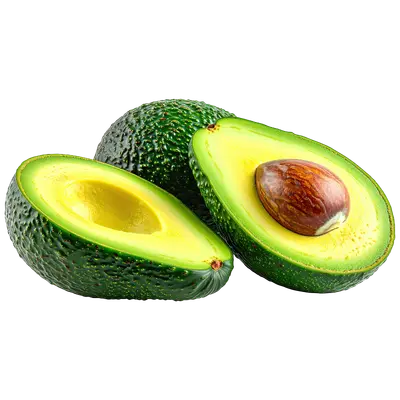
Is Avocado a trigger for histamine intolerance?
Avocado scores a 2 out of 3 on the SIGHI Food Compatibility List, placing it in the Moderate category. It is also classified on some reference lists as a potential histamine liberator. This reflects the reference list's classification rather than a confirmed mast-cell mechanism, since research specifically testing this hasn't provided strong support for it.
Avocado & Histamine, what the evidence says
Avocado isn't considered high in histamine on its own. Some low-histamine diet reference systems, however, place it in a higher-caution category and flag it as a potential "histamine liberator." In this context, the term refers to the idea that certain foods may trigger the body's mast cells to release histamine rather than simply containing histamine themselves. This proposed mechanism is much less scientifically established than the widespread use of the term suggests, and research specifically testing direct, non-allergic mast-cell activation by foods has not provided strong support for it.
Ripeness may also play a role, and many people in the histamine intolerance community report tolerating a firm, just-ripe avocado better than one that has become very soft. However, we weren't able to locate a peer-reviewed study directly measuring histamine in avocado during ripening. This means that a difference in tolerance between firm and very ripe avocado has not been established as a result of changes in histamine.
Individual responses still vary. Some people notice a clear difference between a firm and a very ripe avocado, while others tolerate both equally well. Whether this difference is related to ripening itself, individual sensitivity, or other compounds in the fruit has not been established.
Does preparation change the risk?
Ripeness and preparation can meaningfully change how avocado is tolerated. The stage of ripeness at the time you eat it may be one of the more relevant factors for sensitive people.
| Form | Risk Level | Notes |
|---|---|---|
| Slightly unripe | Low | Usually better tolerated by sensitive people |
| Ripe | Moderate | Most commonly consumed stage; tolerance varies |
| Very ripe (soft/overripe) | High | More frequently reported as a trigger by sensitive individuals, though the underlying reason for this pattern in avocado specifically hasn't been confirmed |
| Guacamole | High | Often combined with other potential triggers like lime, tomato, or onion, which can add their own effects |
Note: Risk levels are based on clinical observations and patient reports, not standardized histamine measurements. Individual tolerance varies.
A food score is a reference, not a verdict.
Histamine intolerance is highly individual. A food that triggers symptoms in one person may be tolerated by another, even within the same category.
Strict elimination may help reduce symptoms initially, but long-term progress often depends on gradual reintroduction and pattern recognition. The goal is not to remove more foods over time, but to understand your personal tolerance and expand your diet when possible.
Tracking symptoms, portions, and context such as stress or timing can provide insights that generalized food lists cannot. This is where informed decisions replace fear-based restriction.
How to test your tolerance
 Choose less ripe avocado.
If you want to test your tolerance, start with a slightly firm avocado rather than a very soft or overripe one. Ripeness appears to influence how it's tolerated.
 Start with a small portion.
Begin with a few slices and wait 24 to 48 hours before increasing the amount. Portion size can affect whether a reaction occurs.
 Avoid combining with multiple triggers.
Guacamole often includes lime, onion, tomato, or cilantro, each of which may influence symptoms independently. Test plain avocado first.
 Monitor timing of symptoms.
Track reactions within a few hours and up to 24 hours after eating. Note the ripeness and quantity consumed.
 Test under stable conditions.
Avoid testing during stress, illness, or flare-ups. These can amplify reactions independently of the food itself.
 Track your response carefully.
Note the ripeness, portion size, combinations, and timing. Look for patterns across multiple trials in MyHistaMap.
Common questions about Avocado and histamine
Is avocado high in histamine?
No, avocado itself isn't considered high in histamine.
Why does avocado trigger symptoms if it's not high in histamine?
Some reference lists flag it as a potential histamine liberator, meaning it's suggested to trigger the body's own mast cells to release histamine, though this specific mechanism hasn't been firmly established by research. Ripeness, portion size, and what it's combined with can all play a role too.
Is unripe avocado better tolerated?
Some people report better tolerance with less ripe avocado. This is a commonly reported pattern within the histamine intolerance community, but we couldn't find a study directly measuring histamine or biogenic amine changes during avocado ripening specifically, so the underlying reason isn't confirmed. Individual responses still vary.
Can I eat avocado with histamine intolerance?
Some people tolerate small amounts, particularly when the avocado isn't fully ripe. Others choose to limit or avoid it. Testing carefully with tracking is the most reliable way to know where you land.
Is guacamole worse than plain avocado?
It may be. Guacamole typically includes other ingredients like lime, tomato, or onion that can independently influence symptoms. Testing plain avocado first is a good way to isolate what's actually causing a reaction.
Some people find these options helpful

Supplements are optional tools, not a solution. Personal tracking and identifying your individual triggers remains the priority.

Where this information comes from
At MyHistaMap we curate information from peer reviewed research and recognized medical sources. This guide is a reference tool, not a medical prescription. Always track your own reactions and consult your healthcare provider.
References
- SIGHI (Swiss Interest Group Histamine Intolerance) Food Compatibility List: classifies avocado with a histamine score of 2, marked both 'H' (rich in histamine/other amines) and 'L' (liberator). This is the source for the reference classification referenced on this page, reported here as the source's designation rather than a confirmed biological mechanism.
- Aromatic Components of Food as Novel Eliciting Factors of Pseudoallergic Reactions in Chronic Urticaria, Journal of Allergy and Clinical Immunology, 2002: found that a suspected food pseudoallergen (tomato extract) did not directly cause mast-cell histamine release in skin biopsy testing, illustrating that the general 'histamine liberator' mechanism proposed for various foods, avocado included, is less scientifically settled than commonly presented. The source for this page's caution about the liberator mechanism.