This content is for informational purposes only and does not constitute medical advice. Always consult a qualified healthcare provider before making dietary changes. Histamine tolerance is highly individual.
This information applies to histamine intolerance, DAO deficiency, and MCAS only. If you have a confirmed food allergy, this content does not apply to you. Food allergies involve the immune system and can be life-threatening. Please consult your allergist.
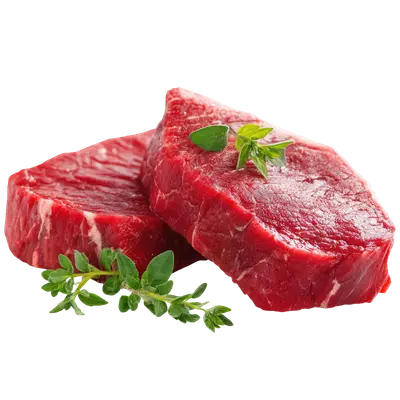
Is Beef (fresh) a trigger for histamine intolerance?
Beef (fresh) scores a 0 out of 3 on the SIGHI Food Compatibility List, placing it in the Safe category.
Beef (fresh) & Histamine, what the evidence says
Aged, cured, or improperly stored beef can carry a medication-related risk that has nothing to do with histamine intolerance directly: tyramine buildup in people taking monoamine oxidase inhibitors (MAOIs), a class of antidepressants. Tyramine is a different biogenic amine from histamine, formed through bacterial decarboxylation of an amino acid (tyrosine) during aging, curing, or spoilage. In someone taking an MAOI, the enzyme that normally breaks down tyramine is blocked, allowing it to build up and trigger a sudden, sharp spike in blood pressure known as a hypertensive crisis, sometimes called the "cheese reaction" because aged cheese is the most classically cited trigger. Aged and cured meats, including dry-aged or improperly refrigerated beef, can carry the same risk. This is a genuine medication interaction, not a histamine intolerance symptom, and it's worth knowing regardless of whether someone reacts to histamine if they're taking this type of antidepressant.
Separately, and more relevant to histamine specifically, fresh beef itself is naturally low in histamine. The beef industry, however, often uses dry or wet aging to improve tenderness and flavor. During this process, microorganisms can convert histidine from muscle proteins into histamine and other biogenic amines, and histamine levels can rise depending on aging time, temperature, and bacterial activity. Ground beef adds another variable: its much larger surface area, compared with a whole cut, is exposed to more oxygen and microorganisms, which can allow histamine and tyramine to accumulate faster. For someone with reduced DAO activity, the time elapsed between processing, storage, and the moment beef is actually eaten can therefore matter more than almost any other single factor.
One claim that doesn't hold up is the idea that beef contains meaningful amounts of plant lectins because the animal was fed grain or soy. This idea traces back to a popular diet book rather than peer-reviewed research, and we found no study measuring meaningful lectin accumulation in the muscle tissue people actually eat; lectins are proteins that would ordinarily be broken down during the animal's own digestion, long before reaching the meat itself.
Put together, beef's real considerations are timing, temperature, and processing, not what the animal was fed or the idea that plant lectins accumulate in its muscle tissue. Its histamine risk is separate from, though it shares the same broad bacterial amine-formation mechanism as, the tyramine-MAOI interaction described above.
Does preparation change the risk?
Form, aging, and storage time are what actually determine beef's risk profile, both for histamine and, separately, for tyramine in people taking MAOIs.
| Form | Risk Level | Notes |
|---|---|---|
| Fresh steak (flash-frozen shortly after processing) | Low | Minimal time for amine development; generally the safest option for both histamine and tyramine |
| Ground beef (supermarket) | High | Large surface area accelerates bacterial growth and amine accumulation; frequently reported as problematic |
| Dry-aged steak | High | Intentionally aged for weeks; histamine and tyramine both rise measurably with aging time, per controlled studies |
| Beef jerky / Cured | High | Concentrated amines, including tyramine; relevant medication risk for anyone taking an MAOI antidepressant |
| Leftover cooked beef | Moderate | Amines can build up the longer it sits in the fridge; timing matters more than the cooking method itself |
Note: Risk levels are based on clinical observations and patient reports, not standardized histamine measurements. Individual tolerance varies.
A food score is a reference, not a verdict.
Histamine intolerance is highly individual. A food that triggers symptoms in one person may be tolerated by another, even within the same category.
Strict elimination may help reduce symptoms initially, but long-term progress often depends on gradual reintroduction and pattern recognition. The goal is not to remove more foods over time, but to understand your personal tolerance and expand your diet when possible.
Tracking symptoms, portions, and context such as stress or timing can provide insights that generalized food lists cannot. This is where informed decisions replace fear-based restriction.
How to test your tolerance
 Know the medication interaction, not just histamine.
If you take an MAOI antidepressant, aged or cured beef is a genuine risk independent of histamine intolerance. Check with your prescriber about dietary tyramine limits.
 Buy flash-frozen when possible.
Suppliers that freeze meat shortly after processing limit the time available for amine buildup.
 Be cautious with butcher-counter or long-displayed meat.
Extended time at refrigerator temperature is exactly the window in which amines accumulate.
 Favor shorter, hotter cooking methods over very long, low-heat ones.
Extended low-heat cooking gives more time for bacterial activity if the meat wasn't handled well beforehand, though cooking itself doesn't destroy histamine once formed.
- Freeze leftovers promptly rather than refrigerating for days.
The sooner cooked beef is frozen, the less time amines have to accumulate.
 Track ripeness, form, and timing in MyHistaMap.
Since handling and time matter more than the animal's diet, logging these details helps identify your personal pattern.
Common questions about Beef (fresh) and histamine
Can beef cause problems for people taking antidepressants, separate from histamine intolerance?
Yes. Aged, cured, or spoiled beef can contain enough tyramine to trigger a hypertensive crisis in people taking MAOI (monoamine oxidase inhibitor) antidepressants. It's a documented drug-nutrient interaction, not a histamine symptom, so it applies whether or not beef otherwise bothers you.
Is grass-fed beef better for histamine intolerance?
Histamine levels in beef depend mainly on aging, handling, and storage time rather than what the animal ate. The feed type doesn't meaningfully change the histamine risk.
Does beef contain plant lectins if the animal was fed grain or soy?
This is a popular claim, not one supported by peer-reviewed research. We found no study measuring meaningful lectin accumulation in the muscle tissue people actually eat; lectins are proteins that would ordinarily be broken down during the animal's own digestion.
Is rare beef safer than well-done for histamine?
Cooking temperature doesn't reduce histamine that has already formed, since histamine is heat-stable. What matters is handling and timing before cooking, not how well-done the meat is served.
Some people find these options helpful

Supplements are optional tools, not a solution. Personal tracking and identifying your individual triggers remains the priority.

Where this information comes from
At MyHistaMap we curate information from peer reviewed research and recognized medical sources. This guide is a reference tool, not a medical prescription. Always track your own reactions and consult your healthcare provider.
References
- McCabe BJ, Dietary Tyramine and Other Pressor Amines in MAOI Regimens: A Review, Journal of the American Dietetic Association, 1986: classic review establishing that any food rich in aromatic amino acids, beef included, can become high in tyramine if aging, contamination, prolonged storage, or spoilage occurs, and that this can trigger a hypertensive crisis in people taking MAOI antidepressants. The source for this page's tyramine-MAOI interaction section.
- Andersen et al., Food Sources and Biomolecular Targets of Tyramine, Nutrition Reviews, 2019: compiles quantitative tyramine content data across food categories, including aged and cured meats. The source for this page's broader context on tyramine as a dietary biogenic amine distinct from histamine.
- Ribeiro et al., Dry-Aged Beef: A Global Review of Meat Quality Traits, Microbiome Dynamics, Safety, and Sustainable Strategies, Journal of Food Science, 2025: reports that in high-marble ribeyes, putrescine and cadaverine typically rise from under 5 mg/kg after 1 week to 15-25 mg/kg by 28 days, while histamine reaches 8 to 12 mg/kg over the same period. The source for this page's aging and histamine formation section.
- Fish and Fishery Products Hazards and Controls Guidance, Chapter 7: Scombrotoxin (Histamine) Formation, U.S. FDA: describes the general histidine decarboxylase mechanism and confirms histamine, once formed, is not destroyed by heat, cooking, or freezing. Written for fish, but the underlying enzyme chemistry is the same one responsible for histamine formation in aged meat.