This content is for informational purposes only and does not constitute medical advice. Always consult a qualified healthcare provider before making dietary changes. Histamine tolerance is highly individual.
This information applies to histamine intolerance, DAO deficiency, and MCAS only. If you have a confirmed food allergy, this content does not apply to you. Food allergies involve the immune system and can be life-threatening. Please consult your allergist.
Is Shrimp a trigger for histamine intolerance?
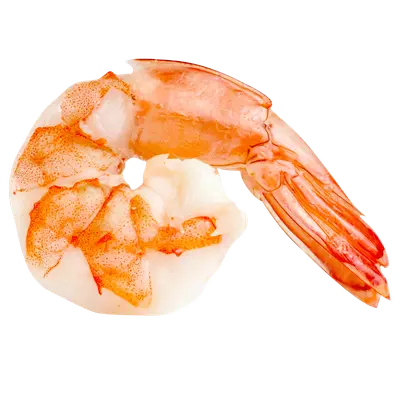
Shrimp scores a 2 out of 3 on the SIGHI Food Compatibility List, placing it in the Moderate category. It is also classified on some reference lists as a potential histamine liberator. This reflects the reference list's classification rather than a confirmed mast-cell mechanism, since research specifically testing this hasn't provided strong support for it.
Shrimp & Histamine, what the evidence says
Fresh shrimp generally contains little detectable histamine, but histamine can develop after harvest if temperature control is poor. Shrimp contains histidine, an amino acid that certain bacteria can convert into histamine. As these bacteria multiply during improper storage, histamine levels can increase. This is why freshness, rapid chilling, and maintaining the cold chain are important when handling shrimp and other seafood.
Shrimp is also traditionally classified as a histamine liberator on compatibility reference lists. This classification is separate from the amount of histamine already present in the food and refers to the possibility of triggering the body's own histamine release rather than simply supplying histamine through the food itself.
Another relevant factor is the use of preservatives. Commercial shrimp may be treated with sulfiting agents such as sodium metabisulfite to prevent melanosis, the harmless but visually unappealing black-spot discoloration that can develop on shrimp after harvest. In the United States, sulfiting agents generally must be declared when they remain in food at 10 parts per million or more when they no longer have a technical or functional effect, while sulfiting agents that continue to have a technical or functional effect must be declared regardless of the level. Sulfites can cause adverse reactions in sensitive individuals, particularly some people with asthma, through mechanisms unrelated to histamine intolerance. Checking how shrimp was processed and reading the ingredient label can therefore be useful when managing food sensitivities alongside histamine.
Does preparation change the risk?
Freshness and processing method are among the most important factors for shrimp tolerance. Histamine levels tend to rise with time and temperature after harvest.
| Form | Risk Level | Notes |
|---|---|---|
| Flash-frozen (at sea) | Moderate | Generally best tolerated; freezing quickly helps stop histamine production |
| Thawed / "Fresh" | High | Histamine levels can rise with each hour the shrimp sits on ice at the market |
| Pre-cooked / Shelled | High | Additional handling and processing time may raise the amine risk |
| Dried / Fermented shrimp | High | Tends to have concentrated amines; generally best avoided |
Note: Risk levels are based on clinical observations and patient reports, not standardized histamine measurements. Individual tolerance varies.
A food score is a reference, not a verdict.
Histamine intolerance is highly individual. A food that triggers symptoms in one person may be tolerated by another, even within the same category.
Strict elimination may help reduce symptoms initially, but long-term progress often depends on gradual reintroduction and pattern recognition. The goal is not to remove more foods over time, but to understand your personal tolerance and expand your diet when possible.
Tracking symptoms, portions, and context such as stress or timing can provide insights that generalized food lists cannot. This is where informed decisions replace fear-based restriction.
How to test your tolerance
 Buy flash-frozen when possible.
Looking for shrimp frozen directly on the boat is generally a good idea. Thawing quickly under cold water right before cooking, rather than letting it sit in the fridge, tends to work best.
 Check for sulfites.
Reading labels carefully helps. If you react to wine or dried fruits, shrimp treated with metabisulfites may be worth avoiding.
 Cook soon after thawing.
Once thawed, cooking and eating shrimp fairly quickly is a good practice. Saving leftovers isn't ideal, since histamine levels can climb during storage.
 Remove the digestive tract.
Cleaning the shrimp thoroughly can help reduce the bacterial load that contributes to amine formation.
 Start with small portions.
Because of the liberator classification, even fresh shrimp can be a trigger for some people. Testing your threshold with a couple of pieces before a full serving is a reasonable approach.
 Tracking protocol.
Log freshness, sourcing, and any symptoms using the MyHistaMap app, since these tend to vary more with shrimp than with more stable proteins.
Common questions about Shrimp and histamine
Is shrimp high in histamine?
It depends on freshness. Fresh shrimp generally contains little detectable histamine, but it's quite prone to rapid histamine buildup and is also traditionally classified as a histamine liberator.
Can I eat frozen shrimp?
Generally, yes, provided it was flash-frozen shortly after catch. This tends to be safer than buying fresh shrimp from a seafood counter.
Does cooking destroy histamine in shrimp?
Not really. Once histamine has formed due to time or temperature, cooking won't remove it.
Why do I react even to fresh shrimp?
Shrimp is traditionally classified as a histamine liberator on compatibility reference lists, meaning it's considered capable of prompting the body's own histamine release, somewhat independent of the amount present in the food itself.
Some people find these options helpful

Supplements are optional tools, not a solution. Personal tracking and identifying your individual triggers remains the priority.

Where this information comes from
At MyHistaMap we curate information from peer reviewed research and recognized medical sources. This guide is a reference tool, not a medical prescription. Always track your own reactions and consult your healthcare provider.
References
- Sec. 540.525 Scombrotoxin (Histamine)-forming Fish and Fishery Products, U.S. FDA Compliance Policy Guide, 2024: confirms histamine formation in fishery products depends on time and temperature abuse, supporting the freshness and cold-chain guidance on this page.
- Role of Marine Bacterial Contaminants in Histamine Formation in Seafood Products: A Review, PMC: describes how marine bacteria carrying histidine decarboxylase enzymes rapidly convert histidine into histamine in seafood once proper chilling is lost, supporting the freshness and cold-chain guidance on this page.
- U.S. FDA guidance on sulfiting agents in shrimp, including sodium metabisulfite use to prevent melanosis (black spot) and declaration requirements based on residual sulfite level and technical/functional effect in the finished product: confirms sulfites are used to control the harmless but visually unappealing black-spot discoloration in shrimp, and that declaration is required based on residual level and whether the sulfite retains a technical or functional effect, with sulfite sensitivity most notable among some people with asthma. The source for this page's sulfite section.