This content is for informational purposes only and does not constitute medical advice. Always consult a qualified healthcare provider before making dietary changes. Histamine tolerance is highly individual.
This information applies to histamine intolerance, DAO deficiency, and MCAS only. If you have a confirmed food allergy, this content does not apply to you. Food allergies involve the immune system and can be life-threatening. Please consult your allergist.
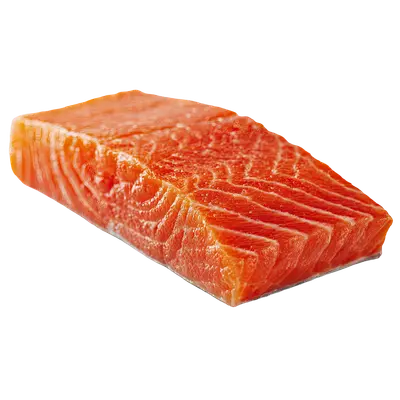
Is Fish (freshly caught or frozen) a trigger for histamine intolerance?
Fish (freshly caught or frozen) scores a 0 out of 3 on the SIGHI Food Compatibility List, placing it in the Safe category.
Fish (freshly caught or frozen) & Histamine, what the evidence says
Freshly caught fish generally contains little to no detectable histamine. What it does contain is histidine, an amino acid that certain bacteria can convert into histamine after the fish dies. This means the histamine level of a piece of fish depends not only on the fish itself, but also on how it was handled after being caught.
The cold chain is the main factor controlling histamine formation. Fish that is chilled quickly and kept properly cold, or frozen soon after being caught, has much less opportunity for the bacteria responsible for histamine production to grow. If susceptible fish is exposed to abusive temperatures for too long, histamine can build up. Once formed, histamine is not destroyed by freezing, cooking, or other common processing methods. Properly harvested and handled fish generally contains little to no detectable histamine.
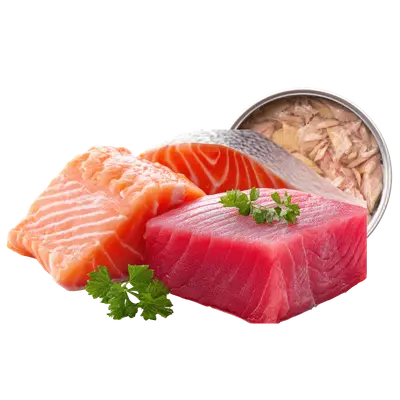
Free histidine levels vary considerably between fish species. European food-safety regulations specifically identify several fish families for histamine controls, including Scombridae (tuna, mackerel, bonito), Clupeidae (herring, sardine), Engraulidae (anchovy), Coryphaenidae (mahi-mahi), Pomatomidae (bluefish), and Scomberesocidae (saury). These fish are susceptible to developing elevated histamine levels when temperature abuse allows histamine-forming bacteria to grow. Fish such as cod generally contain less free histidine than many of the species associated with scombrotoxin formation. When high-histidine fish are exposed to the wrong temperature conditions, bacteria have more of this amino acid available to convert into histamine.
This is the basis of scombrotoxin fish poisoning, historically known as scombroid poisoning. It is most commonly associated with tuna, mahi-mahi, mackerel, and other susceptible fish that have been exposed to inadequate time and temperature control.
Does preparation change the risk?
The form and handling of fish largely determine its histamine status. A food that starts out low-risk can become a higher-risk trigger simply due to time and temperature.
| Form | Risk Level | Notes |
|---|---|---|
| Flash-frozen (at sea) | Low | Generally the safest choice, since it helps ensure the histamine clock was stopped early |
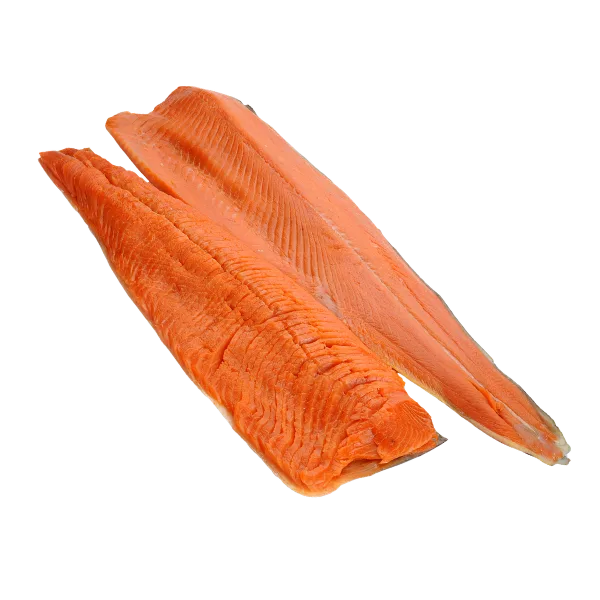
| Freshly caught | Low | Generally safe if gutted and cooked within hours of leaving the water |
| Supermarket "fresh" | High | Often several days old by the time it's purchased |
| Vacuum-packed (cold) | High | Lack of oxygen does not necessarily stop anaerobic bacteria from producing amines |
Note: Risk levels are based on clinical observations and patient reports, not standardized histamine measurements. Individual tolerance varies.
A food score is a reference, not a verdict.
Histamine intolerance is highly individual. A food that triggers symptoms in one person may be tolerated by another, even within the same category.
Strict elimination may help reduce symptoms initially, but long-term progress often depends on gradual reintroduction and pattern recognition. The goal is not to remove more foods over time, but to understand your personal tolerance and expand your diet when possible.
Tracking symptoms, portions, and context such as stress or timing can provide insights that generalized food lists cannot. This is where informed decisions replace fear-based restriction.
How to test your tolerance
 Prioritize Frozen at Sea (FAS).
This tends to be more reliable than fresh fish from a counter, since it locks in a lower-risk status shortly after catch.
 Thaw in the refrigerator when possible.
Thawing in the refrigerator is the safest method, since it keeps the fish consistently cold the whole time. If you need it faster, cold running water works too, but avoid leaving it at room temperature or using warm water.
 No leftovers.
Even if the fish was fresh when cooked, histamine can form in the leftovers during storage. Preparing only what you plan to eat may help.
 Gutting is key.
Bacteria in the digestive tract are among the primary drivers of histamine formation, so cleaning the fish thoroughly and promptly matters.
 Species matters as much as handling.
Tuna, mackerel, sardines, and anchovies naturally contain more free histidine, giving them greater potential for histamine buildup if temperature control fails. Cod, halibut, and other white fish start out with much less.
Common questions about Fish (freshly caught or frozen) and histamine
Is all fish safe on a low-histamine diet?
Generally only if it is ultra-fresh or flash-frozen. Aged, dried, smoked, or poorly stored fish tends to become much higher in histamine.
Does cooking make old fish safe?
Not really. Histamine is heat-stable, so if it formed before cooking, it will generally remain in the food regardless of the temperature used.
Why is frozen fish often safer than fresh fish?
Because fresh fish in a store has often been dead for several days, while flash-frozen fish is typically processed within hours of being caught.
Is tuna as safe as white fish if it's fresh?
Not necessarily. Tuna and other fish species officially recognized as high in free histidine naturally contain much more of it than white fish like cod, giving bacteria more of the amino acid available to convert into histamine if temperature conditions allow. Freshness and the cold chain still matter, but the starting point isn't the same.
Some people find these options helpful

Supplements are optional tools, not a solution. Personal tracking and identifying your individual triggers remains the priority.
Where this information comes from
At MyHistaMap we curate information from peer reviewed research and recognized medical sources. This guide is a reference tool, not a medical prescription. Always track your own reactions and consult your healthcare provider.
References
- Sec. 540.525 Scombrotoxin (Histamine)-forming Fish and Fishery Products, U.S. FDA Compliance Policy Guide, 2024: confirms freshly caught, properly handled fish contains little to no detectable histamine, that formation requires time/temperature abuse, and that histamine cannot be removed once formed by freezing, cooking, or washing. The source for this page's cold-chain and histamine-formation framing.
- Scombroid and Histamine Toxicity, StatPearls (NCBI Bookshelf), 2023: histamine toxicity is classically associated with dark-meat fish, especially the Scombridae and Scomberesocidae families (tuna, mackerel, bonito, skipjack), which is the origin of the term scombroid poisoning.
- Seafish (UK Seafish Authority), Histamine, citing EU Regulation 853/2004 and 2073/2005: officially lists the fish families associated with high free histidine content and histamine-formation risk as Scombridae (mackerel, tuna, bonito), Clupeidae (herring, sardine), Engraulidae (anchovy), Coryphaenidae (mahi-mahi), Pomatomidae (bluefish), and Scomberesocidae (saury). The source for this page's species comparison.
- Liu D, Free Histidine Content and Scombrotoxin Formation, in Handbook of Foodborne Diseases, 2018: confirms that fish with relatively high levels of free histidine in their flesh are the ones most commonly associated with scombroid fish poisoning (SFP), and that histidine content varies by species, harvest time, and fish condition. The source for this page's note on free histidine variability.