This content is for informational purposes only and does not constitute medical advice. Always consult a qualified healthcare provider before making dietary changes. Histamine tolerance is highly individual.
This information applies to histamine intolerance, DAO deficiency, and MCAS only. If you have a confirmed food allergy, this content does not apply to you. Food allergies involve the immune system and can be life-threatening. Please consult your allergist.
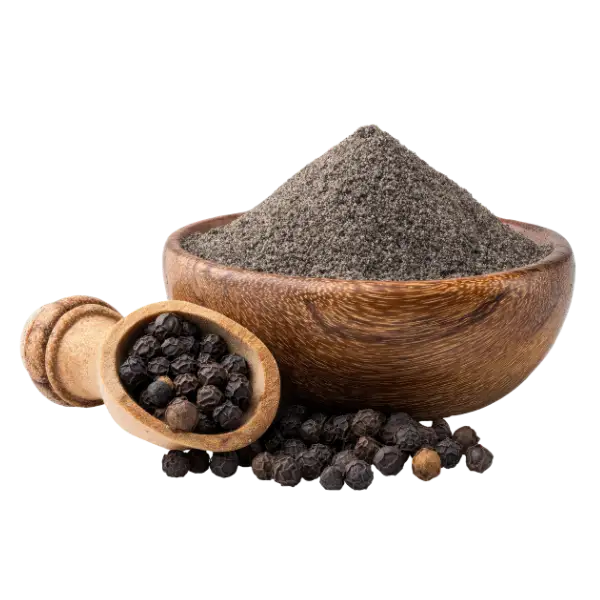
Is Black pepper a trigger for histamine intolerance?
Black pepper scores a 2 out of 3 on the SIGHI Food Compatibility List, placing it in the Moderate category.
Black pepper & Histamine, what the evidence says
Black pepper is considered moderately problematic for histamine intolerance, although small amounts are generally tolerated. This makes portion size a genuine histamine consideration here, not just a footnote.
The pungency of black pepper comes from piperine, which activates TRPV1, the same sensory receptor activated by capsaicin in chili peppers. This stimulates nerve endings in the mouth and digestive tract and can cause burning or digestive discomfort. These effects are sensory rather than evidence of a histamine reaction, which helps explain why larger amounts of black pepper can cause symptoms even when histamine is not the direct cause.
Piperine also has a well-documented pharmacological effect: it inhibits P-glycoprotein and CYP3A4, both involved in the absorption and metabolism of many medications. Clinical studies have found that this can meaningfully raise blood levels of certain drugs, including notable increases for carbamazepine and fexofenadine. This is a genuine consideration for anyone taking medications affected by these pathways, separate from any histamine reaction.
Oxalate and salicylate content are both high when measured per 100 grams, but black pepper is normally used in such small amounts as a seasoning that the actual intake from typical culinary use is minimal.
Does preparation change the risk?
Portion size matters for black pepper more than for most spices, both for histamine and for its sensory effects.
| Form | Risk Level | Notes |
|---|---|---|
| A light seasoning, culinary amounts | Low | Generally well tolerated; small amounts keep both histamine and TRPV1-related effects minimal |
| Heavy seasoning or large amounts | Moderate | More likely to cause noticeable symptoms, both digestive irritation and histamine-related |
| ⚠️ Any form | Moderate | Risk here depends mainly on the amount used regularly, not the form; piperine can meaningfully raise blood levels of certain drugs, worth discussing with a healthcare provider if you take medications metabolized by CYP3A4 or P-glycoprotein regularly |
Note: Risk levels are based on clinical observations and patient reports, not standardized histamine measurements. Individual tolerance varies.
A food score is a reference, not a verdict.
Histamine intolerance is highly individual. A food that triggers symptoms in one person may be tolerated by another, even within the same category.
Strict elimination may help reduce symptoms initially, but long-term progress often depends on gradual reintroduction and pattern recognition. The goal is not to remove more foods over time, but to understand your personal tolerance and expand your diet when possible.
Tracking symptoms, portions, and context such as stress or timing can provide insights that generalized food lists cannot. This is where informed decisions replace fear-based restriction.
How to test your tolerance
 Keep portions light.
Small amounts of black pepper are generally well tolerated. Larger amounts are more likely to cause symptoms, whether from histamine or from piperine's direct irritant effect.
 Know the difference between burning and a histamine reaction.
A burning sensation or digestive discomfort from black pepper is likely piperine acting on TRPV1 receptors, a sensory effect, not necessarily a histamine reaction.
 Check in if you take certain medications regularly.
Piperine inhibits pathways your body uses to process many drugs. If you take medications affected by CYP3A4 or P-glycoprotein, ask a healthcare provider about regular black pepper or piperine supplement use.
 Don't worry about the per-100g oxalate and salicylate numbers.
Both look high by weight, but the tiny amount used as a seasoning keeps actual intake minimal.
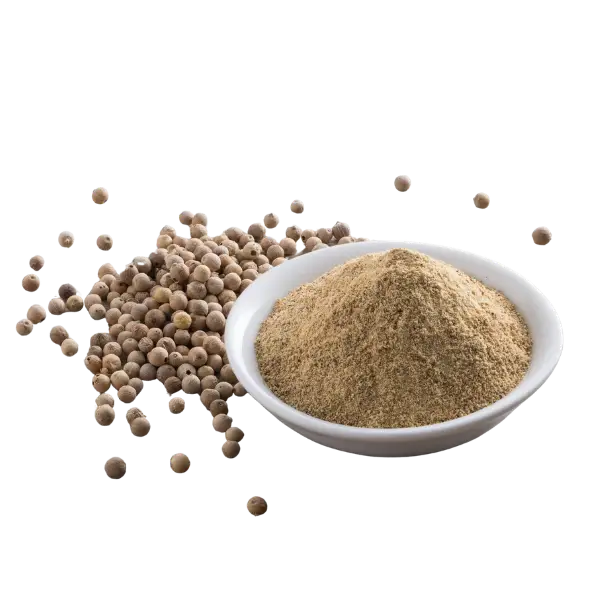
- Consider white pepper as an alternative.
If black pepper bothers you specifically at higher amounts, testing your response to it separately from other spices can help pinpoint the cause.
 Track your response in MyHistaMap.
Log the amount used and any symptoms, noting whether they feel like burning or digestive irritation versus a broader histamine-type reaction.
Common questions about Black pepper and histamine
Is black pepper high in histamine?
It's considered moderately problematic for histamine intolerance, though small amounts are generally tolerated. Portion size matters here more than with many other spices.
Why does black pepper cause a burning feeling or digestive discomfort?
This comes from piperine activating TRPV1, the same receptor that responds to capsaicin in chili peppers. It's a direct sensory effect, not necessarily a sign of a histamine reaction.
Can black pepper affect my medications?
Yes, this is a real consideration. Piperine inhibits P-glycoprotein and CYP3A4, which are involved in processing many drugs. Clinical studies have found meaningful increases in blood levels of certain medications, including carbamazepine and fexofenadine.
Is black pepper high in oxalates or salicylates?
Both are high when measured per 100 grams, but the small amount used as a seasoning means actual intake from typical use is minimal.
Some people find these options helpful





Supplements are optional tools, not a solution. Personal tracking and identifying your individual triggers remains the priority.
Where this information comes from
At MyHistaMap we curate information from peer reviewed research and recognized medical sources. This guide is a reference tool, not a medical prescription. Always track your own reactions and consult your healthcare provider.
References
- SIGHI (Swiss Interest Group Histamine Intolerance) Food Compatibility List: classifies black pepper with a histamine score of 2 (incompatible, significant symptoms at usual intake), noting that small amounts are tolerated.
- McNamara FN, Randall A, Gunthorpe MJ, Effects of piperine, the pungent component of black pepper, at the human vanilloid receptor (TRPV1), British Journal of Pharmacology, 2005: confirms piperine directly activates human TRPV1, the same receptor activated by capsaicin, with even greater efficacy in some respects. The source for this page's section on piperine's sensory/irritant mechanism.
- Bhardwaj RK et al., Piperine, a Major Constituent of Black Pepper, Inhibits Human P-glycoprotein and CYP3A4, Journal of Pharmacology and Experimental Therapeutics, 2002: laboratory study confirming piperine inhibits both P-glycoprotein and CYP3A4 in human tissue models, with cited human clinical studies showing piperine increased carbamazepine AUC by 48% and fexofenadine AUC by 68%. The source for this page's medication interaction section.
- Solid spectrophotometric (Si-Ti/ECR) and HPLC determination of oxalate in food samples, Sensors, 2018: direct laboratory measurement placing black pepper oxalate content at 857-876 mg/100g, high by weight, though a typical culinary dash represents only a small fraction of that amount.