This content is for informational purposes only and does not constitute medical advice. Always consult a qualified healthcare provider before making dietary changes. Histamine tolerance is highly individual.
This information applies to histamine intolerance, DAO deficiency, and MCAS only. If you have a confirmed food allergy, this content does not apply to you. Food allergies involve the immune system and can be life-threatening. Please consult your allergist.
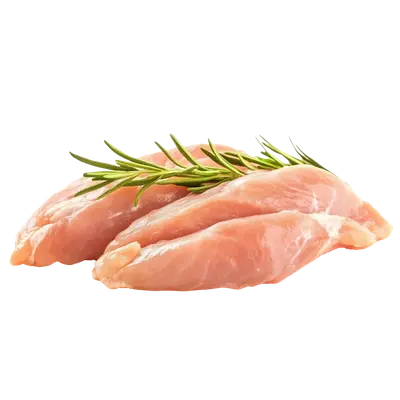
Is Chicken a trigger for histamine intolerance?
Chicken scores a 0 out of 3 on the SIGHI Food Compatibility List, placing it in the Safe category.
Chicken & Histamine, what the evidence says
Poultry can carry a medication-related risk that has nothing to do with histamine intolerance directly: tyramine buildup in people taking monoamine oxidase inhibitors (MAOIs), a class of antidepressants. Chicken liver and liver pâté are specifically included among the foods restricted in some clinical low-tyramine diet guidance, although the tyramine content of poultry products can vary considerably depending on how they are prepared, aged, processed, and stored. The underlying mechanism is bacterial decarboxylation of tyrosine, which can produce tyramine as food ages or begins to spoil. For someone taking an MAOI, excessive tyramine can cause a sudden, sharp increase in blood pressure, and this risk is related to the tyramine content of the food rather than to histamine intolerance.
Separately, and more relevant to histamine specifically, fresh chicken is generally low in histamine. Like other animal proteins, chicken naturally contains histidine, which bacteria can convert into histamine after slaughter. Because raw chicken is rich in moisture and nutrients, bacteria can multiply quickly if it is left at room temperature or refrigerated for too long, allowing histamine to accumulate over time.
The biggest factor is the freshness chain. How long the chicken spends during processing, transport, at the butcher counter, on a supermarket shelf, and even in your own refrigerator can have a much greater impact on histamine than the chicken itself. The less time bacteria have to grow before the chicken is cooked or frozen, the lower histamine levels are likely to remain.
Does preparation change the risk?
The form and handling of chicken largely determine its histamine load. Processing, surface area, and time in the cold chain are the most critical variables, separate from the tyramine consideration for organ meats.
| Form | Risk Level | Notes |
|---|---|---|
| Fresh / Flash-frozen breast | Low | Generally the lowest amine option; lean and well tolerated |
| Chicken thighs / Skin-on | Moderate | Fine if very fresh; the skin can harbor more bacteria if the meat is older |
| Ground chicken | Moderate | More surface area leads to faster histamine buildup |
| Chicken liver / Liver pâté | Moderate | Not a major histamine concern on its own, but relevant for tyramine if taking an MAOI antidepressant |
| Rotisserie (store-bought) | High | Often sits for extended periods; may contain spice rubs with yeast or flavor extracts |
| Cured / Deli chicken | High | Contains nitrates, flavor enhancers, and tends to have elevated amine concentrations |
Note: Risk levels are based on clinical observations and patient reports, not standardized histamine measurements. Individual tolerance varies.
A food score is a reference, not a verdict.
Histamine intolerance is highly individual. A food that triggers symptoms in one person may be tolerated by another, even within the same category.
Strict elimination may help reduce symptoms initially, but long-term progress often depends on gradual reintroduction and pattern recognition. The goal is not to remove more foods over time, but to understand your personal tolerance and expand your diet when possible.
Tracking symptoms, portions, and context such as stress or timing can provide insights that generalized food lists cannot. This is where informed decisions replace fear-based restriction.
How to test your tolerance
 The 24-hour rule.
Avoid keeping raw chicken in the refrigerator for more than one day. If not cooking it right away, move it to the freezer.
 Avoid the butcher case.
Chicken sold loose in a display case has been exposed to more air and temperature fluctuations. Vacuum-sealed or deeply chilled pre-packaged options are generally preferable.
 Don't rinse raw chicken.
The CDC and USDA both advise against washing raw chicken. Rinsing doesn't reduce bacteria (only cooking to a safe temperature does), and the splashing water can spread bacteria up to 3 feet across your kitchen. Go straight from package to pan.
 Flash-thaw protocol.
Avoid thawing chicken on the counter or slowly overnight. A sealed bag in cold water is a quicker method that limits the time spent at room temperature.
 Know the medication interaction if you take an MAOI.
Chicken liver and liver pâté are included in some low-tyramine diet guidance for people on MAOI antidepressants. It's a separate consideration from histamine.
 Track your response.
Use MyHistaMap to log the form, freshness, and preparation method. Over time this helps identify which handling practices work best for your personal tolerance.
Common questions about Chicken and histamine
Is organic or air-chilled chicken better for histamine?
Air-chilled chicken may be a reasonable option since it hasn't sat in a communal water bath, a step that can spread bacteria between birds and potentially add to the amine load.
Can I eat chicken skin?
If the chicken is very fresh, the skin is generally fine. In older chicken, the skin tends to carry more bacterial activity and a higher amine load.
Is chicken broth safe for histamine intolerance?
Traditional chicken broth simmered for many hours tends to build up more amines the longer it cooks. A shorter broth made with less simmering time is generally easier to tolerate than a long-simmered one.
Why do I react to chicken nuggets?
Nuggets are highly processed and typically contain fillers, soy, spices, and thickeners that may act as mast cell triggers or carry their own histamine load.
Should I wash raw chicken before cooking it?
No. The CDC and USDA both recommend against it. Washing doesn't remove bacteria, cooking to a safe internal temperature does, and rinsing can splash bacteria onto nearby surfaces and other food. The reasoning behind this guidance is mainly Campylobacter, the most common bacterial cause of foodborne illness in the U.S., and raw chicken is its primary source.
Can chicken liver or pâté cause problems unrelated to histamine?
Yes. Chicken liver and liver pâté are named in some clinical low-tyramine diet guidance for people taking MAOI antidepressants. This is a separate medication interaction, not a histamine intolerance symptom, and the tyramine content can vary depending on preparation and storage.
Some people find these options helpful
Supplements are optional tools, not a solution. Personal tracking and identifying your individual triggers remains the priority.
Where this information comes from
At MyHistaMap we curate information from peer reviewed research and recognized medical sources. This guide is a reference tool, not a medical prescription. Always track your own reactions and consult your healthcare provider.
References
- Chicken and Food Poisoning, CDC: raw chicken is often contaminated with Campylobacter and sometimes Salmonella or Clostridium perfringens; raw chicken is ready to cook and doesn't need to be washed first, since washing spreads bacteria rather than removing it. The source for this page's food-safety guidance and the Campylobacter reasoning behind it.
- Chicken from Farm to Table, USDA Food Safety and Inspection Service: rinsing or soaking chicken does not destroy bacteria; only cooking to a safe internal temperature does.
- MAOI (Monoamine Oxidase Inhibitors) Diet Sheet, West Suffolk NHS Foundation Trust: lists chicken livers and liver pâté among foods to avoid on a low-tyramine diet for MAOI antidepressants, while fresh, frozen, or tinned poultry is listed as compatible. The source for this page's chicken liver/pâté tyramine caution.
- McCabe BJ, Dietary Tyramine and Other Pressor Amines in MAOI Regimens: A Review, Journal of the American Dietetic Association, 1986: establishes the general mechanism by which any food rich in aromatic amino acids can become high in tyramine through aging, processing, or spoilage, and the resulting hypertensive crisis risk for people taking MAOI antidepressants. The source for this page's tyramine mechanism explanation.