This content is for informational purposes only and does not constitute medical advice. Always consult a qualified healthcare provider before making dietary changes. Histamine tolerance is highly individual.
This information applies to histamine intolerance, DAO deficiency, and MCAS only. If you have a confirmed food allergy, this content does not apply to you. Food allergies involve the immune system and can be life-threatening. Please consult your allergist.
Is Tomato a trigger for histamine intolerance?
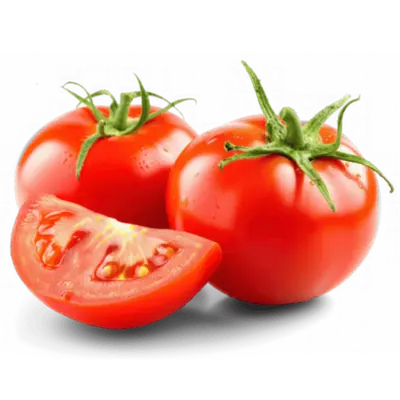
Tomato scores a 2 out of 3 on the SIGHI Food Compatibility List, placing it in the Moderate category. It is also classified on some reference lists as a potential histamine liberator. This reflects the reference list's classification rather than a confirmed mast-cell mechanism, since research specifically testing this hasn't provided strong support for it.
Tomato & Histamine, what the evidence says
Tomatoes have been found to contain measurable amounts of naturally occurring histamine, although the levels reported in food analyses vary considerably between samples and studies. This makes tomatoes different from many fresh vegetables in which histamine is often undetectable or present only in very small amounts.
Tomatoes are also listed as potential histamine liberators on some reference lists, meaning they are considered capable of triggering histamine release in some people in addition to any histamine already present in the food. However, the specific mechanism behind this effect has not been firmly established in humans, so the presence of histamine in the food and the potential liberator effect are best kept as two separate considerations.
Tomatoes also contain naturally occurring salicylates and other bioactive compounds that can be relevant to people with sensitivities beyond histamine. A reaction to tomatoes therefore does not necessarily indicate that histamine is the only factor involved.
Tolerance varies considerably between individuals. Some people tolerate small amounts of fresh tomato, while others notice symptoms with much smaller portions. Individual testing can therefore be more informative than assuming that every person will respond to tomatoes in the same way.
Does preparation change the risk?
Processing, storage, and concentration can influence amine levels and symptom response. The form of tomato you consume may affect how well you tolerate it.
| Form | Risk Level | Notes |
|---|---|---|
| Fresh tomato (eaten immediately) | Moderate | Generally better tolerated than processed forms |
| Cooked tomato | High | Cooking and concentration may increase symptom likelihood in some individuals |
| Canned tomatoes | High | Processing and storage may increase biogenic amine content |
| Tomato sauce / paste | High | Concentration and long cooking are commonly reported triggers |
| Tomato juice / ketchup | High | May also contain additives that affect sensitive individuals |
| Sun-dried tomatoes | High | Highly concentrated, frequently reported as a strong trigger |
Note: Risk levels are based on clinical observations and patient reports, not standardized histamine measurements. Individual tolerance varies.
A food score is a reference, not a verdict.
Histamine intolerance is highly individual. A food that triggers symptoms in one person may be tolerated by another, even within the same category.
Strict elimination may help reduce symptoms initially, but long-term progress often depends on gradual reintroduction and pattern recognition. The goal is not to remove more foods over time, but to understand your personal tolerance and expand your diet when possible.
Tracking symptoms, portions, and context such as stress or timing can provide insights that generalized food lists cannot. This is where informed decisions replace fear-based restriction.
How to test your tolerance
 Start with fresh, not processed.
If you want to reintroduce tomato, starting with a small piece of fresh tomato, rather than canned, sauce, or paste, is generally a good approach.
 Start with a small portion.
For example, a few slices with a meal. Wait 24 to 48 hours before increasing the amount.
 Avoid combining with other triggers.
Especially fermented foods, alcohol, or aged products. Combinations can push you over your threshold even if tomato alone would be fine.
 Monitor timing of symptoms.
Track reactions within a few hours and up to 24 hours after eating.
 Test under stable conditions.
Avoid testing during stress, illness, or flare-ups, since these can amplify reactions independently.
 Be aware of salicylates.
Tomatoes are high in salicylates. If you have salicylate sensitivity in addition to histamine intolerance, you may react more strongly. Track both dimensions separately.
 Track your response carefully.
Note the form, quantity, and timing. Look for patterns across multiple trials using the MyHistaMap app.
Common questions about Tomato and histamine
Is tomato high in histamine?
Tomatoes measurably contain histamine, unlike most fresh vegetables, though reported levels vary considerably between studies and are generally lower than in foods like aged cheese. They're also considered a potential liberator and contain salicylates, both separate considerations from their own histamine content.
Why do tomatoes trigger symptoms even in small amounts?
It's likely a combination of factors: measurable histamine content, a possible liberator effect, and salicylates, all layered on top of each other. Reactions to tomatoes don't necessarily mean histamine is the only thing involved.
Are cooked tomatoes worse than fresh?
In many cases, yes. Cooking and concentration, as in sauces, may increase the likelihood of symptoms for sensitive individuals.
Can I eat tomatoes with histamine intolerance?
Some people tolerate small amounts, especially fresh tomatoes. Individual testing with careful tracking is the recommended approach rather than permanent elimination.
Is tomato sauce high in histamine?
Tomato sauce is often considered higher risk due to concentration and processing. It is frequently reported as a trigger in histamine intolerance.
Some people find these options helpful

Supplements are optional tools, not a solution. Personal tracking and identifying your individual triggers remains the priority.
Where this information comes from
At MyHistaMap we curate information from peer reviewed research and recognized medical sources. This guide is a reference tool, not a medical prescription. Always track your own reactions and consult your healthcare provider.
References
- SIGHI (Swiss Interest Group Histamine Intolerance) Food Compatibility List, version 2024-08-29: rates tomato 2, marked both H (rich in histamine) and L (liberator), the basis for treating tomato's own histamine content as a real consideration on this page, not just a liberator effect.
- Sánchez-Pérez et al., Biogenic Amines in Plant-Origin Foods: Are they Frequently Underestimated in Low-Histamine Diets?, Foods, 2019: found that among fresh vegetables, only eggplant, spinach, and tomato contained significant, measurable histamine, with tomato ranging from not detected to 17.1 mg/kg, generally lower than the levels found in eggplant and spinach.
- Tsiasioti & Tzanavaras, Simple and Reliable Determination of the Histamine Content of Selected Greek Vegetables and Related Products in the Frame of "Low Histamine Diet", Foods, 2022: measured histamine in fresh tomatoes and tomato products at 0.8 to 10.6 mg/kg, lower than the 15.4 to 34.2 mg/kg range found in eggplant and spinach in the same study.