This content is for informational purposes only and does not constitute medical advice. Always consult a qualified healthcare provider before making dietary changes. Histamine tolerance is highly individual.
This information applies to histamine intolerance, DAO deficiency, and MCAS only. If you have a confirmed food allergy, this content does not apply to you. Food allergies involve the immune system and can be life-threatening. Please consult your allergist.
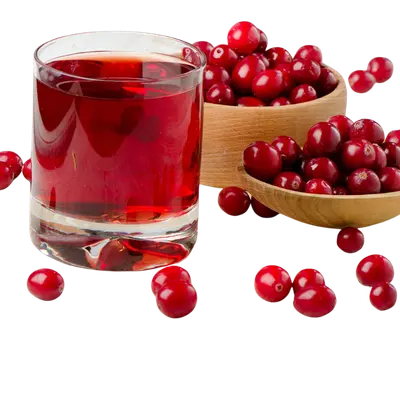
Is Cranberry nectar a trigger for histamine intolerance?
Cranberry nectar scores a 0 out of 3 on the SIGHI Food Compatibility List, placing it in the Safe category.
Cranberry nectar & Histamine, what the evidence says
Cranberry nectar is generally considered a low-histamine option, valued for its high concentration of proanthocyanidins (PACs), compounds best known for their role in urinary tract health and being investigated for effects on the intestinal barrier. Its vitamin C content may also be relevant, since vitamin C has been associated with lower blood histamine levels in some human studies.
Cranberry's salicylate content is well documented, not just a theoretical concern. In a clinical study, healthy volunteers who drank cranberry juice regularly for two weeks showed a marked increase in salicylic acid and salicyluric acid in their urine, along with a smaller but significant increase in plasma salicylic acid. One commercial cranberry juice formulation tested in the study contained 7 mg/L of salicylate. This provides direct evidence that salicylates from cranberry juice are absorbed in humans. Separate case reports have also described elevated INR levels in people taking warfarin after consuming cranberry products, although controlled studies have not consistently found a clinically significant interaction. For people with salicylate sensitivity, this is a separate consideration from cranberry's histamine content.
Commercial cranberry nectars can also differ substantially in their added ingredients. Some contain sulfites as preservatives, while others contain added sugars or sweeteners, so the ingredient list matters when evaluating an individual product.
Does preparation change the risk?
The form and ingredients of cranberry products vary significantly. Pure unsweetened juice and frozen berries are generally the safer options, while commercial nectars and dried cranberries carry higher additive risks.
| Form | Risk Level | Notes |
|---|---|---|
| Pure unsweetened juice | Low | Lowest additive risk; very tart and acidic. |
| Nectar (commercial) | Moderate | Often contains added sugar or natural flavors worth checking for. |
| Dried cranberries | High | Frequently treated with sulfites and added sugars. |
| Frozen berries | Low | Good option for homemade infusions; generally good nutrient retention. |
| Cranberry sauce | High | Often contains thickeners and preservatives. |
Note: Risk levels are based on clinical observations and patient reports, not standardized histamine measurements. Individual tolerance varies.
A food score is a reference, not a verdict.
Histamine intolerance is highly individual. A food that triggers symptoms in one person may be tolerated by another, even within the same category.
Strict elimination may help reduce symptoms initially, but long-term progress often depends on gradual reintroduction and pattern recognition. The goal is not to remove more foods over time, but to understand your personal tolerance and expand your diet when possible.
Tracking symptoms, portions, and context such as stress or timing can provide insights that generalized food lists cannot. This is where informed decisions replace fear-based restriction.
How to test your tolerance
 Check the label carefully.
Commercial nectars often contain additives like potassium sorbate or sulfites that may trigger reactions independently of the fruit's histamine profile.
 Salicylate awareness.
Cranberry is high in salicylates. If you notice symptoms after drinking it, consider whether salicylate sensitivity rather than histamine may be a contributing factor.
 Dilution strategy.
Due to its acidity and salicylate content, diluting the nectar with water or a well-tolerated herbal tea may help reduce the chemical load per serving.
 Sugar management.
High sugar intake may contribute to gut dysbiosis, which can indirectly affect histamine production. Pure unsweetened juice diluted with water is generally preferable to sweetened nectars.
 Tracking protocol.
Use MyHistaMap to log the specific brand and form. Tolerance can vary significantly depending on the processing and additives used in different products.
Common questions about Cranberry nectar and histamine
Is cranberry nectar better than orange juice for histamine intolerance?
Pure cranberry nectar is generally considered a lower-risk option than orange juice, which is frequently classified as a histamine liberator. However, cranberry's high salicylate content means it is not suitable for everyone.
Does cranberry nectar support histamine metabolism?
Its Vitamin C content may play a supporting role in histamine metabolism. However, the relationship is indirect and individual responses vary considerably.
Why does cranberry cause discomfort in some people?
This is often attributed to its high acidity and salicylate content rather than a histamine reaction. Diluting it may help reduce discomfort for those who are sensitive.
Can I drink cranberry nectar regularly?
Small amounts of pure, additive-free cranberry juice diluted with water are generally considered manageable for most individuals. Its high salicylate profile is worth keeping in mind for those with broader chemical sensitivities.
Some people find these options helpful
Supplements are optional tools, not a solution. Personal tracking and identifying your individual triggers remains the priority.
Where this information comes from
At MyHistaMap we curate information from peer reviewed research and recognized medical sources. This guide is a reference tool, not a medical prescription. Always track your own reactions and consult your healthcare provider.
References
- Duthie et al., Increased Salicylate Concentrations in Urine of Human Volunteers after Consumption of Cranberry Juice, Journal of Agricultural and Food Chemistry, 2005: healthy volunteers who consumed cranberry juice regularly for two weeks showed a marked rise in urinary salicylic acid and salicyluric acid, along with a smaller but significant rise in plasma salicylic acid; one tested formulation contained 7 mg/L of salicylate. This is the source for this page's claim that cranberry's salicylate content is directly confirmed to be absorbed in humans, not just theoretical.
- Mohammed Abdul et al., Pharmacodynamic Interaction of Warfarin with Cranberry but Not with Garlic in Healthy Subjects, British Journal of Pharmacology, 2008: found cranberry significantly increased the INR-time curve by 30% when combined with warfarin in a randomized crossover trial, though other controlled studies (Li et al. 2006, Ansell et al. 2008, Lilja et al. 2007) did not find a significant interaction, the source for this page's note that controlled studies on the warfarin-cranberry interaction haven't been consistent.