This content is for informational purposes only and does not constitute medical advice. Always consult a qualified healthcare provider before making dietary changes. Histamine tolerance is highly individual.
This information applies to histamine intolerance, DAO deficiency, and MCAS only. If you have a confirmed food allergy, this content does not apply to you. Food allergies involve the immune system and can be life-threatening. Please consult your allergist.
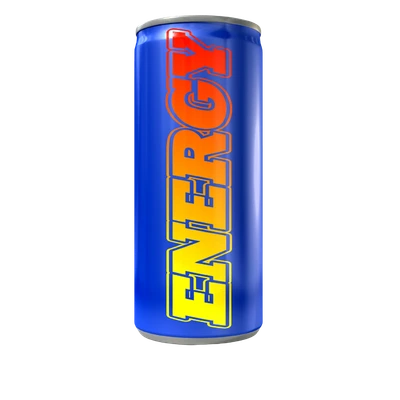
Is Energy drinks a trigger for histamine intolerance?
Energy drinks scores a 2 out of 3 on the SIGHI Food Compatibility List, placing it in the Moderate category. It may also potentially slow histamine breakdown by affecting DAO enzyme activity.
Energy drinks & Histamine, what the evidence says
Energy drinks are complex mixtures that typically contain substantial amounts of caffeine along with other stimulants and added ingredients. Caffeine is widely believed online to interfere with DAO (diamine oxidase), the primary enzyme responsible for breaking down histamine in the gut, but this specific claim doesn't hold up well under direct testing, the same issue that comes up with coffee and other caffeinated drinks.
These beverages often contain a combination of other ingredients associated with symptoms some people describe as histamine-related, including synthetic colorants, preservatives such as benzoates, and niacin (vitamin B3). Niacin flush, the warmth and redness some people experience, can look similar to a histamine reaction, but the primary mechanism identified in clinical research is prostaglandin release rather than mast cell histamine release. A laboratory study did find that methylnicotinate, a related niacin compound, could trigger a small amount of histamine release from human mast cells, alongside a much stronger prostaglandin response. This means flushing shouldn't automatically be assumed to be histamine-driven, while the possibility of mast cell involvement with certain niacin-related compounds shouldn't be dismissed entirely.
Energy drinks can also vary substantially in their caffeine, vitamin, sweetener, preservative, and other ingredient profiles, so individual products may differ considerably.
Does preparation change the risk?
Most standard energy drink formats contain a mix of ingredients that may independently affect sensitive individuals, beyond caffeine's role, which isn't well supported as a DAO inhibitor.
| Form | Risk Level | Notes |
|---|---|---|
| Standard (with sugar) | High | Combination of stimulants, high-fructose corn syrup, and synthetic dyes |
| Sugar-free | High | Contains artificial sweeteners that can irritate the gut lining and microbiome in some people |
| Energy shots | High | Highly concentrated botanical stimulants, such as guarana, add to the overall caffeine load |
| Caffeine-free | Moderate | Still contains flavorings, taurine, and preservatives that may play a role |
| Pre-workout drinks | High | Frequently includes nitric oxide boosters and beta-alanine, which are associated with flushing in some people |
Note: Risk levels are based on clinical observations and patient reports, not standardized histamine measurements. Individual tolerance varies.
A food score is a reference, not a verdict.
Histamine intolerance is highly individual. A food that triggers symptoms in one person may be tolerated by another, even within the same category.
Strict elimination may help reduce symptoms initially, but long-term progress often depends on gradual reintroduction and pattern recognition. The goal is not to remove more foods over time, but to understand your personal tolerance and expand your diet when possible.
Tracking symptoms, portions, and context such as stress or timing can provide insights that generalized food lists cannot. This is where informed decisions replace fear-based restriction.
How to test your tolerance
 Enzyme interference.
The common claim that caffeine reduces DAO activity doesn't hold up well under direct testing. It shouldn't be assumed as a confirmed mechanism behind symptoms after energy drinks.
 The Niacin response.
Niacin (B3) intake can cause a temporary flush, warmth and redness, that some people associate with histamine. The primary documented mechanism is prostaglandin release rather than mast cell histamine release, though a related niacin compound has shown a small histamine effect in lab testing.
 Additive load.
Benzoates and sulfites, often used as preservatives, have been reported to trigger symptoms in some sensitive individuals.
 Stacking stimulants.
Combining multiple stimulants at once may add to overall bodily stress, which some people find affects how well they tolerate other foods around the same time.
 Tracking protocol.
Use MyHistaMap to observe how long symptoms last, since effects are commonly reported to last several hours.
Common questions about Energy drinks and histamine
How do stimulants in energy drinks affect histamine?
Stimulants can activate the body's stress response, which some people associate with increased sensitivity to symptoms. The specific claim that caffeine interferes with DAO doesn't hold up well under direct testing, so this connection isn't well established either.
Are natural energy drinks safer?
They lack synthetic dyes, but concentrated natural stimulants, such as yerba mate, still contain caffeine and related methylxanthines. The claim that these interfere with DAO carries the same lack of direct evidence as caffeine itself.
What is the impact of carbonation in energy drinks?
Carbonation may increase how quickly caffeine and other additives enter the bloodstream, which some people associate with a quicker onset of symptoms.
Some people find these options helpful

Supplements are optional tools, not a solution. Personal tracking and identifying your individual triggers remains the priority.

Where this information comes from
At MyHistaMap we curate information from peer reviewed research and recognized medical sources. This guide is a reference tool, not a medical prescription. Always track your own reactions and consult your healthcare provider.
References
- Diamine Oxidase Interactions with Anti-Inflammatory and Anti-Migraine Medicines in the Treatment of Migraine, 2023: tested a caffeine-containing drug combination directly against DAO activity in vitro and in human enterocyte cell cultures and found no inhibitory effect, the source for this page's correction of the common 'caffeine blocks DAO' claim.
- Kamanna, The Mechanism and Mitigation of Niacin-Induced Flushing, International Journal of Clinical Practice, 2009: this comprehensive review found niacin-induced flushing is primarily driven by prostaglandin D2 and E2 release rather than mast cell mediators, noting oral niacin has not been associated with increases in blood histamine levels, the source for this page's distinction between niacin flush and histamine release.
- Papaliodis et al., Niacin-Induced 'Flush' Involves Release of Prostaglandin D2 from Mast Cells and Serotonin from Platelets, Journal of Pharmacology and Experimental Therapeutics, 2008: found methylnicotinate produced a small dose-response effect on mast cell histamine secretion alongside a much larger effect on PGD2 release, the source for this page's note that a related niacin compound has shown some mast cell involvement in lab testing.