
This content is for informational purposes only and does not constitute medical advice. Always consult a qualified healthcare provider before making dietary changes. Histamine tolerance is highly individual.
This information applies to histamine intolerance, DAO deficiency, and MCAS only. If you have a confirmed food allergy, this content does not apply to you. Food allergies involve the immune system and can be life-threatening. Please consult your allergist.
Is Cola Drinks a trigger for histamine intolerance?
Cola Drinks scores a 1 out of 3 on the SIGHI Food Compatibility List, placing it in the Low category.
Cola Drinks & Histamine, what the evidence says
Cola drinks aren't associated with meaningful pre-formed histamine content. Cola is still sometimes described as a mild DAO inhibitor because of its caffeine, but that specific mechanism doesn't hold up well under direct testing, the same issue that comes up with coffee and other caffeinated drinks.
Artificial additives are a more relevant consideration, though the picture is more uncertain than it's often presented. Sodium benzoate (E211) and food colorings are among the additives most commonly implicated by patients with food additive intolerance, but the exact mechanism isn't well established. When sodium benzoate has been tested directly against mast cells in the lab, it hasn't been shown to trigger histamine release; at some concentrations, it actually suppressed it. This doesn't rule out reactions in sensitive individuals through other pathways, but it does mean that describing sodium benzoate as a direct "histamine liberator" goes beyond what the laboratory evidence currently supports.
Diet or zero-sugar colas raise a similar question with aspartame. Despite being widely discussed as a possible mast cell trigger, direct testing hasn't shown aspartame to act as a mast cell or basophil secretagogue, either in cell studies or skin testing. If diet cola causes symptoms for someone, it may be worth looking at other ingredients or personal sensitivities rather than assuming aspartame itself is activating mast cells.
Phosphoric acid, a common cola ingredient, is a separate consideration from histamine and additives. Cola's acidity may contribute to digestive irritation in some people, particularly with regular or heavy intake, which is a distinct issue from any histamine-related effect.
Does preparation change the risk?
Additives and sweeteners are the main variables across cola varieties, since caffeine's role as a DAO inhibitor isn't well supported. Caffeine-free versions remove one variable, but additive content matters more than caffeine here.
| Form | Risk Level | Notes |
|---|---|---|
| Caffeine-free cola | Low | Removes caffeine, though additive content is typically the same as regular cola |
| Regular cola | Low | Standard formula; additive content is the main consideration, not caffeine |
| Diet / Zero cola | Moderate | Some individuals report reactions to synthetic sweeteners, though direct testing hasn't confirmed a mast cell mechanism for aspartame specifically |
| Natural / Cane sugar | Low | Less chemical processing compared to high-fructose corn syrup versions |
| Cola gummies | Low | Contains synthetic flavors and acids; generally minimal amine impact |
Note: Risk levels are based on clinical observations and patient reports, not standardized histamine measurements. Individual tolerance varies.
A food score is a reference, not a verdict.
Histamine intolerance is highly individual. A food that triggers symptoms in one person may be tolerated by another, even within the same category.
Strict elimination may help reduce symptoms initially, but long-term progress often depends on gradual reintroduction and pattern recognition. The goal is not to remove more foods over time, but to understand your personal tolerance and expand your diet when possible.
Tracking symptoms, portions, and context such as stress or timing can provide insights that generalized food lists cannot. This is where informed decisions replace fear-based restriction.
How to test your tolerance
 Check for additives.
Sodium benzoate (E211) and food colorings are among the additives most commonly implicated in food additive intolerance, even though the exact mechanism isn't well established. Choosing brands that avoid them may still be worth trying.
 Caffeine-free won't change much on its own.
Since caffeine's role as a DAO inhibitor isn't well supported by direct testing, caffeine-free cola mainly matters for other reasons, like avoiding stimulant effects, not DAO activity specifically.
 Diet cola isn't automatically riskier for histamine.
Aspartame hasn't been shown to trigger mast cells directly in lab testing. If diet cola causes symptoms, it may be worth considering other ingredients or personal sensitivities.
 Carbonation consideration.
Carbonation may affect how quickly substances are absorbed in the gut. This is worth noting if you tend to react faster to sparkling drinks.
 Tracking protocol.
Use MyHistaMap to log cola intake and monitor how it fits into your overall daily load. Even low-risk beverages can contribute when combined with other triggers.
Common questions about Cola Drinks and histamine
Is cola safer than coffee or tea for histamine intolerance?
Cola isn't associated with meaningful pre-formed histamine, similar to coffee and most teas. Its main considerations are different: artificial additives and phosphoric acid, rather than biogenic amines or confirmed DAO inhibition.
Does caffeine in cola block DAO?
This claim is widely repeated, but it doesn't hold up well under direct testing, the same issue that comes up with coffee. It shouldn't be assumed as a confirmed mechanism.
Is sodium benzoate a histamine liberator?
It's commonly implicated by patients with food additive intolerance, but lab testing hasn't shown it to trigger histamine release from mast cells directly, and it has even suppressed release at some concentrations. The mechanism behind additive intolerance isn't well established.
Does aspartame in diet cola trigger histamine reactions?
Direct testing hasn't shown aspartame to act as a mast cell or basophil trigger, in cell studies or skin testing. If diet cola causes symptoms, other ingredients or personal sensitivities may be a better explanation.
Some people find these options helpful


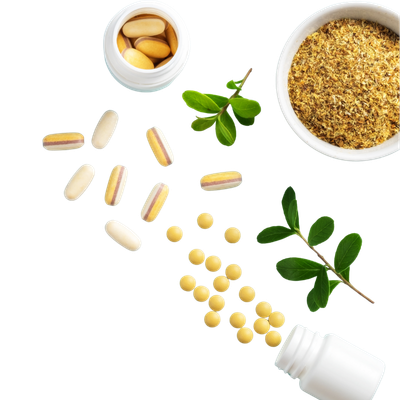
Supplements are optional tools, not a solution. Personal tracking and identifying your individual triggers remains the priority.


Where this information comes from
At MyHistaMap we curate information from peer reviewed research and recognized medical sources. This guide is a reference tool, not a medical prescription. Always track your own reactions and consult your healthcare provider.
References
- Diamine Oxidase Interactions with Anti-Inflammatory and Anti-Migraine Medicines in the Treatment of Migraine, 2023: tested a caffeine-containing drug combination directly against DAO activity in vitro and in human enterocyte cell cultures and found no inhibitory effect, the source for this page's correction of the common 'caffeine blocks DAO' claim.
- Effect of Common Food Additives on Mast Cell Activation, International Journal of Clinical and Cellular Immunology: tested sodium benzoate directly against rat peritoneal mast cells and found it did not stimulate histamine-associated mediator release, and significantly suppressed basal release at several tested concentrations, the source for this page's correction of the 'sodium benzoate as histamine liberator' claim.
- The Effects of Aspartame on Mast Cells and Basophils, Food and Chemical Toxicology, 1986: found aspartame was not a direct mast cell or basophil secretagogue in vitro or via skin testing, and did not affect IgE-mediated histamine release during acute exposure, the source for this page's correction of the aspartame/mast cell claim.