This content is for informational purposes only and does not constitute medical advice. Always consult a qualified healthcare provider before making dietary changes. Histamine tolerance is highly individual.
This information applies to histamine intolerance, DAO deficiency, and MCAS only. If you have a confirmed food allergy, this content does not apply to you. Food allergies involve the immune system and can be life-threatening. Please consult your allergist.
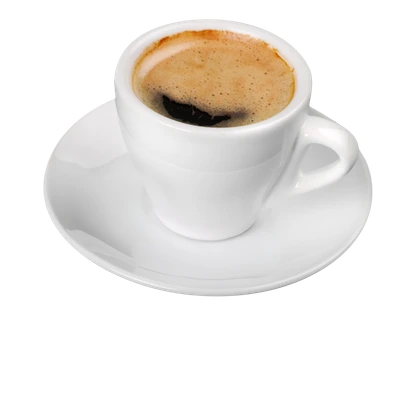
Is Espresso a trigger for histamine intolerance?
Espresso scores a 1 out of 3 on the SIGHI Food Compatibility List, placing it in the Low category.
Espresso & Histamine, what the evidence says
The primary consideration with espresso is caffeine. Caffeine is widely believed online to interfere with DAO, but this specific claim doesn't hold up well under direct testing, the same issue that comes up with other caffeinated drinks. Caffeine's stimulant effects on the nervous system may still influence how some symptoms are experienced, even without a confirmed DAO mechanism.
Espresso also contains salicylates, at concentrations that tend to be moderate rather than clearly high compared to other salicylate-containing foods, along with naturally occurring compounds such as cafestol and kahweol. These diterpenes are present in coffee oils, and their concentration in the final beverage depends substantially on the brewing method. Studies have measured both compounds in espresso, although levels vary between preparations. Their relevance to histamine tolerance specifically has not been well studied.
Espresso can also vary considerably in caffeine and other coffee compounds depending on the beans, roast, grind, and amount of coffee used. This makes individual tolerance difficult to predict from the preparation method alone.
Does preparation change the risk?
The form and quality of espresso can influence its risk profile. Caffeine content isn't well supported as a DAO-related factor, but dairy additions and instant versions may introduce additional considerations.
| Form | Risk Level | Notes |
|---|---|---|
| Pure espresso | Moderate | Contains salicylates and compounds formed during roasting, plus caffeine's stimulant effect |
| Decaf espresso | Low | Removes caffeine's stimulant effect; still contains salicylates and roasting byproducts |
| Espresso macchiato | Moderate | Added dairy introduces a separate consideration on top of espresso's own profile |
| Instant espresso | High | Higher likelihood of mold byproducts due to processing |
Note: Risk levels are based on clinical observations and patient reports, not standardized histamine measurements. Individual tolerance varies.
A food score is a reference, not a verdict.
Histamine intolerance is highly individual. A food that triggers symptoms in one person may be tolerated by another, even within the same category.
Strict elimination may help reduce symptoms initially, but long-term progress often depends on gradual reintroduction and pattern recognition. The goal is not to remove more foods over time, but to understand your personal tolerance and expand your diet when possible.
Tracking symptoms, portions, and context such as stress or timing can provide insights that generalized food lists cannot. This is where informed decisions replace fear-based restriction.
How to test your tolerance
 Strategic timing.
Consider avoiding espresso alongside high-histamine meals, to reduce the overall load your body is processing at once.
 Quality sourcing.
Opt for specialty-grade, high-altitude beans to minimize the risk of mold byproducts, which some sensitive individuals report as a trigger.
 Volume control.
A short espresso extraction contains less total caffeine than filter coffee, which may reduce its stimulant effect for some people, separate from any confirmed DAO mechanism.
 Hydration balance.
Caffeine has a diuretic effect, so drinking water alongside it is generally a good practice.
 Tracking protocol.
Use MyHistaMap to monitor whether caffeine consumption correlates with an increase in symptoms.
Common questions about Espresso and histamine
Is espresso a histamine liberator?
It is not classified as a direct liberator in the primary literature, but its stimulatory effect may exacerbate existing symptoms in some people.
Is decaf espresso a better option?
For many people, yes, mainly because it removes caffeine's stimulant effect rather than a confirmed DAO mechanism, which doesn't hold up well under direct testing. Salicylate content remains similar between regular and decaf.
Does espresso contain mold?
Low-quality coffee can sometimes contain ochratoxin A. Using fresh, high-quality beans generally reduces this risk.
Some people find these options helpful

Supplements are optional tools, not a solution. Personal tracking and identifying your individual triggers remains the priority.

Where this information comes from
At MyHistaMap we curate information from peer reviewed research and recognized medical sources. This guide is a reference tool, not a medical prescription. Always track your own reactions and consult your healthcare provider.
References
- Diamine Oxidase Interactions with Anti-Inflammatory and Anti-Migraine Medicines in the Treatment of Migraine, 2023: tested a caffeine-containing drug combination directly against DAO activity in vitro and in human enterocyte cell cultures and found no inhibitory effect, the source for this page's correction of the common 'caffeine blocks DAO' claim.
- Coffee, IARC Monographs on the Identification of Carcinogenic Hazards to Humans, NCBI Bookshelf: reports methyl salicylate measured at 0 to 8.4 mg/L in instant coffee samples (Swain et al. 1985), a moderate concentration relative to high-salicylate foods, the source for this page's characterization of coffee's salicylate content as moderate rather than clearly high.