This content is for informational purposes only and does not constitute medical advice. Always consult a qualified healthcare provider before making dietary changes. Histamine tolerance is highly individual.
This information applies to histamine intolerance, DAO deficiency, and MCAS only. If you have a confirmed food allergy, this content does not apply to you. Food allergies involve the immune system and can be life-threatening. Please consult your allergist.
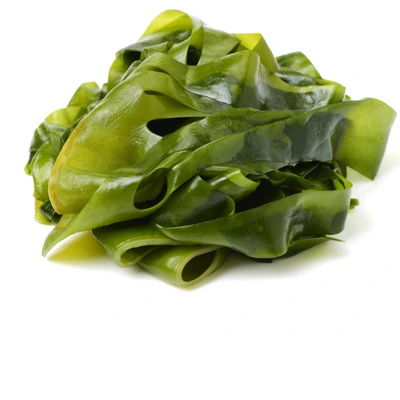
Is Kelp a trigger for histamine intolerance?
Kelp scores a 2 out of 3 on the SIGHI Food Compatibility List, placing it in the Moderate category. It is also classified on some reference lists as a potential histamine liberator. This reflects the reference list's classification rather than a confirmed mast-cell mechanism, since research specifically testing this hasn't provided strong support for it.
A food score is a reference, not a verdict.
Histamine intolerance is highly individual. A food that triggers symptoms in one person may be tolerated by another, even within the same category.
Strict elimination may help reduce symptoms initially, but long-term progress often depends on gradual reintroduction and pattern recognition. The goal is not to remove more foods over time, but to understand your personal tolerance and expand your diet when possible.
Tracking symptoms, portions, and context such as stress or timing can provide insights that generalized food lists cannot. This is where informed decisions replace fear-based restriction.
How to test your tolerance
 Start small.
Begin with a small portion and wait 24-48 hours to observe any symptoms before increasing the amount.
 Track everything.
Note the quantity, preparation method, time of day, and any symptoms. Look for patterns across multiple trials.
 Watch combinations.
Pairing Kelp with other high-histamine foods can create a cumulative effect that a single food test will not reveal.
 Consider your DAO levels.
If you have DAO deficiency, tracking your reactions carefully is especially important.
 Oxalates: Moderate.
Relevant for people with hyperoxaluria or recurrent kidney stones. If you do not have these conditions, oxalates in Kelp are likely not a concern for you.
- Salicylates: Low.
Relevant for people with salicylate sensitivity. Most people tolerate salicylates well, track your personal reaction.
 Lectins: Low.
Lectins may affect gut permeability, which can impact histamine tolerance in some individuals with leaky gut or autoimmune conditions.
- FODMAPs: Low.
Relevant for people with IBS or SIBO. FODMAPs are not directly related to histamine but can cause overlapping symptoms.
Common questions about Kelp and histamine
Is Kelp high in histamine?
Kelp scores 2 out of 3 on the SIGHI Food Compatibility List, placing it in the Moderate category. Tolerance varies significantly from person to person.
Can people with histamine intolerance eat Kelp?
Some people with histamine intolerance tolerate Kelp well, while others react strongly. The recommended approach is gradual reintroduction with personal tracking, rather than permanent avoidance.
Is Kelp a potential histamine liberator?
Kelp is classified on some reference lists as a potential histamine liberator. This reflects the reference list's classification rather than a confirmed mast-cell mechanism, since research specifically testing this hasn't provided strong support for it.
Some people find these options helpful
Support recommendations coming soon for Kelp.