This content is for informational purposes only and does not constitute medical advice. Always consult a qualified healthcare provider before making dietary changes. Histamine tolerance is highly individual.
This information applies to histamine intolerance, DAO deficiency, and MCAS only. If you have a confirmed food allergy, this content does not apply to you. Food allergies involve the immune system and can be life-threatening. Please consult your allergist.
Is Mold Chesses a trigger for histamine intolerance?
Mold Chesses scores a 2 out of 3 on the SIGHI Food Compatibility List, placing it in the Moderate category.
Mold Chesses & Histamine, what the evidence says
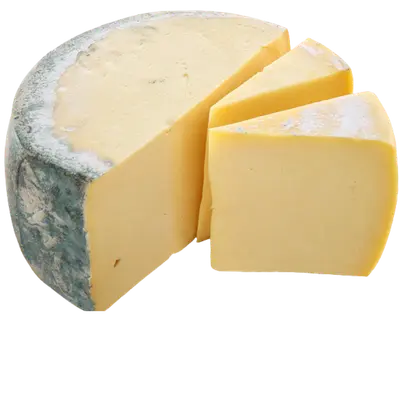
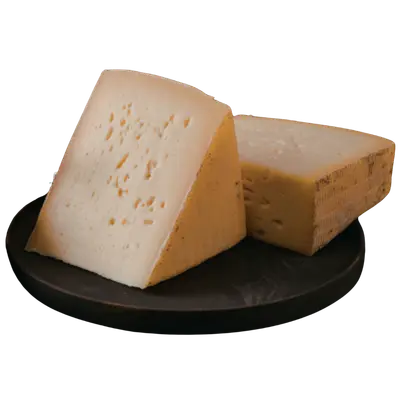
Mold-ripened cheeses like Brie and Camembert get their characteristic texture and flavor from Penicillium cultures introduced onto the surface of the cheese. As the mold grows and the cheese matures, enzymes break down milk proteins into smaller compounds, including amino acids that can later be converted into biogenic amines. Camembert typically ripens in a matter of weeks rather than the many months or years used for hard cheeses such as Parmesan. Measured histamine levels show an important difference here: studies have generally found lower levels in Camembert and other soft mould-ripened cheeses than in heavily aged hard cheeses, although the actual amounts vary considerably between studies, producers, and batches. Even within Camembert, the particular strains of mold and bacteria involved can influence the final amine levels, which helps explain why the same type of cheese can vary from one product to another.
Tyramine is worth considering separately. It is broken down mainly by a different enzyme, monoamine oxidase (MAO), rather than DAO, so it isn't simply another form of histamine competing directly for the same enzyme. At high enough concentrations, however, tyramine and other biogenic amines can affect how the body processes histamine, which means the overall amine load may matter more than the histamine content of a food alone.
Does preparation change the risk?
The type of mold, maturation time, and freshness can all meaningfully influence the histamine load of mold-ripened cheeses. Softer and younger varieties are generally better tolerated than blue-veined or long-aged forms.
| Form | Risk Level | Notes |
|---|---|---|
| Soft ripened (Brie/Camembert) | Moderate | Well tolerated by many in small amounts; contains tyramine |
| Young goat cheese (mold-rind) | Moderate | Freshness and the specific mold strain affect histamine content in a similar way to cow's milk versions |
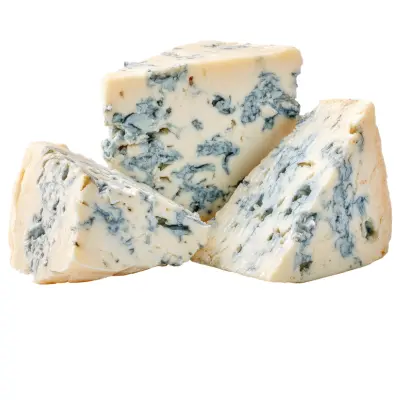
| Blue veined (Gorgonzola/Blue) | High | A different mold and longer aging tend to push measured histamine and tyramine higher than in Brie or Camembert |
| Fresh cream cheese | Low | Unripened, so histamine stays minimal for most people |
| Baked / Melted Brie | Moderate | Heat does not meaningfully destroy amines, so the impact remains moderate |
Note: Risk levels are based on clinical observations and patient reports, not standardized histamine measurements. Individual tolerance varies.
A food score is a reference, not a verdict.
Histamine intolerance is highly individual. A food that triggers symptoms in one person may be tolerated by another, even within the same category.
Strict elimination may help reduce symptoms initially, but long-term progress often depends on gradual reintroduction and pattern recognition. The goal is not to remove more foods over time, but to understand your personal tolerance and expand your diet when possible.
Tracking symptoms, portions, and context such as stress or timing can provide insights that generalized food lists cannot. This is where informed decisions replace fear-based restriction.
How to test your tolerance
 The rind factor.
The highest concentration of histamine and mold tends to be in the white rind. Removing it may meaningfully lower amine intake for sensitive individuals.
 Freshness is key.
Unlike hard cheeses, soft mold-ripened cheeses are generally best consumed close to the purchase date to help limit further amine accumulation.
 Tyramine awareness.
If you're prone to migraines, even a moderate amount of mold-ripened cheese may contribute to symptoms due to its tyramine content.
 The safe window.
Consumption during a flare-up or when your histamine load is already high is generally not recommended, since the combined effect can contribute to a reaction.
 Tracking protocol.
Use the MyHistaMap app to determine your personal threshold. Many people can tolerate a small serving of Brie while reacting to aged cheddar.
Common questions about Mold Chesses and histamine
Is mold-ripened cheese safer than Parmesan?
Generally, yes. Parmesan and other extra-aged hard cheeses are considered higher-risk because they age for 12 to 36 months, whereas Brie typically ages for only a few weeks.
Can I eat the rind of mold-ripened cheese?
While edible, the rind tends to contain the highest concentration of mold and amines. Avoiding it is a common strategy for improving tolerance.
Does mold-ripened cheese contain lactose?
Most mold-ripened cheeses are naturally quite low in lactose, since much of it drains off with the whey or is broken down during the early stages of cheesemaking, making them generally lower in FODMAPs.
What is the best substitute for mold-ripened cheese?
Fresh mozzarella, ricotta, or mascarpone are generally considered lower-risk options, since they are not ripened at all.
Some people find these options helpful

Supplements are optional tools, not a solution. Personal tracking and identifying your individual triggers remains the priority.

Where this information comes from
At MyHistaMap we curate information from peer reviewed research and recognized medical sources. This guide is a reference tool, not a medical prescription. Always track your own reactions and consult your healthcare provider.
References
- Sawilska-Rautenstrauch et al., The range of protein hydrolysis and biogenic amines content in selected acid- and rennet-curd cheeses, 2018: measured multiple biogenic amines, including histamine, tryptamine, and spermidine, across several rennet-curd cheese types, providing context for how histamine and related amines vary by cheese type and production method.
- Biogenic Amines in Camembert: The Impact of Moulds and Coagulants (full author list not available from the listing): studied three strains of Penicillium candidum with differing proteolytic activity and found significant differences in biogenic amine levels between strains, including a significantly higher spermidine content with one strain (TT033) compared to the others, supporting that batch-to-batch variability is tied to the specific mold strain used, not just aging time.
- Sánchez-Pérez et al., The Rate of Histamine Degradation by Diamine Oxidase Is Compromised by Other Biogenic Amines, Frontiers in Nutrition, 2022: found that tyramine measurably slowed DAO's histamine degradation rate in vitro, but only at high concentrations relative to histamine, supporting a secondary rather than primary interaction between the two.