This content is for informational purposes only and does not constitute medical advice. Always consult a qualified healthcare provider before making dietary changes. Histamine tolerance is highly individual.
This information applies to histamine intolerance, DAO deficiency, and MCAS only. If you have a confirmed food allergy, this content does not apply to you. Food allergies involve the immune system and can be life-threatening. Please consult your allergist.
Is Palm oil a trigger for histamine intolerance?
Palm oil scores a 0 out of 3 on the SIGHI Food Compatibility List, placing it in the Safe category.
Palm oil & Histamine, what the evidence says
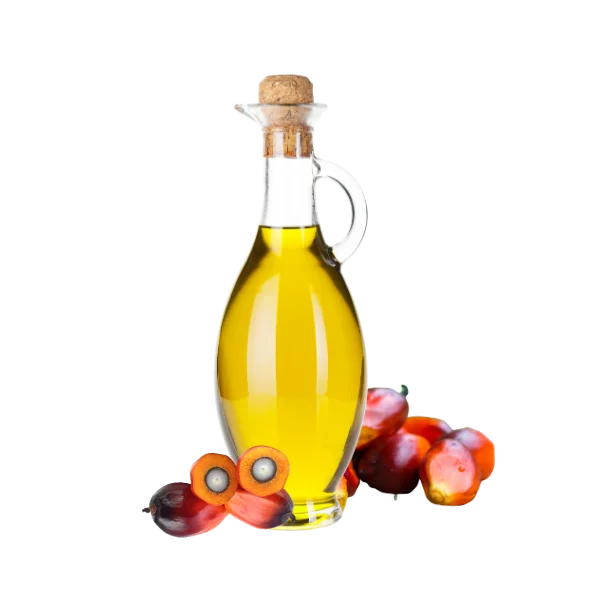
Palm oil is not associated with meaningful histamine content and carries a low salicylate profile as well, making it a fairly neutral option from a histamine intolerance standpoint. Unlike coconut oil, which is dominated by medium-chain fatty acids, palm oil is mostly long-chain fatty acids, primarily palmitic acid, giving it a different fatty acid profile.
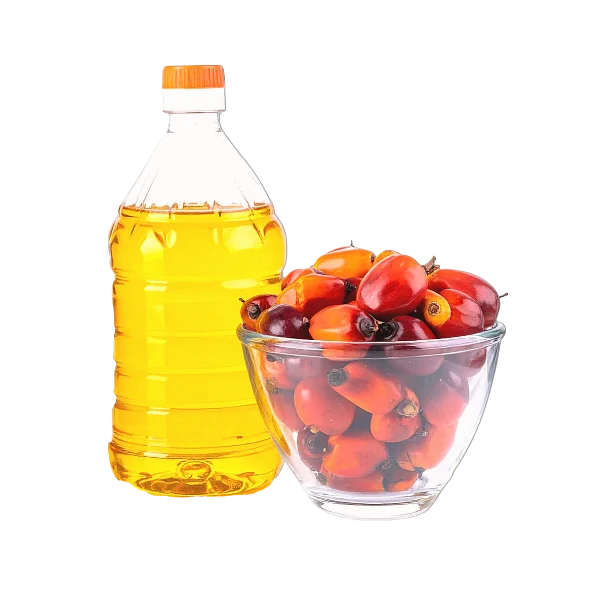
Unrefined, red palm oil is notable for its tocotrienols (a form of vitamin E) and carotenoids, including beta-carotene, which the body can convert to vitamin A. These compounds are largely lost during the refining process used for most palm oil found in processed foods, so this nutritional distinction mainly applies to the less common unrefined form. Outside of histamine considerations, palm oil is often discussed in the context of environmental sustainability because of how it is commonly farmed. This is not a histamine intolerance factor, but it may influence your personal choice of oils.
Does preparation change the risk?
Sourcing and processing are the main variables to be aware of.
| Form | Risk Level | Notes |
|---|---|---|
| Refined palm oil | Low | Standard commercial form; loses most tocotrienols and carotenoids during refining |
| Red palm oil (unrefined) | Low | Same histamine profile as refined; retains more tocotrienols and carotenoids |
| Used in processed foods | Moderate | Consider the other ingredients in the product rather than the palm oil itself |
Note: Risk levels are based on clinical observations and patient reports, not standardized histamine measurements. Individual tolerance varies.
A food score is a reference, not a verdict.
Histamine intolerance is highly individual. A food that triggers symptoms in one person may be tolerated by another, even within the same category.
Strict elimination may help reduce symptoms initially, but long-term progress often depends on gradual reintroduction and pattern recognition. The goal is not to remove more foods over time, but to understand your personal tolerance and expand your diet when possible.
Tracking symptoms, portions, and context such as stress or timing can provide insights that generalized food lists cannot. This is where informed decisions replace fear-based restriction.
How to test your tolerance
 Stable for cooking.
Its high content of long-chain saturated fat makes it stable at higher temperatures.
 Check the rest of the product.
When palm oil appears in processed foods, other ingredients are more likely to be the source of a reaction than the palm oil itself.
 Consider red palm oil for nutrients.
If you are interested in its tocotrienol and carotenoid content, look for unrefined red palm oil specifically, since standard refined palm oil loses most of these compounds.
- Consider sourcing if it matters to you.
Palm oil sustainability is a separate topic from histamine tolerance, but some people prefer to factor it into their choice of oils.
 Track your response if trying it new.
Even well-tolerated oils are worth a brief note in the MyHistaMap app when first introduced.
Common questions about Palm oil and histamine
Is palm oil high in histamine?
No. Palm oil is not associated with meaningful histamine content.
Is palm oil also low in salicylates?
Yes, it carries a low salicylate profile as well, making it a fairly neutral choice overall.
What is the difference between refined and red palm oil?
Refined palm oil, the common form in processed foods, loses most of its tocotrienols and carotenoids during processing. Unrefined red palm oil retains these compounds, though both share the same histamine profile.
Is palm oil recommended on a low-histamine diet?
It is generally considered neutral from a histamine standpoint. Some people factor in other considerations, such as sourcing, when choosing whether to use it.
Some people find these options helpful

Supplements are optional tools, not a solution. Personal tracking and identifying your individual triggers remains the priority.
Where this information comes from
At MyHistaMap we curate information from peer reviewed research and recognized medical sources. This guide is a reference tool, not a medical prescription. Always track your own reactions and consult your healthcare provider.
References
- Malakar, Gibson, Barrett & Muir, Naturally occurring dietary salicylates: A closer look at common Australian foods, Journal of Food Composition and Analysis, 2017: measured salicylic acid across 112 common foods using gas chromatography-mass spectrometry and found salicylates undetected in the oils tested, supporting the low salicylate classification for palm oil on this page.
- Palm oil: a review on nutritional composition, processing, contaminants, and sustainability frameworks in the food system, Frontiers in Plant Science, 2026: confirms that crude, unrefined palm oil is distinctively rich in tocotrienols and carotenoids compared with other vegetable oils, and that refining reduces these bioactive compounds.