This content is for informational purposes only and does not constitute medical advice. Always consult a qualified healthcare provider before making dietary changes. Histamine tolerance is highly individual.
This information applies to histamine intolerance, DAO deficiency, and MCAS only. If you have a confirmed food allergy, this content does not apply to you. Food allergies involve the immune system and can be life-threatening. Please consult your allergist.
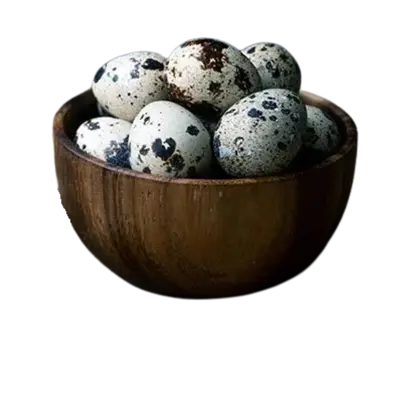
Is Quail eggs a trigger for histamine intolerance?
Quail eggs scores a 0 out of 3 on the SIGHI Food Compatibility List, placing it in the Safe category.
Quail eggs & Histamine, what the evidence says
Quail eggs are generally considered well tolerated from a histamine standpoint and are a useful alternative to chicken eggs. Their protein profile differs from that of chicken eggs, and quail egg proteins have been studied for their effects on mast cell activity. Research has found that quail egg components can inhibit mast cell degranulation through the PAR-2 pathway, which is involved in the inflammatory response triggered by certain allergens. Human studies have also investigated quail egg preparations for allergic rhinitis, though it's worth noting that these trials used concentrated quail egg homogenate or tablets rather than whole eggs eaten as food, so the same effect on seasonal allergies hasn't been directly tested with ordinary boiled quail eggs.
Quail eggs are also a good source of vitamin B12 and iron. Their distinct protein composition makes them a practical alternative for people who don't tolerate chicken eggs well, particularly during an elimination phase. This doesn't mean quail eggs are universally safe for people with egg allergies, but from a histamine perspective they are generally considered a favorable protein choice.
Does preparation change the risk?
Fresh boiled quail eggs are generally the safest and most straightforward form. Pickled or canned versions are generally best avoided, since they tend to become higher-histamine triggers regardless of the egg's original low-risk profile.
| Form | Risk Level | Notes |
|---|---|---|
| Fresh (boiled) | Low | Generally the safest form; helps maintain protein stability |
| Raw (yolk only) | Low | High in lecithin and B-vitamins; generally fine if strictly fresh |
| Pickled / Jars | High | Vinegar and fermentation tend to create a histamine trigger |
| Canned in brine | High | Often contains preservatives like citric acid or sorbates |
| Powdered | Moderate | Higher processing increases the risk of lipid oxidation |
Note: Risk levels are based on clinical observations and patient reports, not standardized histamine measurements. Individual tolerance varies.
A food score is a reference, not a verdict.
Histamine intolerance is highly individual. A food that triggers symptoms in one person may be tolerated by another, even within the same category.
Strict elimination may help reduce symptoms initially, but long-term progress often depends on gradual reintroduction and pattern recognition. The goal is not to remove more foods over time, but to understand your personal tolerance and expand your diet when possible.
Tracking symptoms, portions, and context such as stress or timing can provide insights that generalized food lists cannot. This is where informed decisions replace fear-based restriction.
How to test your tolerance
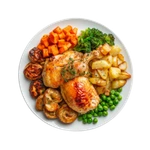 A gentler protein swap.
Quail egg proteins have been studied for their effects on mast cell activity, mostly in concentrated forms rather than whole eggs. Regardless, swapping chicken eggs for 3-4 quail eggs is a substitution some people find easier to tolerate from a histamine standpoint.
 Freshness first.
Even though quail eggs are generally low-risk, an old egg can still accumulate bacteria that produce biogenic amines. Checking the expiration date and making sure shells are intact and clean is a good habit.
 Gentle cooking.
To help preserve the delicate proteins studied for their mast-cell-related effects, avoiding overcooking is generally recommended. Soft-boiling for about 3 minutes tends to preserve more of their properties.
 The vinegar trap.
Pre-peeled quail eggs in jars are generally best avoided, since they're almost always preserved in vinegar or citric acid, which can trigger a reaction fairly quickly.
 Tracking protocol.
Monitor your energy levels and skin. Quail eggs are often tolerated even by those who react to more common staples. Use the MyHistaMap app to confirm how they work for you.
Common questions about Quail eggs and histamine
Are quail eggs better than chicken eggs for histamine intolerance?
For many people, yes. Chicken egg whites are considered histamine liberators, while quail eggs, both whites and yolks, are generally low-risk and may even offer some anti-inflammatory potential.
Do quail eggs contain cholesterol?
Yes, they're nutrient-dense. For those managing histamine intolerance, they provide fats and B-vitamins without the specific proteins associated with liberator activity in chicken egg whites.
How many quail eggs equal one chicken egg?
Usually, 4 to 5 quail eggs equal one large chicken egg. You can generally substitute them by total weight in most recipes.
Can quail eggs help with seasonal allergies?
There's a growing body of clinical research on this, but it's specifically on concentrated quail egg homogenate or tablets, combined with zinc, not on eating whole quail eggs as food. Those studies found improvements in allergic rhinitis (hay fever) symptoms, likely related to the same proteins studied for their effect on mast cells. This doesn't apply to people with an egg allergy, who should avoid quail eggs just as they would other eggs.
Some people find these options helpful
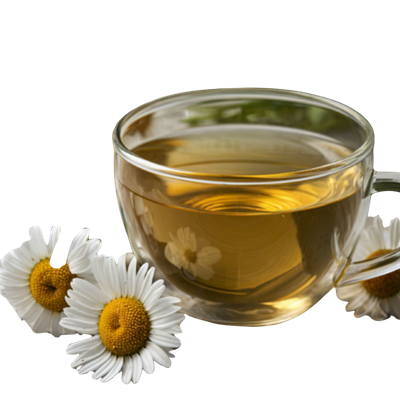
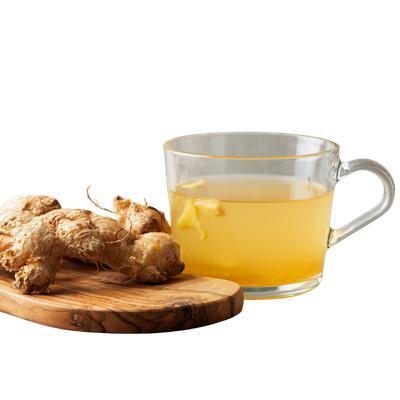
Supplements are optional tools, not a solution. Personal tracking and identifying your individual triggers remains the priority.
Where this information comes from
At MyHistaMap we curate information from peer reviewed research and recognized medical sources. This guide is a reference tool, not a medical prescription. Always track your own reactions and consult your healthcare provider.
References
- Lianto et al., Inhibitory effects of quail egg on mast cells degranulation by suppressing PAR2-mediated MAPK and NF-kB activation, Food & Nutrition Research, 2018: found in a mouse model and mast cell line that quail egg, particularly the albumen, suppressed mast cell degranulation by blocking PAR-2 receptor activation, the basis for the mast cell mechanism described on this page.
- Antonelli, Mazzoleni & Donelli, Quail Egg-Based Supplements in Allergic Rhinitis: A Systematic Review of Clinical Studies, Nutrients, 2025: reviewed five human clinical studies (40 to 180 participants each), all using concentrated quail egg homogenate or tablets rather than whole eggs, and found that these supplements, usually combined with zinc, improved allergic rhinitis symptoms, while noting they should be avoided by people with egg allergies.
- Benichou et al., A proprietary blend of quail egg for the attenuation of nasal provocation with a standardized allergenic challenge: a randomized, double-blind, placebo-controlled study, Food Science & Nutrition, 2014: found in a randomized controlled trial that a quail egg supplement reduced nasal allergy symptoms after an allergen challenge compared with placebo.