This content is for informational purposes only and does not constitute medical advice. Always consult a qualified healthcare provider before making dietary changes. Histamine tolerance is highly individual.
This information applies to histamine intolerance, DAO deficiency, and MCAS only. If you have a confirmed food allergy, this content does not apply to you. Food allergies involve the immune system and can be life-threatening. Please consult your allergist.
Is Soy sauce a trigger for histamine intolerance?
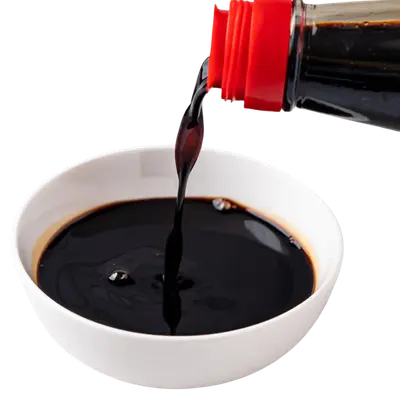
Soy sauce scores a 3 out of 3 on the SIGHI Food Compatibility List, placing it in the High category.
Soy sauce & Histamine, what the evidence says
Soy sauce is one of the more challenging foods for those managing histamine intolerance. Because it's produced through a long fermentation process, often lasting months or even years, it can accumulate substantial levels of histamine and other biogenic amines, like tyramine. Direct laboratory analyses of commercial soy sauce have found histamine levels varying widely between products, reflecting differences in fermentation conditions, ingredients, and production methods.
The breakdown of soy and wheat proteins during fermentation provides the amino acids that microorganisms can convert into biogenic amines. Because these amines are already present in the finished sauce, cooking does not reliably remove them. Even small amounts can therefore contribute meaningfully to the overall amine exposure for someone who is particularly sensitive.
Beyond histamine, traditional soy sauce contains gluten and can also contain fermentable carbohydrates, oxalates, and salicylates. The exact profile depends on the ingredients and production method, so these considerations can vary between products.
Does preparation change the risk?
Most forms of soy sauce carry a significant histamine risk due to the fermentation process. The main alternative many sensitive individuals turn to is coconut aminos.
| Form | Risk Level | Notes |
|---|---|---|
| Traditional soy sauce | High | Contains gluten, fermentable carbohydrates, and biogenic amines that vary by product |
| Tamari (gluten-free) | High | Wheat-free, but amine levels can remain high depending on the product |
| Coconut aminos | Low | A commonly preferred alternative: gluten-free and generally lower in biogenic amines |
| Low-sodium soy sauce | High | Reducing salt doesn't lower the histamine, gluten, or fermentable carbohydrate content |
Note: Risk levels are based on clinical observations and patient reports, not standardized histamine measurements. Individual tolerance varies.
A food score is a reference, not a verdict.
Histamine intolerance is highly individual. A food that triggers symptoms in one person may be tolerated by another, even within the same category.
Strict elimination may help reduce symptoms initially, but long-term progress often depends on gradual reintroduction and pattern recognition. The goal is not to remove more foods over time, but to understand your personal tolerance and expand your diet when possible.
Tracking symptoms, portions, and context such as stress or timing can provide insights that generalized food lists cannot. This is where informed decisions replace fear-based restriction.
How to test your tolerance
 Switch to coconut aminos.
This is generally the gentler swap: it provides a similar savory flavor without the gluten, fermentable carbohydrates, or higher amine load.
 Approach with caution during elimination.
Given its generally higher risk profile, many people choose to avoid soy sauce entirely during the early stages of a low-histamine approach.
 Check for gluten and fructans.
If you're sensitive to wheat derivatives, traditional soy sauce presents a double consideration due to both gluten and fermentable carbohydrate content.
 Be mindful of oxalates.
Since soy sauce can contain oxalates, it's worth monitoring for those following a low-oxalate approach.
 Use salt for seasoning.
High-quality sea salt can provide flavor without the complex mix of amines and salicylates found in soy sauce.
Common questions about Soy sauce and histamine
Why is soy sauce so high in histamine?
The long fermentation process allows microorganisms to convert amino acids from soy and wheat into biogenic amines, including histamine and tyramine. Levels vary considerably between products depending on fermentation conditions and production method.
Does soy sauce contain gluten?
Yes. Traditional soy sauce is brewed with wheat. For a gluten-free option, tamari is an alternative, though its amine levels can still be high depending on the product.
Are there FODMAPs in soy sauce?
Yes, it can contain fermentable carbohydrates from the wheat and soy used in production.
Can I cook with soy sauce to lower the histamine?
Not really. Biogenic amines are heat-stable and aren't broken down by boiling, stir-frying, or baking.
Some people find these options helpful

Supplements are optional tools, not a solution. Personal tracking and identifying your individual triggers remains the priority.

Where this information comes from
At MyHistaMap we curate information from peer reviewed research and recognized medical sources. This guide is a reference tool, not a medical prescription. Always track your own reactions and consult your healthcare provider.
References
- Biogenic Amines in Chinese Soy Sauce, Food Control: analyzed 40 commercial soy sauce samples and found histamine in 92.5% of them, with 16 of the 40 samples exceeding the recommended 100 mg/kg histamine limit. This is the source for the variability and food-safety-threshold information referenced on this page.
- Dynamic Changes in Biogenic Amine Content in the Traditional Brewing Process of Soy Sauce: measured histamine and tyramine reaching peak concentrations of roughly 487 mg/L and 181 mg/L respectively during fermentation, confirming that soy and wheat protein breakdown during brewing generates substantial biogenic amines. This is the source for the fermentation mechanism referenced on this page.