This content is for informational purposes only and does not constitute medical advice. Always consult a qualified healthcare provider before making dietary changes. Histamine tolerance is highly individual.
This information applies to histamine intolerance, DAO deficiency, and MCAS only. If you have a confirmed food allergy, this content does not apply to you. Food allergies involve the immune system and can be life-threatening. Please consult your allergist.
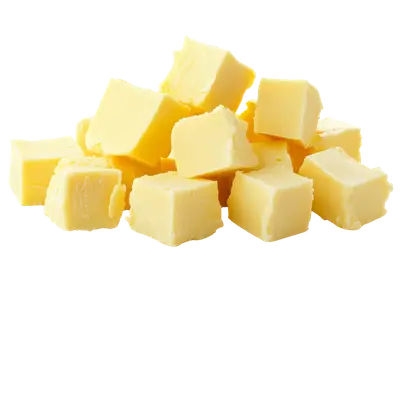
Is Sweet cream butter a trigger for histamine intolerance?
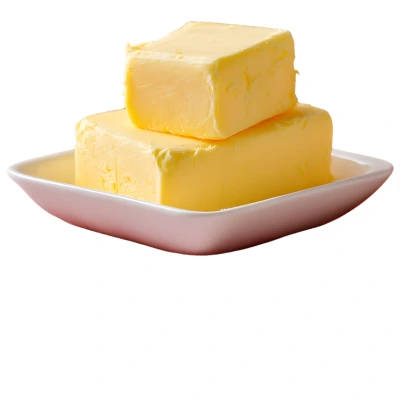
Sweet cream butter scores a 0 out of 3 on the SIGHI Food Compatibility List, placing it in the Safe category.
Sweet cream butter & Histamine, what the evidence says
Sweet cream butter is generally considered low-risk because it's a fresh, non-fermented fat source. Unlike cultured or sour cream butter, which undergoes bacterial fermentation that can produce biogenic amines, sweet cream butter is made by churning fresh cream, usually after pasteurization. It contains very little protein compared with milk or cream, so its histamine profile is largely determined by its freshness and production method rather than by fermentation.
Butter is primarily a source of fat and also naturally contains small amounts of butyrate, a short-chain fatty acid. Butyrate is well studied for its role as an energy source for colonocytes and for supporting intestinal barrier function, but most of this research concerns butyrate produced in the colon when gut bacteria ferment dietary fiber. Butyrate consumed directly in butter is handled differently in the digestive tract, so it shouldn't automatically be assumed to produce the same effects in the colon. Butter also contains small amounts of milk proteins and lactose, although much less than milk itself. This makes butter different from fresh milk for people who react to dairy, but it does not make it suitable for someone with a true milk-protein allergy.
Ghee can have a similarly low-histamine profile when it is made directly from fresh, unfermented cream. However, production methods vary: some traditional methods begin with fermented cream or cultured curd before the butterfat is clarified. In those cases, the fermentation process can contribute to a higher biogenic amine content, so the starting material and production method matter when choosing ghee.
Does preparation change the risk?
Sweet cream butter is generally the gentlest dairy fat option. The key distinction to make on labels is whether the product has been fermented; any mention of cultures or lactic acid changes the risk profile meaningfully.
| Form | Risk Level | Notes |
|---|---|---|
| Sweet cream butter | Low | Fresh, non-fermented; generally the gentlest low-histamine fat |
| Cultured butter | Moderate | The fermentation process introduces biogenic amines |
| Ghee (clarified) | Low | Low-risk when made from unfermented sweet cream butter; some traditional methods start from fermented cream or curd instead, which raises the amine content |
| Salted butter | Low | Salt doesn't affect histamine levels, though quality varies by brand |
| Spreadable blends | Low | Often contains vegetable oils or stabilizers that may act as irritants for some people |
Note: Risk levels are based on clinical observations and patient reports, not standardized histamine measurements. Individual tolerance varies.
A food score is a reference, not a verdict.
Histamine intolerance is highly individual. A food that triggers symptoms in one person may be tolerated by another, even within the same category.
Strict elimination may help reduce symptoms initially, but long-term progress often depends on gradual reintroduction and pattern recognition. The goal is not to remove more foods over time, but to understand your personal tolerance and expand your diet when possible.
Tracking symptoms, portions, and context such as stress or timing can provide insights that generalized food lists cannot. This is where informed decisions replace fear-based restriction.
How to test your tolerance
 Cultured vs. sweet.
Checking the label helps. If it mentions cultures, starter, or lactic acid, it's a fermented product, and sweet cream versions are generally the gentler choice.
 Check how your ghee was made.
Some traditional ghee-making methods start with fermented cream or curd, which can carry more biogenic amines. Ghee made directly from fresh, unfermented sweet cream butter is the lower-risk option if you're unsure.
 Rancidity check.
Fat oxidation (rancidity) can be irritating for some people. Storing butter in airtight containers and consuming it while fresh helps limit this.
 Clarification option.
If sensitive to trace casein or lactose, converting sweet cream butter into ghee removes most of the remaining milk solids.
 Additive awareness.
Butter-flavored spreads or margarines are worth avoiding, since synthetic diacetyl and other flavorings can be triggers for some sensitive individuals.
 Tracking protocol.
Use the MyHistaMap app to confirm that fresh fats remain a comfortable caloric base during the elimination phase.
Common questions about Sweet cream butter and histamine
Why is sweet cream butter often better tolerated than margarine?
Margarine often contains hydrogenated oils, emulsifiers, and preservatives that some find harder on the gut, whereas butter is a minimally processed animal fat.
Does sweet cream butter contain lactose?
It contains only trace amounts. Most individuals with lactose intolerance tolerate butter fairly well, since most of the lactose is removed with the buttermilk during churning.
Can sweet cream butter cause a skin reaction?
Unless there's an underlying dairy allergy, sweet cream butter is unlikely to cause skin issues. That said, rancid butter can contribute to oxidative stress for some people.
Is all ghee low in histamine?
Not necessarily. Ghee made directly from fresh, unfermented sweet cream butter is generally low-risk, but some traditional production methods start with fermented cream or curd, which can carry meaningfully more histamine.
Is organic sweet cream butter better?
Organic butter generally has fewer pesticide residues, which some sensitive individuals find preferable.
Some people find these options helpful
Supplements are optional tools, not a solution. Personal tracking and identifying your individual triggers remains the priority.

Where this information comes from
At MyHistaMap we curate information from peer reviewed research and recognized medical sources. This guide is a reference tool, not a medical prescription. Always track your own reactions and consult your healthcare provider.
References
- SIGHI (Swiss Interest Group Histamine Intolerance) Food Compatibility List, version 2024-08-29: rates sweet cream butter 0 ("not fermented with bacteria"), cultured/mildly soured butter 1 marked H and A, and ghee 1 with the note "Histamine content depends on the production method," the basis for the classifications and production-method caveat used on this page.
- Ghee, ScienceDirect Topics (Agricultural and Biological Sciences): describes that ghee can be produced either directly from unfermented cream or, in some traditional methods, from cream ripened with a lactose-fermenting starter culture before churning and clarification, supporting the production-method distinction described on this page.
- Why Butyrate Foods Are Essential to Gut Health, Levels: explains that butyrate from bacterial fermentation of dietary fiber in the colon is produced and absorbed there over a prolonged period, while much dietary or supplemental butyrate is absorbed in the small intestine before it reaches the colon, supporting the distinction made on this page between colonic and dietary butyrate.