This content is for informational purposes only and does not constitute medical advice. Always consult a qualified healthcare provider before making dietary changes. Histamine tolerance is highly individual.
This information applies to histamine intolerance, DAO deficiency, and MCAS only. If you have a confirmed food allergy, this content does not apply to you. Food allergies involve the immune system and can be life-threatening. Please consult your allergist.
Is Olive oil a trigger for histamine intolerance?
Olive oil scores a 0 out of 3 on the SIGHI Food Compatibility List, placing it in the Safe category.
Olive oil & Histamine, what the evidence says
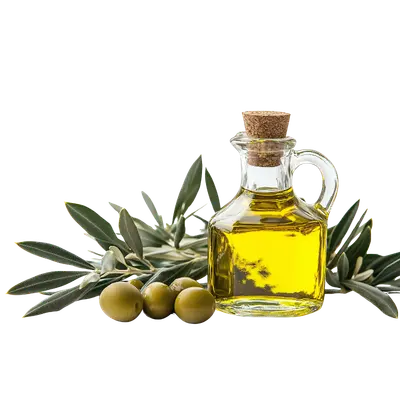
Extra virgin olive oil (EVOO) is generally considered a low-risk fat for people with histamine intolerance. It does not naturally contain meaningful amounts of histamine, and fresh, properly stored olive oil is not a significant source of biogenic amines. High-quality EVOO is also rich in polyphenols. Oleocanthal, the compound responsible for its characteristic peppery, throat-catching sensation, has anti-inflammatory activity in laboratory studies through pathways involving COX enzymes. Other olive oil polyphenols, including hydroxytyrosol and oleuropein, have also been studied for their effects on mast cell activity, although most of this evidence comes from laboratory or experimental research rather than human trials.
Salicylates are a separate consideration for people who specifically react to them. Olive oil contains salicylates, but the amount reported varies considerably between sources and depends on the type of oil and serving size, so it is more useful to treat this as an individual variable than to classify EVOO as uniformly high in salicylates.
Quality and storage are also worth considering. Olive oil is susceptible to oxidation when exposed to heat, light, or air. Rancid oil contains oxidation products that can affect its quality and may be irritating, but this is a separate issue from histamine itself.
Does preparation change the risk?
The quality, freshness, and any added ingredients are the most relevant factors when choosing olive oil. Infusions and rancidity are the main considerations for sensitive individuals.
| Form | Risk Level | Notes |
|---|---|---|
| Extra virgin (EVOO) | Low | Generally the safest form; highest in protective polyphenols |
| Refined olive oil | Moderate | Fewer nutrients and polyphenols; lower anti-inflammatory benefit |
| Infused oils (garlic/chili) | High | Infusions with garlic or hot peppers add higher FODMAPs or irritants |
| Rancid / Old oil | Moderate | Oxidized fats may contribute to inflammation; check best-by dates |
| Olive oil blends | Moderate | Often mixed with high-linoleic seed oils, which tend to be more pro-inflammatory |
Note: Risk levels are based on clinical observations and patient reports, not standardized histamine measurements. Individual tolerance varies.
A food score is a reference, not a verdict.
Histamine intolerance is highly individual. A food that triggers symptoms in one person may be tolerated by another, even within the same category.
Strict elimination may help reduce symptoms initially, but long-term progress often depends on gradual reintroduction and pattern recognition. The goal is not to remove more foods over time, but to understand your personal tolerance and expand your diet when possible.
Tracking symptoms, portions, and context such as stress or timing can provide insights that generalized food lists cannot. This is where informed decisions replace fear-based restriction.
How to test your tolerance
 Choose dark glass bottles.
Light and heat can degrade the protective polyphenols and speed up rancidity. Clear plastic or glass bottles are generally best avoided.
 Check the harvest date.
Looking for the most recent harvest possible is generally a good idea. Freshness tends to be the best indicator of both flavor and anti-inflammatory potential.
 Avoid high-heat frying.
While olive oil has a decent smoke point, overheating it can degrade its beneficial compounds. Using it for low-to-medium heat cooking or as a finishing oil may help preserve more of them.
- Seal tight after use.
Oxygen tends to speed up oxidation, so keeping the cap tightly closed helps protect the delicate fatty acids.
 Test your salicylate limit.
If you react to olive oil despite its generally low-risk status, trying rice bran oil or lard temporarily may help you see if salicylates are a hidden trigger for you.
 Tracking protocol.
Track your response carefully. Note the form, quantity, and timing. Look for patterns across multiple trials using the MyHistaMap app.
Common questions about Olive oil and histamine
Does olive oil contain DAO?
No, but its antioxidant content may help reduce overall inflammatory load, which some believe makes it easier for your existing DAO to do its job.
Is olive oil low FODMAP?
Yes. Pure fats like olive oil contain no carbohydrates, so they're generally considered FODMAP-friendly.
Why does my throat burn when I swallow olive oil?
That peppery kick is generally a sign of higher oleocanthal levels, a potent anti-inflammatory compound. It's usually considered a mark of quality rather than a histamine reaction.
Can I use olive oil if I have a nut allergy?
Generally, yes. Olives are stone fruits (drupes), not nuts. That said, it's still worth checking for cross-contamination in facilities that process both.
Some people find these options helpful

Supplements are optional tools, not a solution. Personal tracking and identifying your individual triggers remains the priority.
Where this information comes from
At MyHistaMap we curate information from peer reviewed research and recognized medical sources. This guide is a reference tool, not a medical prescription. Always track your own reactions and consult your healthcare provider.
References
- Hydroxytyrosol and oleuropein of olive oil inhibit mast cell degranulation induced by immune and non-immune pathways, Journal of Nutritional Biochemistry, 2014: found that hydroxytyrosol and oleuropein, two major olive oil phenols, inhibited mast cell degranulation in laboratory studies, the basis for the mast cell claim on this page.
- Molecular mechanisms of inflammation: Anti-inflammatory benefits of virgin olive oil and the phenolic compound oleocanthal: describes oleocanthal's anti-inflammatory activity as working mainly through inhibition of cyclooxygenase (COX) enzymes, similar to ibuprofen.
- Kęszycka, Szkop & Gajewska, Overall Content of Salicylic Acid and Salicylates in Food Available on the European Market, Journal of Agricultural and Food Chemistry, 2017: measured undetectable to negligible free salicylate levels in tested oils, illustrating why olive oil's salicylate content is inconsistently reported across sources and best treated as variable rather than uniformly high.