This content is for informational purposes only and does not constitute medical advice. Always consult a qualified healthcare provider before making dietary changes. Histamine tolerance is highly individual.
This information applies to histamine intolerance, DAO deficiency, and MCAS only. If you have a confirmed food allergy, this content does not apply to you. Food allergies involve the immune system and can be life-threatening. Please consult your allergist.
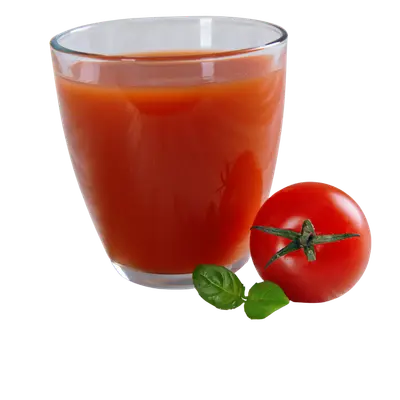
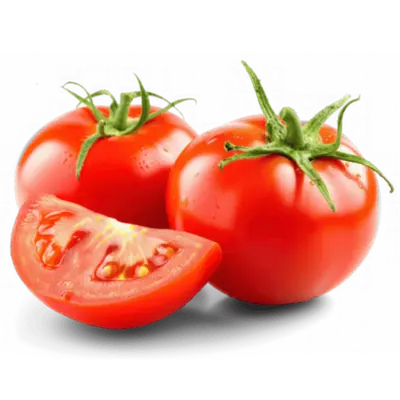
Is Tomato juice a trigger for histamine intolerance?
Tomato juice scores a 2 out of 3 on the SIGHI Food Compatibility List, placing it in the Moderate category. It is also classified on some reference lists as a potential histamine liberator. This reflects the reference list's classification rather than a confirmed mast-cell mechanism, since research specifically testing this hasn't provided strong support for it.
Tomato juice & Histamine, what the evidence says
Tomato juice may be relevant for people who react to histamine even though the amount of pre-formed histamine in the juice itself has not been well established. Whole tomatoes have been found to contain measurable histamine, while direct measurements of tomato juice are much more limited. This makes it difficult to assume that the histamine content of the whole fruit applies directly to the juice.
Tomato juice also contains naturally occurring salicylates, which are a separate consideration for people who track salicylate sensitivity alongside histamine. As a tomato-based product, it also contains naturally occurring alkaloids found in nightshade vegetables, although evidence connecting these compounds specifically to histamine intolerance is limited. These are therefore better considered separately from histamine rather than assumed to be part of the same mechanism.
Does preparation change the risk?
Most forms of tomato juice carry a moderate to higher histamine risk. Concentration and processing tend to increase the amine load compared to fresh tomatoes.
| Form | Risk Level | Notes |
|---|---|---|
| Commercial bottled | Moderate | Often contains additional additives on top of the tomato itself |
| Freshly squeezed | Moderate | Fewer additives than bottled, but the liberator consideration still applies |
| Tomato paste / Puree | High | Highly concentrated; often triggers stronger reactions |
| Bloody Mary mix | High | Mixed with fermented ingredients, which raises the overall risk |
| Yellow tomato juice | Moderate | Slightly lower acidity, but salicylate and liberator considerations remain relevant |
Note: Risk levels are based on clinical observations and patient reports, not standardized histamine measurements. Individual tolerance varies.
A food score is a reference, not a verdict.
Histamine intolerance is highly individual. A food that triggers symptoms in one person may be tolerated by another, even within the same category.
Strict elimination may help reduce symptoms initially, but long-term progress often depends on gradual reintroduction and pattern recognition. The goal is not to remove more foods over time, but to understand your personal tolerance and expand your diet when possible.
Tracking symptoms, portions, and context such as stress or timing can provide insights that generalized food lists cannot. This is where informed decisions replace fear-based restriction.
How to test your tolerance
 The liberator effect.
Tomato juice is thought to prompt your immune system to release its own histamine, which can lead to a somewhat delayed reaction compared to foods containing only ingested histamine.
 Salicylate sensitivity.
Tomatoes are among the higher sources of salicylates. If you experience tinnitus or skin flushing, a salicylate reaction may be worth considering alongside histamine.
 Thermal stability.
Histamine isn't destroyed by heat, so boiling or pasteurizing tomato juice doesn't make it meaningfully gentler for histamine-sensitive individuals.
 Check for other additives.
Commercial juices can contain added salt, flavorings, or other vegetable juices blended in, which are worth checking on the label separately from the tomato itself.
 Tracking protocol.
Use the MyHistaMap app to monitor the speed of your reaction. Liquids tend to be absorbed faster, sometimes leading to symptoms within 20 to 60 minutes.
Common questions about Tomato juice and histamine
Is tomato juice safer than fresh tomatoes?
Not necessarily. Both share the same liberator and salicylate considerations, and fresh, whole tomatoes have better-documented histamine measurements than juice specifically.
Can I offset tomato juice with DAO?
Taking DAO enzymes may help with the ingested histamine, but it won't stop the liberator effect, the internal release triggered by the tomato itself.
Does tomato juice contain oxalates?
Yes, it has a moderate oxalate load. This isn't usually a primary concern, but it's relevant for those prone to kidney stones.
What is a lower-risk alternative to tomato juice?
Freshly juiced red bell peppers, if tolerated, or beetroot juice can offer a similar color and savory profile with less amine load.
Some people find these options helpful

Supplements are optional tools, not a solution. Personal tracking and identifying your individual triggers remains the priority.

Where this information comes from
At MyHistaMap we curate information from peer reviewed research and recognized medical sources. This guide is a reference tool, not a medical prescription. Always track your own reactions and consult your healthcare provider.
References
- SIGHI (Swiss Interest Group Histamine Intolerance) Food Compatibility List, version 2024-08-29: rates tomato juice 2, marked L (liberator), without the H (rich in histamine) designation given to whole tomato, supporting the distinction made on this page between the juice's liberator classification and its less-established preformed histamine content.
- Simple and Reliable Determination of the Histamine Content of Selected Greek Vegetables and Related Products in the Frame of "Low Histamine Diet", Foods, 2022: measured histamine in fresh tomatoes and tomato-based products at 0.8 to 10.6 mg/kg, illustrating the kind of direct measurement that is more limited for tomato juice specifically compared with the whole fruit.