This content is for informational purposes only and does not constitute medical advice. Always consult a qualified healthcare provider before making dietary changes. Histamine tolerance is highly individual.
This information applies to histamine intolerance, DAO deficiency, and MCAS only. If you have a confirmed food allergy, this content does not apply to you. Food allergies involve the immune system and can be life-threatening. Please consult your allergist.
Is Verbena herbal tea a trigger for histamine intolerance?
Verbena herbal tea scores a 0 out of 3 on the SIGHI Food Compatibility List, placing it in the Safe category.
Verbena herbal tea & Histamine, what the evidence says
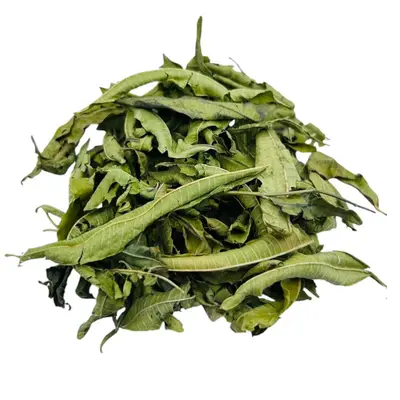
Verbena tea is generally considered a low-risk herbal infusion and provides an alternative to fermented or caffeinated teas. Lemon verbena contains several compounds, including citral in its essential oil and the polyphenol verbascoside, which have been studied for antioxidant, anxiolytic, and sedative effects. Human studies have also reported improvements in sleep and anxiety with standardized lemon verbena extracts, although these studies used concentrated preparations rather than ordinary tea infusions.
Whether these effects translate into fewer histamine-related symptoms specifically has not been established. Any calming or sleep-related effects are therefore better understood as general properties of lemon verbena rather than as a proven histamine mechanism.
Separately, verbena is naturally caffeine-free and doesn't contain the polyphenols found in Camellia sinensis (black and green tea) that some sources associate with affecting DAO enzyme activity, though this specific mechanism isn't well established in the research we reviewed. This makes verbena a reasonable caffeine-free alternative to fermented teas without introducing that particular uncertainty.
Does preparation change the risk?
Most pure forms of verbena are generally well tolerated. The main consideration comes from commercial blends that add hibiscus, rosehips, or artificial flavors, which are more commonly flagged as histamine considerations on their own.
| Form | Risk Level | Notes |
|---|---|---|
| Dried leaves (loose) | Low | Generally the best quality; helps avoid cross-contamination |
| Tea bags (organic) | Low | Generally fine if the bag is plastic-free and bleach-free |
| Fresh leaves | Low | Highest essential oil content (citral); often quite soothing |
| Blends (mixed) | High | Often mixed with hibiscus or flavors that are more commonly flagged as histamine considerations |
| Essential oil | High | Too concentrated; can be a strong mucosal irritant |
Note: Risk levels are based on clinical observations and patient reports, not standardized histamine measurements. Individual tolerance varies.
A food score is a reference, not a verdict.
Histamine intolerance is highly individual. A food that triggers symptoms in one person may be tolerated by another, even within the same category.
Strict elimination may help reduce symptoms initially, but long-term progress often depends on gradual reintroduction and pattern recognition. The goal is not to remove more foods over time, but to understand your personal tolerance and expand your diet when possible.
Tracking symptoms, portions, and context such as stress or timing can provide insights that generalized food lists cannot. This is where informed decisions replace fear-based restriction.
How to test your tolerance
 The nighttime anchor.
Some people find verbena helpful in the evening. It's caffeine-free and contains compounds studied for sedative effects, though most of that evidence comes from concentrated extracts rather than a cup of tea.
 Check the ingredients.
Many commercial lemon verbena teas contain hibiscus or rosehips for color, both of which are more commonly flagged as histamine considerations. Checking that your verbena is 100% pure helps.
 Temperature control.
Steeping in water that has just reached a boil (around 90°C) for 5-7 minutes is generally recommended. Over-steeping can release bitter tannins that, while not harmful, may be uncomfortable for a sensitive stomach.
 Pairing option.
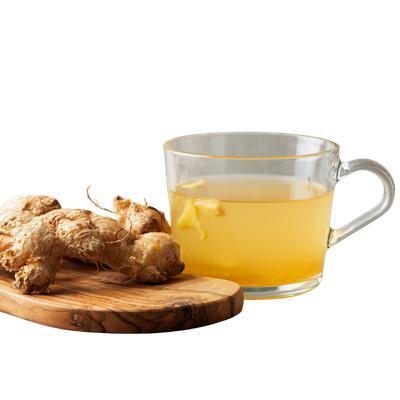
Pairing with a slice of fresh ginger, if your gut tolerance allows, is a combination some people find comfortable.
 Tracking protocol.
Notice your heart rate and skin response after consumption. Use MyHistaMap to see how it fits into your routine.
Common questions about Verbena herbal tea and histamine
Does verbena tea contain caffeine?
No. Verbena is naturally caffeine-free, which is relevant since caffeine stimulates the nervous system and bowel in a way that some sources associate with mast cell activation.
Is verbena tea safe for MCAS patients?
It's generally considered one of the gentler herbal teas, given its caffeine-free profile and lack of biogenic amines, though individual tolerance still varies.
Can verbena tea help with digestive bloating?
Verbena has a long tradition of use for digestive complaints, though the specific evidence for bloating relief mostly comes from concentrated extracts rather than tea infusions.
What is the difference between lemon verbena and common verbena?
Both are generally low-risk. Lemon verbena (Aloysia citrodora) is more common for its pleasant citrus flavor, while common verbena (Verbena officinalis) is more medicinal and bitter. Both are generally considered suitable for this approach.
Some people find these options helpful
Supplements are optional tools, not a solution. Personal tracking and identifying your individual triggers remains the priority.

Where this information comes from
At MyHistaMap we curate information from peer reviewed research and recognized medical sources. This guide is a reference tool, not a medical prescription. Always track your own reactions and consult your healthcare provider.
References
- Dietary Supplementation with an Extract of Aloysia citrodora (Lemon Verbena) Improves Sleep Quality in Healthy Subjects: A Randomized Double-Blind Controlled Study: found that a standardized lemon verbena extract, taken over an extended period, improved sleep quality in healthy subjects, an effect attributed to verbascoside. The study used a concentrated, standardized extract rather than tea. This is the source for the human sleep-quality finding referenced on this page.
- Aloysia citrodora Paláu (Lemon Verbena): A Review of Phytochemistry and Pharmacology: confirms that lemon verbena's anxiolytic, sedative, antioxidant, and neuroprotective effects have mainly been demonstrated in cell cultures and animal studies, and explicitly notes that the plant has not been fully assessed for safety and efficacy in humans. This is the source for the phytochemistry and evidence-quality distinction referenced on this page.