This content is for informational purposes only and does not constitute medical advice. Always consult a qualified healthcare provider before making dietary changes. Histamine tolerance is highly individual.
This information applies to histamine intolerance, DAO deficiency, and MCAS only. If you have a confirmed food allergy, this content does not apply to you. Food allergies involve the immune system and can be life-threatening. Please consult your allergist.
Is Algae and algae derivatives a trigger for histamine intolerance?
Algae and algae derivatives scores a 3 out of 3 on the SIGHI Food Compatibility List, placing it in the High category. It is also classified on some reference lists as a potential histamine liberator. This reflects the reference list's classification rather than a confirmed mast-cell mechanism, since research specifically testing this hasn't provided strong support for it.
Algae and algae derivatives & Histamine, what the evidence says
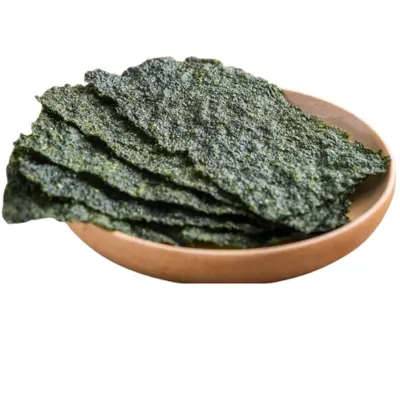
This page covers seaweed and algae broadly, including terms sometimes listed separately, such as brown algae, green algae, red algae, kelp, and general seaweed or algae derivatives. These all share the same histamine classification in reference sources, so they're consolidated here into one entry. Kombu, nori, and wakame are covered separately, since their iodine content differs enough between species to be worth a dedicated page.
Seaweed is more complex than it might seem. Besides containing histamine, some reference sources classify it as a potential histamine liberator, meaning it may prompt mast cells to release histamine already stored in the body. While this mechanism hasn't been fully proven, it could help explain, at least in part, why some people react more than the food's histamine content alone would suggest.
Different species can vary considerably in their natural composition, including their levels of glutamate and iodine. Some, like kombu and kelp, contain especially high levels of iodine, while glutamate is particularly abundant in some types of brown seaweed. No two types of seaweed are exactly alike, so tolerance can vary from one species to another. Iodine plays an important role in thyroid function, and excessive iodine intake from seaweed can affect thyroid function in susceptible people. This is a separate consideration from histamine and depends largely on the type and amount of seaweed consumed.
Processing also changes seaweed considerably. Whole, dried seaweed, such as nori or wakame, retains many of its natural compounds, while processing can substantially change the nutritional composition of seaweed-derived ingredients, including their iodine and amino acid content. Carrageenan, another ingredient derived from red seaweed, deserves its own mention. It's widely used as a thickener and stabilizer in processed foods, so you may find it in whey protein powders, plant-based drinks, ice cream, cured meats, and many other packaged foods. Some experimental studies have linked carrageenan to intestinal inflammation and changes in the gut barrier and microbiome, but the significance of these findings for humans remains uncertain. Food-grade carrageenan is generally considered safe by regulatory authorities when used as permitted.
Dried seaweed itself isn't necessarily low in oxalate either. Concentrated, dried seaweed can contain a meaningful amount of oxalate for its weight, although the amount varies considerably between species and products. What actually matters is how much you eat: a small serving of dried seaweed can contain far less oxalate than the amount suggested by values given per 100 grams. Fresh, undried seaweed also generally has a lower concentration per weight because it contains much more water.
The salicylate picture is less clear. Algae do contain salicylic acid and related compounds that can function as signaling molecules, particularly in response to stress, but this does not tell us how much salicylate actually ends up in edible seaweed. We couldn't find reliable research measuring the salicylate content of edible seaweed across species, so this is more of an open question than a settled answer.
Does preparation change the risk?
Form and processing matter as much as species here. Whole, dried seaweed carries the most concentrated combination of triggers, while purified extracts and small portions carry less.
| Form | Risk Level | Notes |
|---|---|---|
| Dried nori / wakame, whole | High | Retains most natural histamine, glutamate, and iodine content |
| Spirulina / chlorella powder, small serving | Moderate | Concentrated per weight, but typical servings are only a few grams |
| Fresh seaweed | Moderate | Lower concentration per weight than dried, since it contains much more water |
| Agar-agar (E406) | Moderate | Purified extract; processing removes much of the glutamate and iodine content |
| Carrageenan (E407) | High | Common hidden thickener in packaged foods; linked to gut effects in experimental studies |
Note: Risk levels are based on clinical observations and patient reports, not standardized histamine measurements. Individual tolerance varies.
A food score is a reference, not a verdict.
Histamine intolerance is highly individual. A food that triggers symptoms in one person may be tolerated by another, even within the same category.
Strict elimination may help reduce symptoms initially, but long-term progress often depends on gradual reintroduction and pattern recognition. The goal is not to remove more foods over time, but to understand your personal tolerance and expand your diet when possible.
Tracking symptoms, portions, and context such as stress or timing can provide insights that generalized food lists cannot. This is where informed decisions replace fear-based restriction.
How to test your tolerance
 Small amounts can still add up.
Since seaweed may trigger your own histamine release, a small serving can sometimes cause a bigger reaction than its histamine content alone would predict. Start with less than you think you need.
 Agar-agar can be an easier substitute.
If you need a thickener, agar-agar goes through enough processing to remove much of what makes whole seaweed harder to tolerate. It's still worth introducing slowly, especially early in an elimination diet.
 Check labels for carrageenan.
It shows up in whey protein powders, plant-based drinks, ice cream, cured meats, and plenty of other packaged foods under the name carrageenan or E407. If you're reacting to a processed product and can't figure out why, this is worth checking.
 Worth a mention if thyroid issues are part of your picture too.
Seaweed is one of the more concentrated sources of iodine in a typical diet. If you're already managing a thyroid condition alongside histamine intolerance, this is worth a conversation with your doctor rather than guessing on your own.
 Portion size matters more than the label suggests.
A single nori sheet or a small spirulina serving delivers far less oxalate and iodine than the per-100-gram figures on a label imply.
 Track it yourself.
If you've eaten seaweed, log the amount, timing, and any symptoms in MyHistaMap. Over time, patterns show up that tell you where your own threshold sits.
Common questions about Algae and algae derivatives and histamine
Are there any safe ways to include seaweed in a low-histamine diet?
Many sensitive people skip seaweed altogether, especially early in an elimination diet. Agar-agar, a purified extract, tends to be easier to tolerate and can work as a thickener in small amounts for some people. As with most foods here, tracking your own response is what actually tells you where you land.
Why is seaweed considered a layered food for histamine intolerance?
It combines a few things at once: histamine itself, a possible liberator effect, plus glutamate and iodine that vary by species. That combination is why it's treated more cautiously than most single-factor foods.
Is dried seaweed high in oxalate?
Concentrated, dried seaweed can have a meaningful amount of oxalate per 100 grams, but real servings are small. A single nori sheet or a few grams of spirulina delivers only a small fraction of that figure.
Is dried seaweed high in oxalate?
Concentrated, dried seaweed can contain a meaningful amount of oxalate for its weight, but typical servings, like a nori sheet or a small spirulina serving, are small enough that the real-world amount works out to just a few milligrams.
Why are kombu, nori, and wakame covered on separate pages?
Their iodine content differs substantially between species, enough that treating them as one generic "seaweed" entry would miss a meaningful difference worth knowing.
Some people find these options helpful


Supplements are optional tools, not a solution. Personal tracking and identifying your individual triggers remains the priority.



Where this information comes from
At MyHistaMap we curate information from peer reviewed research and recognized medical sources. This guide is a reference tool, not a medical prescription. Always track your own reactions and consult your healthcare provider.
References
- SIGHI (Swiss Interest Group Histamine Intolerance) Food Compatibility List: lists algae and algae derivatives, brown algae, green algae, red algae, kelp, and seaweed and seaweed derivatives as separate entries, all sharing the same histamine score and liberator classification, and all noted as extremely rich in iodine. The source for the consolidation and liberator classification described on this page.
- Glutamate: From Discovery as a Food Flavor to Role as a Basic Taste (Umami), American Journal of Clinical Nutrition: describes the 1908 discovery of glutamic acid extracted from kombu (kelp) as the source of umami taste, the historical origin of MSG. The source for this page's note on glutamate in brown seaweed.
- Dietary Carrageenan Amplifies the Inflammatory Profile of Intestinal Epithelial Cells from Patients With Crohn's Disease, Inflammatory Bowel Diseases, 2024: found carrageenan increased inflammatory markers in intestinal cells from Crohn's patients in experimental conditions. The source for this page's carrageenan and gut inflammation note.
- Carrageenan in the Diet: Friend or Foe for Inflammatory Bowel Disease?, review, 2024: summarizes animal studies showing degraded carrageenan can trigger intestinal changes, while noting food-grade carrageenan is generally recognized as safe by regulatory authorities within permitted use. The source for this page's note on carrageenan's regulatory status.
- Oxalate List, Oxalosis and Hyperoxaluria Foundation, 2024: provides oxalate values per 100 grams and typical serving size for common foods, the basis for this page's distinction between concentrated dried seaweed and typical small servings.