This content is for informational purposes only and does not constitute medical advice. Always consult a qualified healthcare provider before making dietary changes. Histamine tolerance is highly individual.
This information applies to histamine intolerance, DAO deficiency, and MCAS only. If you have a confirmed food allergy, this content does not apply to you. Food allergies involve the immune system and can be life-threatening. Please consult your allergist.
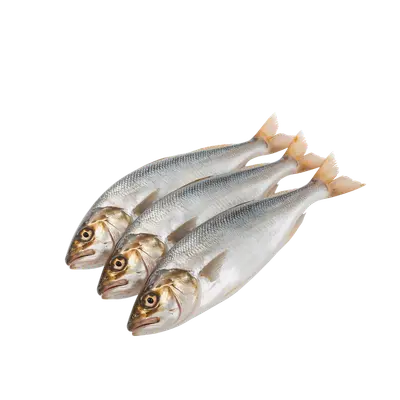
Is Anchovies a trigger for histamine intolerance?
Anchovies scores a 3 out of 3 on the SIGHI Food Compatibility List, placing it in the High category.
Anchovies & Histamine, what the evidence says
Anchovies are naturally rich in histidine, the amino acid from which histamine can be formed. During salting and curing, certain bacteria can produce histidine decarboxylase, an enzyme that converts histidine into histamine. Histamine formation is strongly influenced by time, temperature, bacterial activity, and the condition of the fish before processing. Bacterial histamine formation can occur during processes such as salting, brining, fermenting, and pickling, particularly when temperature control is inadequate.
Fish-related histamine poisoning is associated with high concentrations of histamine. The U.S. Food and Drug Administration uses 200 ppm as a regulatory level associated with the potential for histamine-related illness in scombrotoxin-forming fish. However, histamine levels in cured anchovies vary considerably. Studies of traditionally salted anchovies have found that histamine and other biogenic amines can increase during ripening, but the final levels depend strongly on the raw material, microbial activity, and processing and storage conditions. In one study of three batches of salt-ripened anchovies, histamine remained below 20 mg/kg, while tyramine was the most abundant biogenic amine and reached up to 90 mg/kg.
Histamine is not the only biogenic amine that can accumulate during anchovy processing. Tyramine, cadaverine, putrescine, and other amines have also been detected in cured anchovies. Cadaverine and putrescine can interfere with histamine degradation by the enzyme diamine oxidase (DAO), while tyramine has shown a weaker effect and interfered with DAO only at higher concentrations in experimental assays. These findings are based mainly on laboratory enzyme studies, so they do not establish how a specific amount of these amines in a food will affect DAO activity in a person. Together, however, the presence of several biogenic amines is relevant when considering the overall amine content of cured fish.
Cooking, canning, and freezing do not remove histamine once it has already formed. Histamine is heat-stable, and the FDA notes that it cannot be eliminated by heating, retorting, or freezing. Proper temperature control before and during processing is therefore important because preventing histamine formation is more effective than trying to remove it afterward.
Fresh anchovies themselves are not a notable source of salicylates. For canned anchovies, the ingredients used for packing may contribute additional compounds, so the ingredient label is worth checking when managing salicylate sensitivity alongside histamine.
Does preparation change the risk?
Most commercially available anchovies carry a high histamine risk because of how they're cured and processed. The only lower-risk option is catching and processing immediately, which is rarely realistic outside small, local operations.
| Form | Risk Level | Notes |
|---|---|---|
| Salt-cured (jar/tin) | High | Standard commercial form; histamine and other biogenic amines vary by batch and processing conditions |
| Anchovy paste | High | Concentrated amines; often contains additional preservatives |
| Boquerones (vinegar) | High | The acidity of vinegar may act as a secondary trigger for some people |
| Fresh anchovies (raw) | Low | Only lower risk if caught and processed right away, hard to confirm in most commercial settings |
| Fish sauce (anchovy-based) | High | Fermented liquid with a very concentrated amine content |
Note: Risk levels are based on clinical observations and patient reports, not standardized histamine measurements. Individual tolerance varies.
A food score is a reference, not a verdict.
Histamine intolerance is highly individual. A food that triggers symptoms in one person may be tolerated by another, even within the same category.
Strict elimination may help reduce symptoms initially, but long-term progress often depends on gradual reintroduction and pattern recognition. The goal is not to remove more foods over time, but to understand your personal tolerance and expand your diet when possible.
Tracking symptoms, portions, and context such as stress or timing can provide insights that generalized food lists cannot. This is where informed decisions replace fear-based restriction.
How to test your tolerance
 Assume hidden presence.
Anchovies show up in Worcestershire sauce, Caesar dressing, and plenty of Mediterranean dishes without always being obvious. Check labels or ask when eating out.
 Fresh doesn't always mean low histamine.
Supermarket anchovies labeled fresh may already be accumulating amines depending on how long they've been stored. When in doubt, look for a clearly documented cold chain.
 Fermented derivatives add up fast.
Fish sauce and similar condiments usually use anchovies as a base and carry a heavy amine load. Many people skip these entirely during an elimination phase.
 Watch what shares space with cured anchovies.
Brines and any residual liquid from cured anchovies can carry some of that histamine into what they're stored or packed with. If you're being strict, it's worth skipping that liquid too.
- Check what canned anchovies are packed in.
Fresh anchovies aren't a notable salicylate source, but the oil or liquid canned anchovies are packed in can contribute other compounds. Worth checking the label if you're also managing salicylate sensitivity.
 Freeze fresh catch right away.
If you get truly fresh anchovies, gutting and freezing them immediately slows the histidine-to-histamine conversion before it gets going.
 Track it yourself.
Log the form, quantity, and timing of any anchovy exposure in MyHistaMap. Over time, this helps you find your own threshold and see how it fits into your overall histamine load.
Common questions about Anchovies and histamine
Is the salt the problem with anchovies?
Not exactly. Salt plays a role in curing, but the real driver is bacterial activity converting histidine into histamine over the ripening period, along with several other biogenic amines.
Can I wash the salt off to make anchovies safer?
No. Histamine is distributed through the flesh of the fish itself, not just on the surface, so rinsing or soaking won't meaningfully reduce it.
Why do I get a headache after eating anchovies?
This could involve histamine, though cured fish also carries tyramine and other biogenic amines, and several of these can interact with blood vessels in ways that may trigger headaches in sensitive people.
Are anchovies always high in histamine?
Not necessarily. Studies of salt-ripened anchovies have found histamine levels vary considerably by batch, and can remain relatively low even after months of curing, while other amines like tyramine may be more abundant. The final amine profile depends heavily on the raw fish and processing conditions.
Some people find these options helpful

Supplements are optional tools, not a solution. Personal tracking and identifying your individual triggers remains the priority.
Where this information comes from
At MyHistaMap we curate information from peer reviewed research and recognized medical sources. This guide is a reference tool, not a medical prescription. Always track your own reactions and consult your healthcare provider.
References
- Sec. 540.525 Scombrotoxin (Histamine)-forming Fish and Fishery Products, U.S. FDA Compliance Policy Guide, 2024: uses 200 ppm as a regulatory level associated with the potential for histamine-related illness, and confirms histamine cannot be removed by washing, freezing, retorting, or heating once formed.
- Role of Marine Bacterial Contaminants in Histamine Formation in Seafood Products: A Review, 2022: confirms anchovy, alongside mahi-mahi, herring, and sardine, is a non-scombroid fish commonly implicated in histamine (scombroid) poisoning via bacterial histidine decarboxylase.
- The Rate of Histamine Degradation by Diamine Oxidase Is Compromised by Other Biogenic Amines, Frontiers in Nutrition, 2022: found cadaverine and putrescine interfered with DAO's histamine degradation at lower concentrations than tyramine, which showed a significant effect only at the highest concentration tested, in laboratory enzyme assays.
- Pons-Sánchez-Cascado S, Veciana-Nogués MT, Bover-Cid S, Mariné-Font A, Vidal-Carou MC, Volatile and Biogenic Amines, Microbiological Counts, and Bacterial Amino Acid Decarboxylase Activity throughout the Salt-Ripening Process of Anchovies (Engraulis encrasicholus), Journal of Food Protection, 2005;68(8):1683-1689: found histamine remained below 20 mg/kg across three batches of salt-ripened anchovies, while tyramine was the predominant biogenic amine, reaching up to 90 mg/kg. The source for this page's specific histamine and tyramine figures.
- Veciana-Nogués MT, Albalá-Hurtado S, Mariné-Font A, Vidal-Carou MC, Changes in Biogenic Amines during the Manufacture and Storage of Semipreserved Anchovies, Journal of Food Protection, 1996;59(11):1218-1222: found histamine, cadaverine, tyramine, and putrescine formed mainly during the early weeks of ripening, with final levels depending largely on the raw material, and found anchovies packed in brine were more stable than those packed in oil. The source for this page's note that curing time alone doesn't determine final amine levels.