This content is for informational purposes only and does not constitute medical advice. Always consult a qualified healthcare provider before making dietary changes. Histamine tolerance is highly individual.
This information applies to histamine intolerance, DAO deficiency, and MCAS only. If you have a confirmed food allergy, this content does not apply to you. Food allergies involve the immune system and can be life-threatening. Please consult your allergist.
Is Tuna a trigger for histamine intolerance?
Tuna scores a 3 out of 3 on the SIGHI Food Compatibility List, placing it in the High category.
Tuna & Histamine, what the evidence says
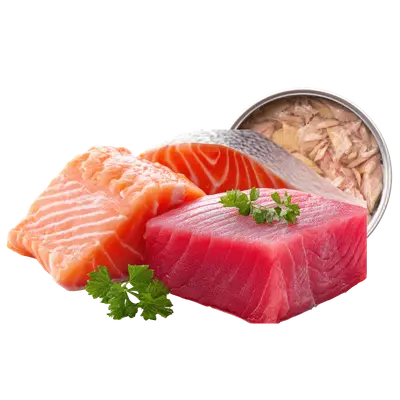
Tuna is one of the fish most commonly associated with histamine formation, particularly when it has not been handled or stored properly. Unlike foods that are primarily discussed as potential histamine liberators, tuna can contain directly elevated levels of histamine formed after the fish is caught.
Histamine formation in fish occurs when bacteria convert the amino acid histidine into histamine, a process that can accelerate when temperature control is inadequate. This is well documented in food-safety research and is responsible for scombrotoxin fish poisoning, a form of food poisoning caused by consuming fish with elevated histamine levels. Properly harvested and handled tuna generally contains little to no detectable histamine, while significant time and temperature abuse can cause histamine to accumulate rapidly.
An important practical point is that histamine already present in tuna is not reliably removed by cooking, freezing, or other common processing methods. Freezing can slow or stop further bacterial activity, but it does not eliminate histamine that has already formed. The fish can also look, smell, and taste normal even when its histamine content is elevated, so appearance and sensory inspection alone are not reliable ways to judge its histamine level.
Canned tuna is processed using controlled heat that destroys the bacteria responsible for further histamine formation. However, this heat treatment does not destroy histamine that was already present before canning. This is why proper handling of the tuna before thermal processing remains important.
Separately from histamine, tuna carries a well-documented consideration related to mercury. Larger and longer-lived tuna species tend to accumulate more mercury over their lifetimes. In the current FDA and EPA fish-consumption advice, canned light tuna, including skipjack, is classified as a "Best Choice," while albacore (white) tuna and yellowfin tuna are classified as "Good Choices." Bigeye tuna is classified as a "Choice to Avoid" because it has higher mercury levels. This advice was developed specifically for people who might become pregnant, are pregnant or breastfeeding, and children, although the FDA notes that everyone can use the guidance when choosing fish. The differences in mercury levels between tuna types are relevant regardless of the reason for considering mercury exposure.
Does preparation change the risk?
Temperature control and time from catch to consumption are critical factors for histamine. Mercury content, a separate consideration, depends instead on the tuna species and size.
| Form | Risk Level | Notes |
|---|---|---|
| Fresh (immediately consumed) | Moderate | Risk depends heavily on handling and freshness after catch |
| Refrigerated (stored) | High | Histamine may increase rapidly |
| Canned tuna | High | Frequently associated with higher histamine levels; canning stops further formation but doesn't remove existing histamine |
| Cooked tuna | High | Heat does not reduce histamine already present |
| Frozen tuna | Moderate | Safer if frozen immediately after catch; freezing stops further formation but doesn't remove existing histamine |
Note: Risk levels are based on clinical observations and food safety data. Individual tolerance varies.
A food score is a reference, not a verdict.
Histamine intolerance is highly individual. A food that triggers symptoms in one person may be tolerated by another, even within the same category.
Strict elimination may help reduce symptoms initially, but long-term progress often depends on gradual reintroduction and pattern recognition. The goal is not to remove more foods over time, but to understand your personal tolerance and expand your diet when possible.
Tracking symptoms, portions, and context such as stress or timing can provide insights that generalized food lists cannot. This is where informed decisions replace fear-based restriction.
How to test your tolerance
 Prioritize freshness and sourcing.
Choosing tuna from reliable, well-handled sources is important. Asking about the cold chain when possible can help.
 Avoid canned tuna during sensitive phases.
Canned tuna is often associated with higher histamine levels and is best avoided during early stages.
 Do not rely on cooking.
Histamine is heat-stable, so cooking does not reduce levels already present in the fish.
 Be cautious with leftovers.
Histamine may increase even under refrigeration, so it's generally best to avoid storing cooked or raw tuna.
 Consider mercury separately from histamine.
Canned light tuna is lowest in mercury; albacore and yellowfin are moderate; bigeye is highest. This is a different consideration from freshness or histamine content.
 Start with very small amounts if testing.
Especially important with higher-risk foods. Wait 24 to 48 hours before increasing portion size.
 Track your response carefully.
Note source, storage method, and timing. Look for patterns across multiple trials using the MyHistaMap app.
Common questions about Tuna and histamine
Is tuna high in histamine?
It depends heavily on handling. Properly harvested and handled tuna generally contains little to no detectable histamine, but significant time and temperature abuse after catch can cause it to accumulate rapidly.
Why is tuna problematic for histamine intolerance?
Histamine can form after the fish is caught through bacterial activity, especially if temperature control is inadequate. This process is well documented in food safety literature and appearance alone doesn't reveal it.
Is fresh tuna safe?
Very fresh, properly handled tuna may be better tolerated, but some risk can still exist, and appearance alone isn't a reliable way to judge histamine content. Handling and the cold chain are as important as freshness.
Is canned tuna worse than fresh?
Canned tuna is commonly associated with higher histamine levels and is often avoided during sensitive periods. The canning process destroys bacteria responsible for further histamine formation but doesn't remove histamine already present before canning.
Does cooking reduce histamine in tuna?
Not really. Histamine is not destroyed by heat, so cooking tuna doesn't make it meaningfully safer for people with histamine intolerance.
Is mercury in tuna related to histamine intolerance?
No, they're unrelated. Mercury content depends on the tuna species and its size and lifespan, not on freshness or histamine formation. Canned light tuna is lowest in mercury, while bigeye tuna is highest.
Some people find these options helpful


Supplements are optional tools, not a solution. Personal tracking and identifying your individual triggers remains the priority.
Where this information comes from
At MyHistaMap we curate information from peer reviewed research and recognized medical sources. This guide is a reference tool, not a medical prescription. Always track your own reactions and consult your healthcare provider.
References
- Sec. 540.525 Scombrotoxin (Histamine)-forming Fish and Fishery Products, U.S. FDA Compliance Policy Guide, 2024: confirms that once formed, histamine in fish like tuna cannot reliably be removed by washing, freezing, retorting, or heating, and that properly harvested and handled fish have little to no detectable histamine, and that sensory examination alone doesn't reliably indicate histamine presence. The source for this page's freshness, handling, and heat-stability guidance.
- Advice About Eating Fish, U.S. FDA and EPA, revised October 2021: classifies canned light tuna (including skipjack) as a Best Choice, albacore/white tuna and yellowfin tuna as Good Choices, and bigeye tuna as a Choice to Avoid due to higher mercury levels, noting that bigger or longer-lived tuna species tend to have higher mercury levels. The source for this page's mercury section.