This content is for informational purposes only and does not constitute medical advice. Always consult a qualified healthcare provider before making dietary changes. Histamine tolerance is highly individual.
This information applies to histamine intolerance, DAO deficiency, and MCAS only. If you have a confirmed food allergy, this content does not apply to you. Food allergies involve the immune system and can be life-threatening. Please consult your allergist.
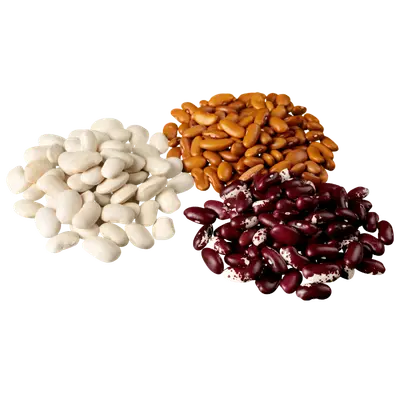
Is Beans (pulses) a trigger for histamine intolerance?
Beans (pulses) scores a 2 out of 3 on the SIGHI Food Compatibility List, placing it in the Moderate category. It is also classified on some reference lists as a potential histamine liberator. This reflects the reference list's classification rather than a confirmed mast-cell mechanism, since research specifically testing this hasn't provided strong support for it.
Beans (pulses) & Histamine, what the evidence says
Beans aren't necessarily high in histamine themselves, but they're naturally rich in other biogenic amines, particularly putrescine and cadaverine. These amines compete with histamine for DAO (diamine oxidase), the enzyme responsible for breaking them down. As a result, a meal high in these amines may leave less DAO available to metabolize histamine from other foods eaten at the same time.
Putrescine and cadaverine may do more than compete for DAO. Some research suggests they can also enhance intestinal histamine absorption, which could help explain why beans sometimes trigger stronger reactions than their histamine content alone would predict. However, this mechanism is still being investigated.
Beans also contain lectins and saponins, compounds that have been proposed to affect gut barrier function, based on cell and animal research. Whether this has a meaningful impact on DAO activity in humans remains uncertain, making this a hypothesis rather than an established mechanism.
On top of that, beans are naturally high in galacto-oligosaccharides (GOS), a type of FODMAP, and many varieties also contain significant amounts of oxalates. These are separate considerations from histamine but can contribute to digestive symptoms in susceptible individuals, which is part of why beans typically need careful preparation to be well tolerated.
Does preparation change the risk?
Preparation method significantly influences how beans are tolerated. Soaking, rinsing, and cooking method can reduce, but not eliminate, the amine and anti-nutrient load.
| Form | Risk Level | Notes |
|---|---|---|
| Canned beans | High | Amines build up during storage in liquid; may also contain preservatives |
| Dried (long soak) | Moderate | Best home preparation method; soaking and discarding the water reduces anti-nutrients |
| Sprouted beans | Moderate | Germination itself increases putrescine and cadaverine, so sprouted isn't automatically a lower-risk swap |
| Broad beans (fava) | High | Frequently noted as a stronger trigger in histamine intolerance guidelines |
| White / Kidney beans | Moderate | Standard profile; high in both amines and fermentable fibers |
Note: Risk levels are based on clinical observations and patient reports, not standardized histamine measurements. Individual tolerance varies.
A food score is a reference, not a verdict.
Histamine intolerance is highly individual. A food that triggers symptoms in one person may be tolerated by another, even within the same category.
Strict elimination may help reduce symptoms initially, but long-term progress often depends on gradual reintroduction and pattern recognition. The goal is not to remove more foods over time, but to understand your personal tolerance and expand your diet when possible.
Tracking symptoms, portions, and context such as stress or timing can provide insights that generalized food lists cannot. This is where informed decisions replace fear-based restriction.
How to test your tolerance
 The double soak method.
Soak dried beans for 24 hours, changing the water several times. Discard the final soaking water before cooking in fresh water to help minimize amines and lectins.
 Pressure cooking.
Using a pressure cooker is considered one of the more effective ways to break down lectins, which may make the beans easier on the gut lining.
 Rinse canned beans thoroughly.
If using canned, drain the liquid and rinse the beans under cold running water for at least 60 seconds before use.
 Small portions only.
Due to the potential competitive effect on DAO, starting with a very small amount (1 to 2 tablespoons) is a reasonable way to see how your system handles the load.
 Avoid combining with alcohol.
Alcohol can reduce DAO activity. Combining beans with alcohol may increase the likelihood of a reaction in sensitive people.
 Track it yourself.
Log the form, preparation method, quantity, and timing in MyHistaMap. Over time, this helps you find your threshold and the preparation methods that work best for you.
Common questions about Beans (pulses) and histamine
Are green beans the same as regular beans for histamine?
No. Green beans (string beans) are harvested before the seeds mature, making them generally much lower in amines and FODMAPs than dried or canned legumes.
Why do beans cause both gas and skin reactions?
The gas is typically from FODMAPs fermenting in the gut, while skin reactions may be related to the biogenic amines competing with histamine for the DAO enzyme.
Can I use bean flour such as chickpea flour?
Flours are more concentrated than whole beans. If you react to the whole bean, the flour may produce a faster or stronger response.
Does a digestive enzyme help with beans?
Alpha-galactosidase may help with the FODMAP and gas component, but it doesn't address the biogenic amines that may affect histamine processing.
Some people find these options helpful
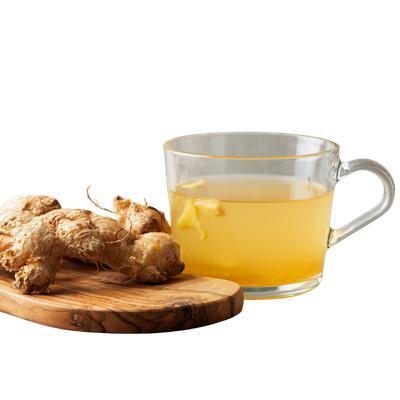

Supplements are optional tools, not a solution. Personal tracking and identifying your individual triggers remains the priority.
Where this information comes from
At MyHistaMap we curate information from peer reviewed research and recognized medical sources. This guide is a reference tool, not a medical prescription. Always track your own reactions and consult your healthcare provider.
References
- Changes in biogenic amines in mature and germinating legume seeds and their behavior during cooking, Food Chemistry, 2000: cadaverine and putrescine concentrations increased during germination in all tested legumes (broad bean, chickpea, lupine).
- Legume lectin phytohemagglutinin reduces transepithelial electrical resistance by counteracting the chaperone function of heat shock protein-70, 2025: confirms the lectin in raw red kidney beans measurably weakens gut barrier function in cell and animal models. The further claim that this reduces DAO activity specifically comes from histamine intolerance community sources rather than a study measuring that exact link, so it's presented on this page as a plausible extension of a real finding, not a directly confirmed one.