This content is for informational purposes only and does not constitute medical advice. Always consult a qualified healthcare provider before making dietary changes. Histamine tolerance is highly individual.
This information applies to histamine intolerance, DAO deficiency, and MCAS only. If you have a confirmed food allergy, this content does not apply to you. Food allergies involve the immune system and can be life-threatening. Please consult your allergist.
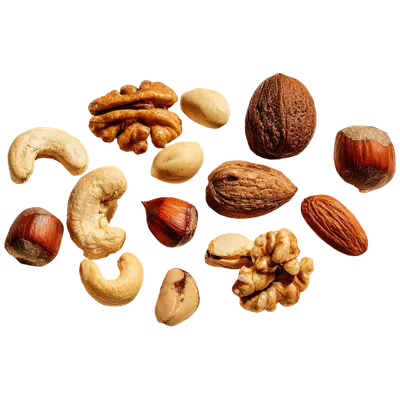
Is Nuts a trigger for histamine intolerance?
Nuts scores a 3 out of 3 on the SIGHI Food Compatibility List, placing it in the High category.
Nuts & Histamine, what the evidence says
Nuts can be a complicated category for people tracking histamine-related reactions. Most nuts are not considered major sources of preformed histamine, but some, particularly walnuts and cashews, are classified as potential histamine liberators on certain reference lists. This means they are thought to trigger the release of the body's own stored histamine rather than contributing large amounts of histamine directly. Reference lists do not always agree on this classification, so individual tolerance remains important.
Nuts can also contain other biogenic amines, including tyramine. Tyramine is broken down mainly by monoamine oxidase (MAO), rather than DAO, but research has found that high concentrations of tyramine can interfere with DAO activity, potentially making it harder to break down histamine at the same time.
Beyond histamine, nuts can be relevant for people who are also sensitive to other food compounds. Their salicylate and oxalate content varies considerably by type, with some nuts contributing more than others. Storage and processing matter too. Nuts are susceptible to mold growth when exposed to moisture and poor storage conditions, and their high fat content makes them prone to oxidation and rancidity over time. These are separate considerations from histamine itself, but they can matter when a person is trying to understand why a particular nut causes symptoms.
Does preparation change the risk?
The type of nut, storage conditions, and processing method can all meaningfully influence histamine impact. Mold and rancidity are as important as the nut variety itself.
| Form | Risk Level | Notes |
|---|---|---|
| Raw walnuts / Cashews | High | Classified as liberators on most reference lists; among the higher risks for flushing or headaches |
| Pecans | Moderate | Reports on pecans are mixed; some lists group them closer to walnuts, others rate them lower |
| Macadamias / Pistachios | Low | Consistently rated among the best-tolerated nuts across reference lists |
| Nut butters | High | Increased surface area may lead to faster oxidation and amine buildup |
| Roasted / Salted | Moderate | High temperatures can create irritating compounds; worth checking for problematic oils |
| Aged / Stored nuts | High | Risk of mold and rancid fats tends to increase significantly over time |
Note: Risk levels are based on clinical observations and patient reports, not standardized histamine measurements. Individual tolerance varies.
A food score is a reference, not a verdict.
Histamine intolerance is highly individual. A food that triggers symptoms in one person may be tolerated by another, even within the same category.
Strict elimination may help reduce symptoms initially, but long-term progress often depends on gradual reintroduction and pattern recognition. The goal is not to remove more foods over time, but to understand your personal tolerance and expand your diet when possible.
Tracking symptoms, portions, and context such as stress or timing can provide insights that generalized food lists cannot. This is where informed decisions replace fear-based restriction.
How to test your tolerance
 Switch to macadamias or pistachios.
These tend to be among the better tolerated nuts compared to the stronger liberator effect of walnuts.
- Avoid the skin.
Many of the irritating compounds, including some salicylates and tannins, tend to be concentrated in the brown skin of the nut, so blanched versions may be worth choosing.
 Store in the freezer.
Storing nuts in airtight containers in the freezer may help limit mold formation and the oxidation of fragile fats.
 Soak for digestibility.
Soaking nuts, and then drying them, may help reduce certain anti-nutrients, though it does not eliminate the liberating proteins.
 Watch for hidden nuts.
Many gluten-free products use almond flour, which can lead to an accidental buildup of oxalates and salicylates in a single day.
 Tracking protocol.
Track your response carefully. Note the form, quantity, and timing. Look for patterns across multiple trials using the MyHistaMap app.
Common questions about Nuts and histamine
Are peanuts considered nuts in this context?
Peanuts are technically legumes and are often notably higher in histamine and mold risk than true tree nuts. Many people choose to avoid them in the early stages of a low-histamine approach.
Why do I get an itchy throat after eating walnuts?
This is often described as a liberator response, where compounds in the walnut may trigger a localized histamine release in the mucous membranes.
Can I have almond milk?
Most commercial almond milks are fairly diluted, but they may still carry some of the liberating properties of the almond. Fresh, homemade macadamia milk is often considered a gentler alternative.
Are roasted nuts safer than raw?
Not particularly, from a histamine standpoint. While roasting may slightly alter some proteins, the high fat content remains prone to oxidation, and amine levels don't meaningfully decrease with heat.
Some people find these options helpful

Supplements are optional tools, not a solution. Personal tracking and identifying your individual triggers remains the priority.
Where this information comes from
At MyHistaMap we curate information from peer reviewed research and recognized medical sources. This guide is a reference tool, not a medical prescription. Always track your own reactions and consult your healthcare provider.
References
- SIGHI (Swiss Interest Group Histamine Intolerance), Leaflet Histamine Elimination Diet: lists walnuts and cashews specifically among histamine liberators, the reference classification behind their higher-risk rating on this page.
- Sánchez-Pérez et al., The Rate of Histamine Degradation by Diamine Oxidase Is Compromised by Other Biogenic Amines, Frontiers in Nutrition, 2022: found that tyramine measurably slowed DAO's histamine degradation rate in vitro at high concentrations relative to histamine, despite tyramine's primary breakdown pathway being MAO rather than DAO.
- Mycotoxins, U.S. Food and Drug Administration: confirms that peanuts and tree nuts such as Brazil nuts and pistachios are among the foods most susceptible to aflatoxin contamination, and that mycotoxin exposure is linked to immune system problems.