This content is for informational purposes only and does not constitute medical advice. Always consult a qualified healthcare provider before making dietary changes. Histamine tolerance is highly individual.
This information applies to histamine intolerance, DAO deficiency, and MCAS only. If you have a confirmed food allergy, this content does not apply to you. Food allergies involve the immune system and can be life-threatening. Please consult your allergist.
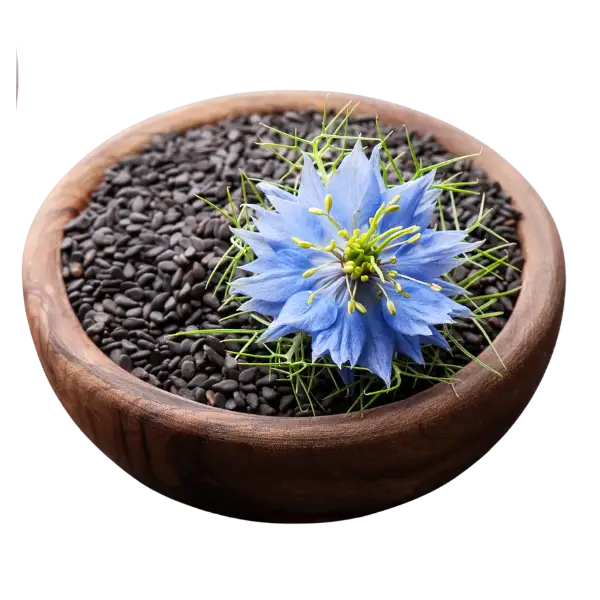
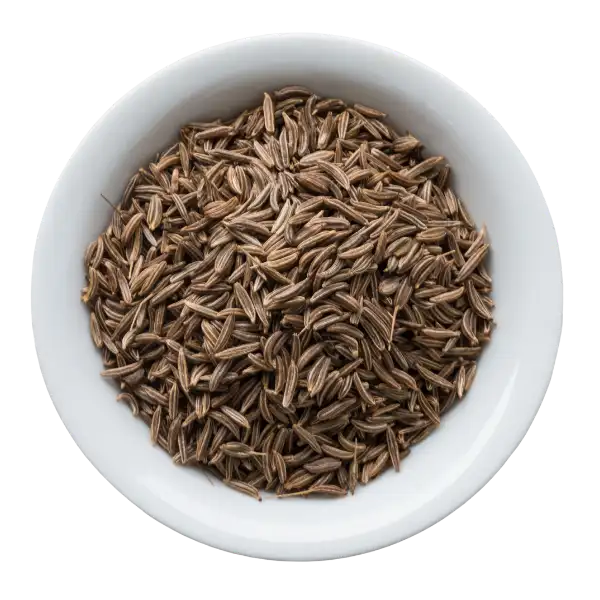
Is Black caraway (Nigella sativa) a trigger for histamine intolerance?
Black caraway (Nigella sativa) scores a 0 out of 3 on the SIGHI Food Compatibility List, placing it in the Safe category.
Black caraway (Nigella sativa) & Histamine, what the evidence says
Black caraway is not associated with meaningful histamine content.
Its more distinctive consideration is pharmacological rather than histamine-related. Nigella sativa seed has measurable effects on blood pressure and blood sugar, with clinical trials and meta-analyses showing reductions in both. This is a genuine consideration for anyone taking antihypertensive or diabetes medication, since combining the two could lower blood pressure or blood glucose more than intended, particularly with concentrated forms such as seed extracts or oil rather than the small amounts used as a culinary spice.
A separate interaction has been documented with cyclosporine, an immunosuppressant used after organ transplants. In an animal study, Nigella sativa significantly reduced the oral absorption of cyclosporine, lowering its maximum blood concentration by about 36% and overall exposure by about 56%. The researchers proposed that this could involve activation of intestinal P-glycoprotein and/or CYP3A4, which help regulate drug absorption. This interaction has not been confirmed in humans, but cyclosporine has a narrow therapeutic range, making the finding relevant to anyone taking this medication.
Black caraway is also considered high in salicylates, a separate consideration from histamine, relevant for anyone managing salicylate sensitivity.
Does preparation change the risk?
Concentration matters here more than histamine does, since the pharmacological effects scale with dose.
| Form | Risk Level | Notes |
|---|---|---|
| Whole or ground seed, culinary amounts | Low | Typical spice-level use; not associated with meaningful histamine content |
| Seed extract or oil, regular supplementation | Moderate | Blood pressure and blood sugar effects are more relevant at supplement doses than culinary amounts |
| ⚠️ Any form, if taking antihypertensive or diabetes medication | Moderate | Combined effects could lower blood pressure or blood glucose more than intended; more relevant at supplement doses |
| ⚠️ Any form, if taking cyclosporine | High | An animal study found a substantial reduction in cyclosporine absorption; not confirmed in humans, but cyclosporine has a narrow therapeutic range |
Note: Risk levels are based on clinical observations and patient reports, not standardized histamine measurements. Individual tolerance varies.
A food score is a reference, not a verdict.
Histamine intolerance is highly individual. A food that triggers symptoms in one person may be tolerated by another, even within the same category.
Strict elimination may help reduce symptoms initially, but long-term progress often depends on gradual reintroduction and pattern recognition. The goal is not to remove more foods over time, but to understand your personal tolerance and expand your diet when possible.
Tracking symptoms, portions, and context such as stress or timing can provide insights that generalized food lists cannot. This is where informed decisions replace fear-based restriction.
How to test your tolerance
 Check in if you take blood pressure or diabetes medication.
Nigella sativa has measurable blood pressure and blood sugar-lowering effects, shown in clinical trials. Regular supplementation alongside these medications is worth discussing with a healthcare provider.
 Be especially cautious with cyclosporine.
An animal study found Nigella sativa substantially reduced cyclosporine absorption. This hasn't been confirmed in humans, but cyclosporine's narrow therapeutic range makes this worth flagging to your prescriber.
 Culinary amounts are a different consideration than supplements.
The pharmacological effects on blood pressure and blood sugar are documented mainly at supplement doses, not the small amounts used as a spice.
 Factor in salicylates separately.
Black caraway is considered high in salicylates. If you're managing salicylate sensitivity alongside histamine, this is worth tracking.
 Distinguish it from true caraway.
Black caraway (Nigella sativa) is a different plant from caraway (Carum carvi). Don't assume information about one applies to the other.
 Track your response in MyHistaMap.
Log the form and amount used, especially if you're on any of the medications mentioned above.
Common questions about Black caraway (Nigella sativa) and histamine
Is black caraway high in histamine?
No, black caraway (Nigella sativa) is not associated with meaningful histamine content.
Can black caraway affect my blood pressure medication?
It's a genuine consideration. Clinical trials and meta-analyses show Nigella sativa can lower blood pressure and blood sugar, mainly documented at supplement doses. Combining it with antihypertensive or diabetes medication could lower these more than intended.
Is black caraway safe with cyclosporine?
Caution is warranted. An animal study found Nigella sativa substantially reduced cyclosporine's absorption into the bloodstream. This hasn't been confirmed in humans, but given cyclosporine's narrow therapeutic range, it's worth discussing with a healthcare provider.
Is black caraway the same as caraway?
No, they're different plants. Black caraway is Nigella sativa; caraway is Carum carvi. They're not interchangeable.
Some people find these options helpful





Supplements are optional tools, not a solution. Personal tracking and identifying your individual triggers remains the priority.
Where this information comes from
At MyHistaMap we curate information from peer reviewed research and recognized medical sources. This guide is a reference tool, not a medical prescription. Always track your own reactions and consult your healthcare provider.
References
- SIGHI (Swiss Interest Group Histamine Intolerance) Food Compatibility List: classifies black caraway (Nigella sativa), also listed under fennel flower, Nigella sativa seed, and Roman coriander, with a histamine score of 0.
- Maideen NMP et al., Nigella Sativa (Black Seeds), A Potential Herb for the Pharmacotherapeutic Management of Hypertension, Current Cardiology Reviews, 2021: reviews clinical studies, including Dehkordi & Kamkhah 2008, showing a blood pressure-lowering effect of Nigella sativa seed extract in patients with mild hypertension. The source for this page's blood pressure section.
- Al-Jenoobi FI et al., Effects of Nigella sativa and Lepidium sativum on Cyclosporine Pharmacokinetics, BioMed Research International, 2013: animal study in rabbits finding Nigella sativa coadministration significantly decreased cyclosporine's maximum blood concentration by 35.5% and overall exposure (AUC) by 55.9%, attributing the effect to activation of intestinal P-glycoprotein and/or CYP3A4. The source for this page's cyclosporine interaction section.
- Wood A, Baxter G, Thies F, Kyle J, Duthie G, A systematic review of salicylates in foods: estimated daily intake of a Scottish population, Molecular Nutrition & Food Research, 2011: HPLC-based measurement placing Nigella sativa at 25.05 mg/kg (free salicylates), within the very high salicylate category. The source for this page's salicylate section.