This content is for informational purposes only and does not constitute medical advice. Always consult a qualified healthcare provider before making dietary changes. Histamine tolerance is highly individual.
This information applies to histamine intolerance, DAO deficiency, and MCAS only. If you have a confirmed food allergy, this content does not apply to you. Food allergies involve the immune system and can be life-threatening. Please consult your allergist.
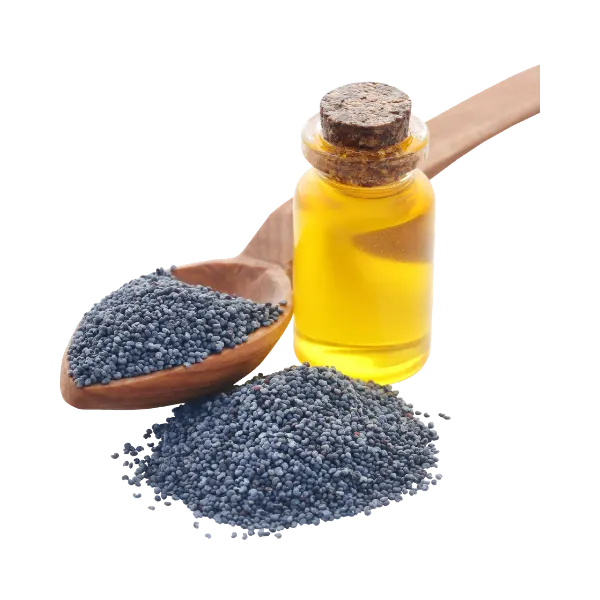
Is Black caraway oil a trigger for histamine intolerance?
Black caraway oil scores a 0 out of 3 on the SIGHI Food Compatibility List, placing it in the Safe category.
Black caraway oil & Histamine, what the evidence says
Black seed oil (Nigella sativa oil) isn't associated with meaningful histamine levels. Unlike most culinary oils, it has also been studied for its potential anti-allergic effects. Laboratory research has shown that nigellone, a compound derived from the seed, can inhibit histamine release from mast cells, while thymoquinone, the oil's main active compound, has demonstrated mast cell-stabilizing effects in animal models of allergic inflammation.
Human research is available as well. A randomized, placebo-controlled clinical trial using a standardized Nigella sativa oil with a defined concentration of thymoquinone reported improvements in seasonal allergy symptoms. This provides a stronger level of evidence than is available for many other plant-derived compounds, which are often supported only by laboratory or animal studies.
That said, a standardized supplement used in clinical research isn't the same as the amount of black seed oil typically found in food. The trial's benefits shouldn't be assumed to carry over to everyday culinary use, and individual responses may still vary, particularly with concentrated supplements.
Does preparation change the risk?
Dose and purity are the main variables to consider.
| Form | Risk Level | Notes |
|---|---|---|
| Culinary use, small amounts | Low | Typical amounts used in cooking or as a drizzle |
| Cold-pressed, pure | Low | Thymoquinone content is highest in fresh, properly stored oil, and it degrades over time |
| Therapeutic / concentrated doses | Moderate | Larger doses used for supplementation purposes warrant more individual attention |
Note: Risk levels are based on clinical observations and patient reports, not standardized histamine measurements. Individual tolerance varies.
A food score is a reference, not a verdict.
Histamine intolerance is highly individual. A food that triggers symptoms in one person may be tolerated by another, even within the same category.
Strict elimination may help reduce symptoms initially, but long-term progress often depends on gradual reintroduction and pattern recognition. The goal is not to remove more foods over time, but to understand your personal tolerance and expand your diet when possible.
Tracking symptoms, portions, and context such as stress or timing can provide insights that generalized food lists cannot. This is where informed decisions replace fear-based restriction.
How to test your tolerance
 Choose cold-pressed, pure oil.
Look for products without added fillers or blended oils to keep the profile as predictable as possible.
- Store away from light and heat.
Thymoquinone content has been shown to decline with storage, so a cool, dark cupboard helps preserve the oil's active compounds.
 Start with small culinary amounts.
A teaspoon-level addition to food is a reasonable starting point before considering larger amounts.
 Be more cautious with supplement doses.
The antiallergic research on this oil largely comes from concentrated extracts, not culinary amounts. If using it therapeutically, introduce gradually.
 Track your response.
Log the amount and form you use in MyHistaMap, particularly if trying it for the first time.
Common questions about Black caraway oil and histamine
Is black caraway oil high in histamine?
No, it isn't associated with meaningful histamine content, and it's specifically noted for antiallergic properties in histamine research.
What makes black caraway oil "antiallergic"?
Laboratory studies have found that nigellone, a compound from Nigella sativa, inhibits histamine release from mast cells, and thymoquinone has shown similar stabilizing effects in animal studies. There's even a human trial supporting an effect on seasonal allergy symptoms, though it used a standardized, concentrated form rather than typical cooking amounts.
Is black caraway oil the same as black seed oil?
Yes, both terms refer to oil extracted from Nigella sativa seeds.
Can I use black caraway oil freely on a low-histamine diet?
Most people tolerate it well in typical culinary amounts. Larger therapeutic doses are worth introducing more gradually.
Some people find these options helpful

Supplements are optional tools, not a solution. Personal tracking and identifying your individual triggers remains the priority.
Where this information comes from
At MyHistaMap we curate information from peer reviewed research and recognized medical sources. This guide is a reference tool, not a medical prescription. Always track your own reactions and consult your healthcare provider.
References
- Chakravarty, Inhibition of histamine release from mast cells by nigellone, Annals of Allergy, 1993: the original study showing nigellone strongly inhibits histamine release from rat mast cells in vitro.
- A randomized, double-blind, placebo-controlled study to evaluate the benefits of a standardized Nigella sativa oil containing 5% thymoquinone in reducing the symptoms of seasonal allergy: human clinical trial using a standardized, concentrated oil, not typical culinary amounts.
- He et al., Meta-analysis of randomized controlled trials assessing the efficacy of Nigella sativa supplementation for allergic rhinitis treatment, Frontiers in Pharmacology, 2024: pooled data from 8 RCTs found a significantly higher effective rate for allergic rhinitis symptoms versus control.