This content is for informational purposes only and does not constitute medical advice. Always consult a qualified healthcare provider before making dietary changes. Histamine tolerance is highly individual.
This information applies to histamine intolerance, DAO deficiency, and MCAS only. If you have a confirmed food allergy, this content does not apply to you. Food allergies involve the immune system and can be life-threatening. Please consult your allergist.
Is Brown algae, algae a trigger for histamine intolerance?
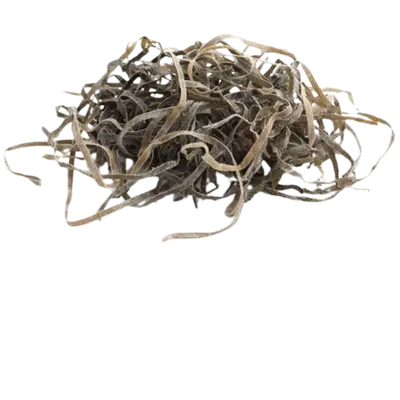
Brown algae, algae scores a 3 out of 3 on the SIGHI Food Compatibility List, placing it in the High category. It is also classified on some reference lists as a potential histamine liberator. This reflects the reference list's classification rather than a confirmed mast-cell mechanism, since research specifically testing this hasn't provided strong support for it.
Brown algae, algae & Histamine, what the evidence says
Brown algae's structure can allow bacteria to grow quickly after harvest, and this bacterial activity can lead to the buildup of pre-formed histamine and other biogenic amines over time, similar to what happens with fish. That's the main reason it is generally treated as a high-risk food, more about handling and freshness than something inherent to the seaweed itself.
The polysaccharides found in brown algae, including fucoidans and phlorotannins, actually show the opposite effect in laboratory studies. Several have been found to suppress histamine release from mast cells rather than trigger it. This doesn't mean brown algae is automatically safe, because freshness and handling still matter, but it does mean that the compounds often discussed as a reason for concern may not be the issue in the way they are sometimes described.
Brown algae is also naturally high in free glutamate, the source of its umami flavor, which some people find adds to their overall symptoms alongside histamine. Its iodine content is notably high as well, more so than in red or green algae, which is worth knowing if you are also managing thyroid sensitivity.
Does preparation change the risk?
Freshness and handling matter more here than the seaweed itself. Even small amounts used in broths or supplements can carry a reaction risk depending on how it was harvested and stored.
| Form | Risk Level | Notes |
|---|---|---|
| Dried (Kombu/Wakame) | High | Concentrated amines can build up depending on harvest and drying conditions |
| Algae salads (seaweed) | High | Often combined with fermented soy and rice vinegar, adding further triggers |
| Fresh / Raw | High | Bacterial activity after harvest makes it particularly unstable |
| Supplements (Kelp) | High | High iodine content, and heavy metal accumulation is a documented concern with some kelp products |
| Roasted snacks | High | Often contains added oils and flavor enhancers that may act as additional triggers |
Note: Risk levels are based on clinical observations and patient reports, not standardized histamine measurements. Individual tolerance varies.
A food score is a reference, not a verdict.
Histamine intolerance is highly individual. A food that triggers symptoms in one person may be tolerated by another, even within the same category.
Strict elimination may help reduce symptoms initially, but long-term progress often depends on gradual reintroduction and pattern recognition. The goal is not to remove more foods over time, but to understand your personal tolerance and expand your diet when possible.
Tracking symptoms, portions, and context such as stress or timing can provide insights that generalized food lists cannot. This is where informed decisions replace fear-based restriction.
How to test your tolerance
 It's mostly about freshness.
The bigger concern with brown algae is bacterial activity after harvest building up histamine over time, not something inherent to the seaweed itself. Freshness and how it was handled matter a lot.
 Natural glutamates.
The umami flavor in algae comes from free glutamates, which may add to overall symptom load alongside any histamine present.
 Iodine considerations.
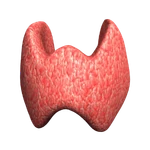
Brown algae tends to be very high in iodine, more so than red or green algae. For people managing thyroid sensitivity, this is worth keeping in mind separately from histamine.
- Heavy metal accumulation.
Algae can accumulate heavy metals from the water it grows in. This is worth considering when evaluating algae-based supplements in particular.
 Track it yourself.
Log any exposure to brown algae in MyHistaMap, including indirect sources like broths or supplements. Tracking timing and duration helps build a clearer picture of your personal response.
Common questions about Brown algae, algae and histamine
Is brown algae safe in small amounts for broth?
Even small amounts of kombu used in broths can carry enough histamine, depending on freshness and handling, to affect sensitive people. Many people with histamine intolerance choose to avoid it in this context too.
Why is brown algae in so many health products?
Brown algae is nutrient-dense and widely used for its mineral content. For most people this isn't a concern, but for those with histamine intolerance, its combination of amine sensitivity, glutamate, and iodine can make it worth extra caution.
Does brown algae contain salicylates?
It's generally considered to have a moderate salicylate load, which may add another layer of reactivity for people who are also sensitive to salicylates.
What are some alternatives to brown algae for flavor?
Unrefined sea salt can provide a similar mineral-rich flavor in cooking, and fresh leafy vegetables like bok choy may offer a comparable texture without the amine risk.
Some people find these options helpful

Supplements are optional tools, not a solution. Personal tracking and identifying your individual triggers remains the priority.
Where this information comes from
At MyHistaMap we curate information from peer reviewed research and recognized medical sources. This guide is a reference tool, not a medical prescription. Always track your own reactions and consult your healthcare provider.
References
- Sugiura et al., Inhibitory effects of seaweeds on histamine release from rat basophile leukemia cells (RBL-2H3), Fisheries Science, 2006: extracts from 7 of 21 brown algae species tested suppressed histamine release from mast cells; none of the tested green or red algae showed this effect.
- Suppressive Activity of Fucofuroeckol-A Derived from Brown Algal Ecklonia stolonifera on Mast Cell Degranulation, 2018: a phlorotannin compound from brown algae significantly suppressed mast cell histamine release in lab testing.
- Insight into the anti-allergic impacts of fucoidan in mitigating allergic reactions, International Journal of Biological Macromolecules, 2025: oral fucoidan from brown algae reduced allergic symptoms and inhibited mast cell activation in an animal model.