This content is for informational purposes only and does not constitute medical advice. Always consult a qualified healthcare provider before making dietary changes. Histamine tolerance is highly individual.
This information applies to histamine intolerance, DAO deficiency, and MCAS only. If you have a confirmed food allergy, this content does not apply to you. Food allergies involve the immune system and can be life-threatening. Please consult your allergist.
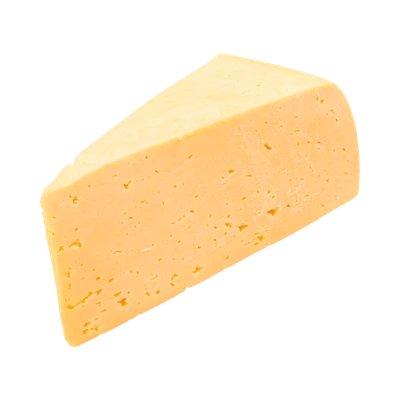
Is Cheddar cheese a trigger for histamine intolerance?
Cheddar cheese scores a 2 out of 3 on the SIGHI Food Compatibility List, placing it in the Moderate category.
Cheddar cheese & Histamine, what the evidence says
Cheddar's histamine content can increase as the cheese ages, particularly when bacteria capable of producing histamine are present. This gives older Cheddar more time for histamine to develop than younger varieties.
The age of Cheddar can therefore be useful when considering it in relation to histamine. In the U.S. Championship Cheese Contest, the Wisconsin Cheese Makers Association classifies Cheddar as Mild at 0 to 3 months, Medium at 3 to 6 months, Sharp at 6 months to a year, and Aged at 1 to 2 years or 2 years and longer. These are cheese competition categories rather than federally defined aging terms. Because words such as "mild" and "sharp" are not legally standardized in the United States, an actual aging time on the label is more informative when histamine is a concern.
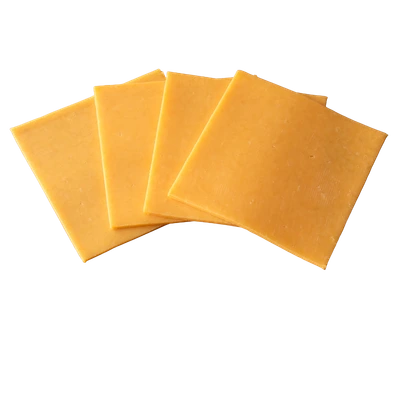
The color of Cheddar does not indicate its histamine content. Orange Cheddar is commonly colored with annatto, a natural coloring made from the seeds of the achiote tree. Annatto is mainly used to give the cheese a consistent color, which can naturally vary depending on factors such as the cow's diet and the season. White and orange Cheddar aged for the same amount of time would not be expected to differ in histamine simply because one contains annatto.
Does preparation change the risk?
Aging duration is the single most important variable for cheddar tolerance, though the presence of specific histamine-forming bacteria also plays a role that isn't visible from the label.
| Form | Risk Level | Notes |
|---|---|---|
| Mild cheddar | Moderate | Aged 0 to 3 months; less time for histamine-forming bacteria to act, though not zero risk |
| Sharp / Aged | High | Aged 6 months or more; more time for histamine and tyramine to accumulate, especially under favorable conditions |
| Processed slices | High | May contain emulsifiers, preservatives, and flavor additives that can trigger mast cells |
| Shredded (bagged) | High | More surface area and anti-caking agents may add to the overall load |
Note: Risk levels are based on clinical observations and patient reports, not standardized histamine measurements. Individual tolerance varies.
A food score is a reference, not a verdict.
Histamine intolerance is highly individual. A food that triggers symptoms in one person may be tolerated by another, even within the same category.
Strict elimination may help reduce symptoms initially, but long-term progress often depends on gradual reintroduction and pattern recognition. The goal is not to remove more foods over time, but to understand your personal tolerance and expand your diet when possible.
Tracking symptoms, portions, and context such as stress or timing can provide insights that generalized food lists cannot. This is where informed decisions replace fear-based restriction.
How to test your tolerance
 Look for an actual aging time, not just "sharp".
Since sharpness labels aren't federally defined, an aging date on the package tells you more than the word alone.
 Block vs. shredded.
Buy cheese in whole blocks and grate it yourself right before use to limit exposure to surface bacteria and added anti-caking agents.
 Portion control.
If eating mild cheddar, keeping portions small helps avoid adding significantly to your overall daily amine load.
 Rind removal.
Avoid eating the outer rind, since that area tends to have the highest concentration of microbial activity and amines.
 Track your response.
Use MyHistaMap to track your response to different aging levels. Over time this can help you tell apart a reaction to a specific variety from a broader dairy sensitivity.
Common questions about Cheddar cheese and histamine
Is white cheddar safer than orange cheddar?
No. The color comes from annatto, a natural dye added purely for appearance. Histamine formation depends on aging and bacteria present, not color.
Does melting cheddar reduce histamine?
No, histamine is heat-stable and stays present even when the cheese is melted or cooked into a dish.
Is cheddar a histamine liberator?
No, cheddar is a direct source of pre-formed histamine and other biogenic amines, rather than a food that triggers the body to release its own.
Does "sharp" on the label tell me how much histamine to expect?
Not reliably. Sharpness terms aren't federally defined, so they vary by brand. An actual aging time on the label is a better guide than the word itself.
Some people find these options helpful

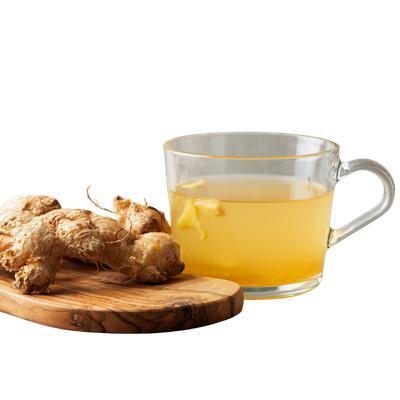
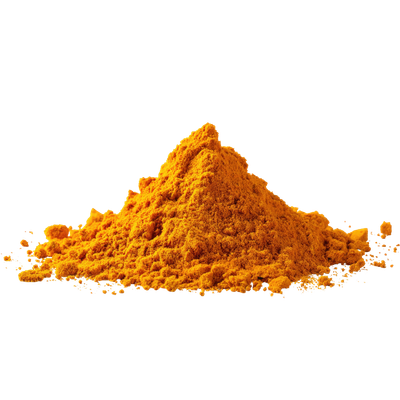
Supplements are optional tools, not a solution. Personal tracking and identifying your individual triggers remains the priority.
Where this information comes from
At MyHistaMap we curate information from peer reviewed research and recognized medical sources. This guide is a reference tool, not a medical prescription. Always track your own reactions and consult your healthcare provider.
References
- 21 CFR § 133.113, Cheddar cheese, Legal Information Institute, Cornell Law School: requires Cheddar made from unpasteurized dairy ingredients to be cured at least 60 days, and does not define mild, medium, sharp, or extra sharp. The source for this page's note on the lack of federal definitions for these terms.
- Wisconsin cheeses that won at the 2017 US Championship Cheese Contest, Wisconsin State Journal: reports the Wisconsin Cheese Makers Association's official contest classes, including Cheddar Mild (0 to 3 months), Medium (3 to 6 months), Sharp (6 months to 1 year), Aged (1 to 2 years), and Aged (2 years or longer). The source for this page's aging category ranges.
- Histamine in Cheese, Advisory Committee on the Microbiological Safety of Food, UK Food Standards Agency, 2015: reports that histamine poisoning incidents linked to cheese and reported to the FSA since 2001 largely involved mature cheddar cheese. The source for this page's note on cheddar-linked histamine incidents.
- Møller et al., Histamine-forming ability of Lentilactobacillus parabuchneri in reduced salt Cheddar cheese, Food Microbiology, 2021: found histamine reached 3,149 mg/kg in reduced-salt Cheddar deliberately inoculated with a histamine-producing strain and ripened for 6 months at 15°C. The source for this page's example of how high histamine can rise in Cheddar under favorable conditions for histamine-forming bacteria.
- 21 CFR § 73.30, Annatto extract, Legal Information Institute, Cornell Law School: identifies annatto extract as a color additive derived from annatto seed, Bixa orellana, approved for coloring foods. The source for this page's identification of annatto as the coloring used in orange Cheddar.