This content is for informational purposes only and does not constitute medical advice. Always consult a qualified healthcare provider before making dietary changes. Histamine tolerance is highly individual.
This information applies to histamine intolerance, DAO deficiency, and MCAS only. If you have a confirmed food allergy, this content does not apply to you. Food allergies involve the immune system and can be life-threatening. Please consult your allergist.
Is Cilantro / Coriander a trigger for histamine intolerance?
Cilantro / Coriander scores a 0 out of 3 on the SIGHI Food Compatibility List, placing it in the Safe category. Some reference sources also suggest it may be a histamine liberator, though even the source itself describes this as unconfirmed or suspected.
Cilantro / Coriander & Histamine, what the evidence says
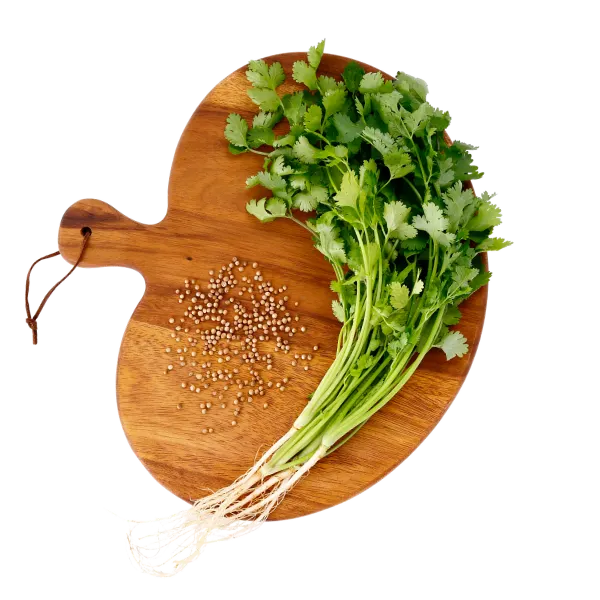
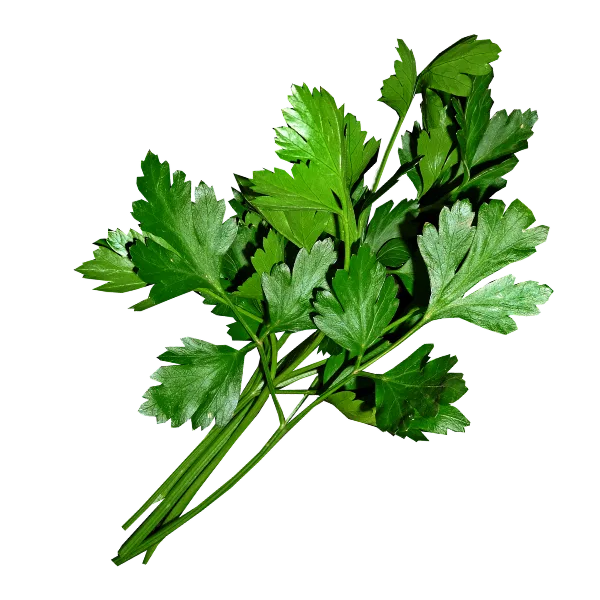
Cilantro, the fresh leaf, and coriander, the dried seed, come from the same plant but differ enough in oxalate and salicylate content to be worth tracking separately, even within a single entry.
Both forms are generally considered well tolerated for histamine intolerance in small amounts.
The two parts also differ sharply in oxalate and salicylate content. Coriander seed has been measured at roughly 1,000 mg of oxalate per 100 grams of dry weight, a genuinely high concentration, and is separately classified as very high in salicylates. Cilantro leaf, by contrast, contains far less of both. Much of this difference comes down to water content: fresh cilantro leaf is mostly water, while coriander seed contains very little, so the seed's nutrients and other compounds are naturally far more concentrated by weight.
Both forms are low in FODMAPs at typical culinary amounts, so this is not a major consideration when distinguishing between the two.
Does preparation change the risk?
Which part of the plant you're using matters more here than almost any other factor.
| Form | Risk Level | Notes |
|---|---|---|
| Fresh cilantro leaf, small amounts | Low | Generally well tolerated; also low in oxalate and salicylates |
| Fresh cilantro leaf, large amounts | Moderate | Good tolerance is specifically associated with small amounts; larger quantities move outside that guidance |
| Dried coriander seed, culinary amounts | Moderate | Generally well tolerated in small amounts, but oxalate and salicylate content are both much higher by weight than the fresh leaf |
| Dried coriander seed, larger or concentrated amounts | High | Compounds far more concentrated than the fresh leaf due to low water content; relevant if managing oxalate or salicylate sensitivity |
Note: Risk levels are based on clinical observations and patient reports, not standardized histamine measurements. Individual tolerance varies.
A food score is a reference, not a verdict.
Histamine intolerance is highly individual. A food that triggers symptoms in one person may be tolerated by another, even within the same category.
Strict elimination may help reduce symptoms initially, but long-term progress often depends on gradual reintroduction and pattern recognition. The goal is not to remove more foods over time, but to understand your personal tolerance and expand your diet when possible.
Tracking symptoms, portions, and context such as stress or timing can provide insights that generalized food lists cannot. This is where informed decisions replace fear-based restriction.
How to test your tolerance
 Know which part you're using.
Cilantro leaf and coriander seed behave differently enough for oxalate and salicylates that they're worth tracking separately, not as one interchangeable ingredient.
 Keep both forms to small amounts.
Good tolerance for either cilantro or coriander is specifically associated with small quantities.
 Coriander seed is more concentrated.
Its low water content means oxalate, salicylates, and other compounds are naturally more concentrated by weight than the fresh leaf.
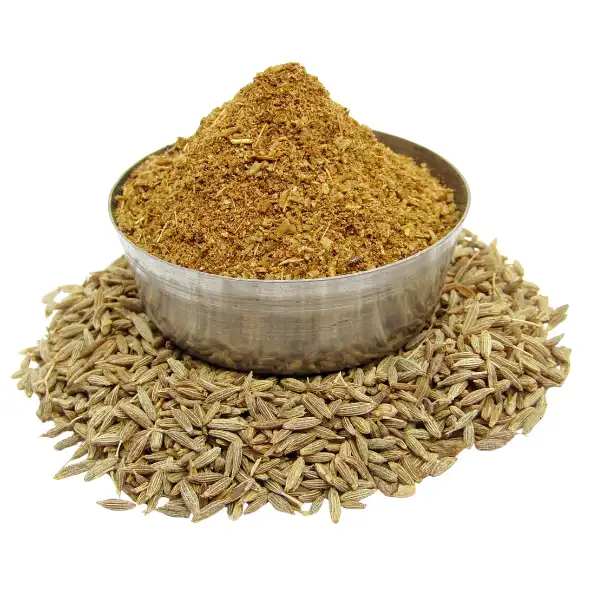
 Don't confuse coriander with cumin.
Coriander (Coriandrum sativum) and cumin (Cuminum cyminum) are different plants with different profiles, despite sometimes being confused due to similar appearance.
- FODMAPs aren't a major concern for either form.
Both cilantro leaf and coriander seed are low in FODMAPs at typical culinary amounts.
 Track your response in MyHistaMap.
Log which part you used, leaf or seed, along with the amount, since oxalate and salicylate exposure genuinely differ between the two.
Common questions about Cilantro / Coriander and histamine
Are cilantro and coriander the same thing?
They come from the same plant, but cilantro refers to the fresh leaf and coriander to the dried seed. Both are generally well tolerated for histamine intolerance in small amounts, but they differ sharply in oxalate and salicylate content.
Is cilantro high in histamine?
No, fresh cilantro leaf is generally considered well tolerated, specifically in small amounts.
Is coriander seed high in histamine?
It's also generally considered well tolerated in small amounts, similar to the fresh leaf. Its main difference from cilantro is much higher oxalate and salicylate content, not histamine.
Which has more oxalate, cilantro or coriander?
Coriander seed, by a wide margin. It's been measured at roughly 1,000 mg of oxalate per 100 grams of dry weight, while fresh cilantro leaf tests far lower, around 19 mg per 100 grams.
Some people find these options helpful





Supplements are optional tools, not a solution. Personal tracking and identifying your individual triggers remains the priority.
Where this information comes from
At MyHistaMap we curate information from peer reviewed research and recognized medical sources. This guide is a reference tool, not a medical prescription. Always track your own reactions and consult your healthcare provider.
References
- Oxalate Content of Egyptian Grown Fruits and Vegetables, Journal of Food Research, 2014: direct laboratory measurement placing coriander seed oxalate content at approximately 1,005 mg/100g dry weight. The source for this page's coriander seed oxalate figure.
- RPAH Elimination Diet Handbook, Swain, Soutter & Loblay, Royal Prince Alfred Hospital Allergy Unit: classifies fresh coriander leaves as negligible in salicylates (approximately 0.20 mg/100g free salicylates) and coriander (seed) as very high in salicylates. The source for this page's salicylate distinction between leaf and seed.
- Monash University FODMAP Diet App food database: classifies fresh cilantro as low FODMAP at servings up to 1 cup (16g), and coriander seed as low FODMAP at typical culinary amounts. The source for this page's FODMAP section.