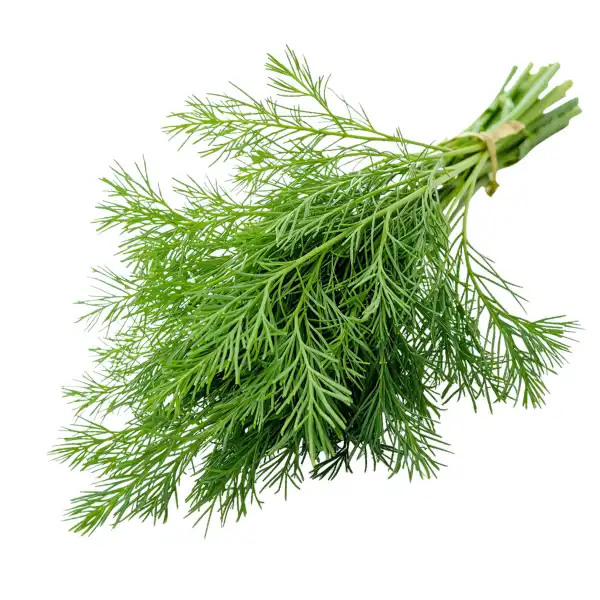
This content is for informational purposes only and does not constitute medical advice. Always consult a qualified healthcare provider before making dietary changes. Histamine tolerance is highly individual.
This information applies to histamine intolerance, DAO deficiency, and MCAS only. If you have a confirmed food allergy, this content does not apply to you. Food allergies involve the immune system and can be life-threatening. Please consult your allergist.
Is Dill a trigger for histamine intolerance?
Dill scores a 1 out of 3 on the SIGHI Food Compatibility List, placing it in the Low category.
Dill & Histamine, what the evidence says
Dill is moderately compatible with histamine intolerance, with small amounts generally well tolerated. It is also high in salicylates, which is a separate consideration for anyone managing salicylate sensitivity.
Dill has been studied in human clinical trials for its effects on cholesterol, triglycerides, blood sugar, and other metabolic markers, but the results have been mixed. Some studies have reported modest improvements in cholesterol and triglyceride levels, while others have found no significant effects on measures such as blood pressure or fasting blood sugar. The current evidence therefore does not show a consistent metabolic effect from dill that needs to be factored into ordinary culinary use.
Does preparation change the risk?
Portion size is the main variable for dill, both for histamine and for salicylate content.
| Form | Risk Level | Notes |
|---|---|---|
| Small amount, fresh or dried | Low | Generally well tolerated for histamine intolerance in small amounts |
| Larger amounts | Moderate | Good tolerance is specifically associated with small amounts; also high in salicylates, relevant at larger quantities |
Note: Risk levels are based on clinical observations and patient reports, not standardized histamine measurements. Individual tolerance varies.
A food score is a reference, not a verdict.
Histamine intolerance is highly individual. A food that triggers symptoms in one person may be tolerated by another, even within the same category.
Strict elimination may help reduce symptoms initially, but long-term progress often depends on gradual reintroduction and pattern recognition. The goal is not to remove more foods over time, but to understand your personal tolerance and expand your diet when possible.
Tracking symptoms, portions, and context such as stress or timing can provide insights that generalized food lists cannot. This is where informed decisions replace fear-based restriction.
How to test your tolerance
 Keep it to small amounts.
Dill is considered moderately compatible with histamine intolerance specifically in small quantities.
 Factor in salicylates.
Dill is high in salicylates. If you're managing salicylate sensitivity alongside histamine, this is worth tracking.
 Fresh dill weed and dill seed are used differently.
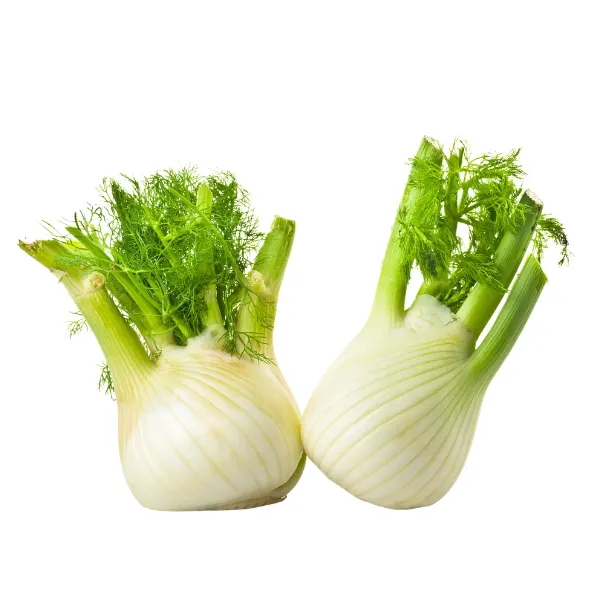
Fresh dill weed is common in salads and sauces, while dill seed is more concentrated and used in pickling and spice blends.
 Metabolic effects aren't a strong consideration.
Clinical research on dill's effects on cholesterol and blood sugar has produced mixed, inconclusive results, so this isn't a major factor for ordinary culinary use.
 Add fresh dill near the end of cooking.
This preserves its flavor best and naturally keeps portions in the smaller range associated with better tolerance.
 Track your response in MyHistaMap.
Log the amount of dill used and any symptoms.
Common questions about Dill and histamine
Is dill high in histamine?
Dill is moderately compatible with histamine intolerance, with small amounts generally well tolerated.
Is dill high in salicylates?
Yes, dill is high in salicylates, a separate consideration from histamine, relevant for anyone managing salicylate sensitivity.
Does dill affect cholesterol or blood sugar?
It's been studied in human clinical trials with mixed results. Some found modest improvements in cholesterol and triglycerides, while others found no significant effect on blood pressure or blood sugar. The evidence doesn't show a consistent effect relevant to ordinary culinary use.
What's the difference between dill weed and dill seed?
Dill weed is the fresh, feathery leaf, commonly used in salads and sauces. Dill seed is the dried fruit of the plant, more concentrated in flavor and often used in pickling and spice blends.
Some people find these options helpful





Supplements are optional tools, not a solution. Personal tracking and identifying your individual triggers remains the priority.
Where this information comes from
At MyHistaMap we curate information from peer reviewed research and recognized medical sources. This guide is a reference tool, not a medical prescription. Always track your own reactions and consult your healthcare provider.
References
- SIGHI (Swiss Interest Group Histamine Intolerance) Food Compatibility List: classifies dill with a histamine score of 1, noting small amounts are usually not a problem and that it has high salicylate content.
- Effects of Anethum graveolens (dill) and its derivatives on controlling cardiovascular risk factors: A systematic review and meta-analysis, Complementary Therapies in Medicine, 2021: meta-analysis of five clinical trials on dill's cardiovascular effects. The source for this page's note on mixed clinical results.
- The effect of 12 weeks Anethum graveolens (dill) on metabolic markers in patients with metabolic syndrome; a randomized double blind controlled trial: found no significant differences in blood pressure or fasting blood sugar between dill and placebo groups after 12 weeks. The source for this page's note on inconclusive metabolic effects.