This content is for informational purposes only and does not constitute medical advice. Always consult a qualified healthcare provider before making dietary changes. Histamine tolerance is highly individual.
This information applies to histamine intolerance, DAO deficiency, and MCAS only. If you have a confirmed food allergy, this content does not apply to you. Food allergies involve the immune system and can be life-threatening. Please consult your allergist.
Is Curry a trigger for histamine intolerance?
Curry scores a 2 out of 3 on the SIGHI Food Compatibility List, placing it in the Moderate category.
Curry & Histamine, what the evidence says
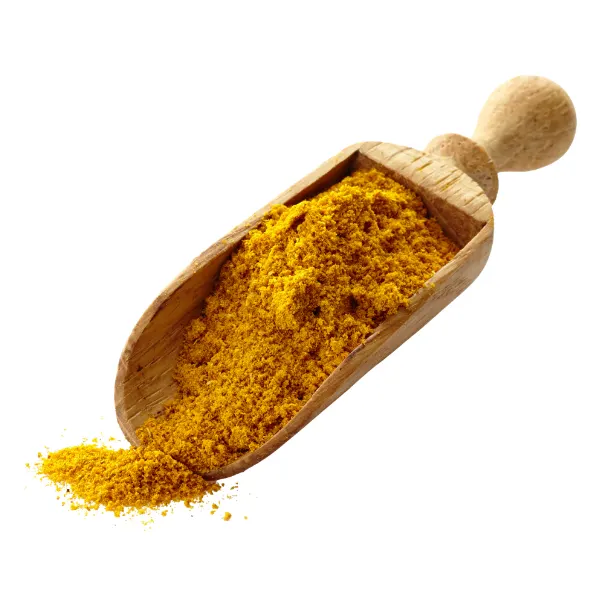
Curry powder is poorly tolerated for histamine intolerance according to reference classifications.
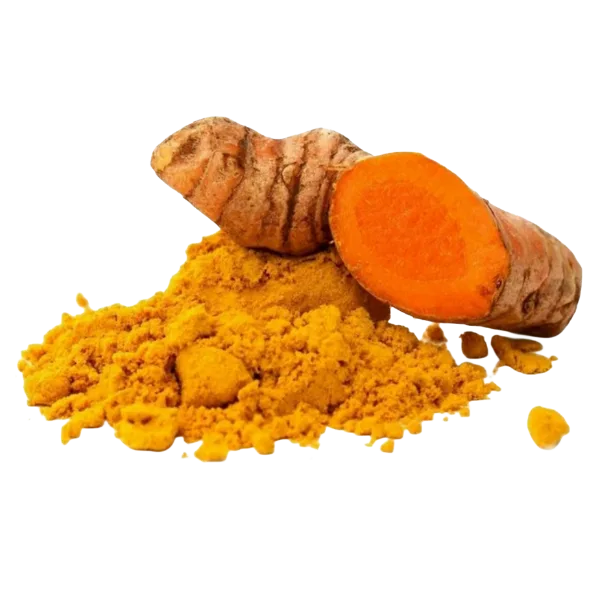
Its most significant safety consideration has nothing to do with histamine: lead contamination. A New York City food safety survey of spices found detectable lead in more than half of the samples tested, with the highest concentration in a curry sample reaching 21,000 ppm. Curry and other spice blends can therefore be affected by serious contamination or adulteration, although the problem is not inherent to the spices themselves. Lead chromate adulteration of turmeric, one of the common ingredients in curry blends, has also been repeatedly documented in food safety research. Buying spices from reputable sources with appropriate heavy-metal testing is particularly important for products used regularly.
As a spice blend, curry powder's FODMAP content depends heavily on its ingredients. The individual spices commonly used in curry blends are generally low in FODMAPs, but many commercial products contain garlic or onion powder, both high in fructans. Checking the ingredient list therefore matters for anyone managing FODMAP sensitivity.
Curry powder is also high in salicylates. Its oxalate content is moderate, but the amount actually consumed is much lower than the per-100-gram value because curry powder is normally used as a seasoning rather than eaten in large quantities.
Does preparation change the risk?
Sourcing and ingredient list matter as much as amount for curry powder.
| Form | Risk Level | Notes |
|---|---|---|
| Curry powder without garlic or onion powder, from a tested source | Moderate | Poorly tolerated for histamine intolerance; FODMAP content stays low without allium ingredients |
| Curry powder containing garlic or onion powder | High | These common additions are high in FODMAPs; check the ingredient list |
| ⚠️ Curry powder from an untested or unregulated source, especially purchased abroad | High | Food safety surveys have found substantial lead contamination in some curry and turmeric samples, particularly from certain countries of origin |
Note: Risk levels are based on clinical observations and patient reports, not standardized histamine measurements. Individual tolerance varies.
A food score is a reference, not a verdict.
Histamine intolerance is highly individual. A food that triggers symptoms in one person may be tolerated by another, even within the same category.
Strict elimination may help reduce symptoms initially, but long-term progress often depends on gradual reintroduction and pattern recognition. The goal is not to remove more foods over time, but to understand your personal tolerance and expand your diet when possible.
Tracking symptoms, portions, and context such as stress or timing can provide insights that generalized food lists cannot. This is where informed decisions replace fear-based restriction.
How to test your tolerance
 Check the ingredient list for garlic or onion powder.
Many commercial curry powders include these, which are high in FODMAPs, unlike the core spice blend itself.
 Buy from a source that tests for heavy metals.
Lead contamination in curry powder and turmeric has been repeatedly documented, particularly in products purchased abroad or in unmarked packaging.
 Be extra cautious with spices purchased outside the US.
Food safety surveys have found significantly higher average lead levels in spices purchased abroad compared with those bought domestically.
 Factor in salicylates.
Curry powder is high in salicylates. If you're managing salicylate sensitivity alongside histamine, this is worth tracking.
 The per-100g oxalate figure isn't your actual intake.
Curry powder's oxalate content is moderate by weight, but typical seasoning use means your actual intake is considerably lower than that figure.
 Track your response in MyHistaMap.
Log the brand and ingredients of the curry powder you use, along with any symptoms.
Common questions about Curry and histamine
Is curry powder high in histamine?
Curry powder is poorly tolerated for histamine intolerance according to reference classifications.
Is curry powder safe from lead contamination?
This varies by source. A New York City food safety survey found detectable lead in more than half of spice samples tested, with one curry sample reaching 21,000 ppm. Turmeric, a common curry ingredient, has also been repeatedly found adulterated with lead chromate. Buying from a tested, reputable source matters.
Is curry powder high in FODMAPs?
It depends on the ingredients. The core spice blend is generally low in FODMAPs, but many commercial curry powders include garlic or onion powder, both high in FODMAPs. Check the ingredient list.
Is curry powder high in oxalates?
It's moderate, but since curry powder is used as a seasoning rather than eaten in large quantities, the amount actually consumed is considerably lower than the per-100-gram figure suggests.
Some people find these options helpful





Supplements are optional tools, not a solution. Personal tracking and identifying your individual triggers remains the priority.
Where this information comes from
At MyHistaMap we curate information from peer reviewed research and recognized medical sources. This guide is a reference tool, not a medical prescription. Always track your own reactions and consult your healthcare provider.
References
- SIGHI (Swiss Interest Group Histamine Intolerance) Food Compatibility List: classifies curry with a histamine score of 2.
- Hore P, Alex-Oni K, Sedlar S, Nagin D, A Spoonful of Lead: A 10-Year Look at Spices as a Potential Source of Lead Exposure, Journal of Public Health Management and Practice, 2019: descriptive study of 1,496 spice samples from 41 countries collected during NYC lead poisoning investigations, finding detectable lead in over 50% of samples, with over 30% exceeding 2 ppm, and the highest concentration (21,000 ppm) found in a curry sample. The source for this page's lead contamination section.
- Evidence of turmeric adulteration with lead chromate across South Asia, Science of the Total Environment, 2024: systematic assessment finding widespread lead chromate adulteration in turmeric samples across India, Pakistan, Sri Lanka, and Nepal. The source for this page's note on turmeric adulteration.
- Monash University FODMAP Diet App food database: notes that while individual spices are generally low FODMAP, garlic powder and onion powder, common additions to commercial spice blends, are high in fructans. The source for this page's FODMAP section.
- Total and Soluble Oxalate Content of Some Indian Spices, Plant Foods for Human Nutrition, 2012; USDA FoodData Central: measurements informing this page's oxalate classification for curry powder.
- RPAH Elimination Diet Handbook, Swain, Soutter & Loblay, Royal Prince Alfred Hospital Allergy Unit: classifies curry among spice blends high in salicylates. The source for this page's salicylate section.