This content is for informational purposes only and does not constitute medical advice. Always consult a qualified healthcare provider before making dietary changes. Histamine tolerance is highly individual.
This information applies to histamine intolerance, DAO deficiency, and MCAS only. If you have a confirmed food allergy, this content does not apply to you. Food allergies involve the immune system and can be life-threatening. Please consult your allergist.
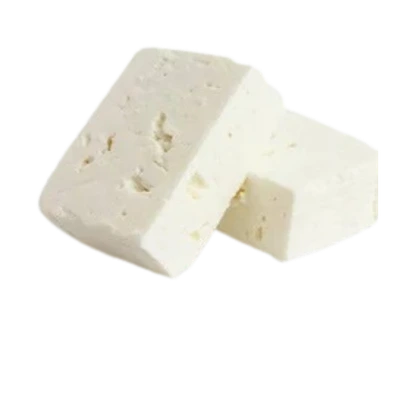
Is Feta cheese a trigger for histamine intolerance?
Feta cheese scores a 1 out of 3 on the SIGHI Food Compatibility List, placing it in the Low category.
Feta cheese & Histamine, what the evidence says
Feta can be relevant for people sensitive to histamine because, although it is a ripened cheese, its histamine and other amine levels can vary considerably from one cheese to another. Feta is made in brine and has a relatively low pH and high salt content, conditions that can limit the growth of some bacteria involved in producing these compounds.
A 2025 study that measured these compounds in white brined cheeses found a wide range of levels between individual samples. The highest total amount, 820.11 mg/kg, was found in one feta sample. Tyramine was one of the most abundant compounds and exceeded 100 mg/kg in three feta samples, while histamine was detected in only one sample, at 26.76 mg/kg. The researchers also found differences in the bacteria present in individual cheeses, which may help explain why the amounts varied so much between samples.
This means that feta should not be assumed to have the same histamine or amine content every time. Some samples may contain relatively low levels, while others can contain considerably more.
Feta is also very low in lactose. Fermentation, removal of whey, and ripening leave only a small amount of lactose behind, making feta generally suitable for a low-FODMAP approach in typical portions. This is a separate consideration from its histamine and other amine content.
Does preparation change the risk?
The duration and conditions of maturation, along with handling and hygiene during production, are the most relevant factors for histamine risk in feta. Since amine content depends heavily on which bacteria happen to be present, no form can be considered guaranteed low-risk.
| Form | Risk Level | Notes |
|---|---|---|
| Traditional (Brine, whole block) | Low | Less handling and surface exposure than crumbled forms, though amine content still varies by batch. |
| Sheep/Goat Milk | Low | Similar ripening process to cow's milk feta; amine content depends more on the specific bacteria present than on the type of milk. |
| Crumbled | Moderate | More exposed surface area, which may allow more microbial activity; may also contain additives or fillers. |
| Extra-Aged | Moderate | Maturation beyond the standard period; limited data on how this specifically affects amine levels in feta. |
Note: Risk levels are based on clinical observations and patient reports, not standardized histamine measurements. Individual tolerance varies.
A food score is a reference, not a verdict.
Histamine intolerance is highly individual. A food that triggers symptoms in one person may be tolerated by another, even within the same category.
Strict elimination may help reduce symptoms initially, but long-term progress often depends on gradual reintroduction and pattern recognition. The goal is not to remove more foods over time, but to understand your personal tolerance and expand your diet when possible.
Tracking symptoms, portions, and context such as stress or timing can provide insights that generalized food lists cannot. This is where informed decisions replace fear-based restriction.
How to test your tolerance
 Rinsing protocol.
Rinsing the cheese under cold water may help reduce surface amines and excess salt.
 Freshness selection.
Choose the freshest production dates you can find to help minimize post-processing amine buildup.
 Brine disposal.
Consider avoiding the packing liquid in cooking, as it tends to concentrate excreted amines.
 Testing tolerance.
Start with a very small portion (10-20g) to assess your individual response.
 Tracking protocol.
Use the MyHistaMap app to document the threshold before symptoms appear.
Common questions about Feta cheese and histamine
Why is feta sometimes considered lower-risk than hard aged cheeses?
Feta's low pH and high salt content can create less favorable conditions for some bacteria that produce biogenic amines. That said, direct measurements show amine levels in feta can vary widely between samples, sometimes reaching levels comparable to aged cheeses, so it's more accurate to think of feta as variable rather than reliably lower-risk.
Is goat-milk feta better for histamine?
Not necessarily. Amine levels appear to depend more on which specific bacteria are present in a given batch than on the type of milk used.
Can it be consumed during a flare-up?
Individual tolerance varies; even at a lower risk level, some caution is advised, as it still adds to the total biogenic amine load during reactive periods.
Some people find these options helpful


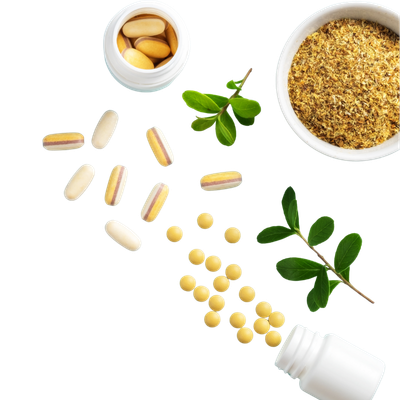
Supplements are optional tools, not a solution. Personal tracking and identifying your individual triggers remains the priority.
Where this information comes from
At MyHistaMap we curate information from peer reviewed research and recognized medical sources. This guide is a reference tool, not a medical prescription. Always track your own reactions and consult your healthcare provider.
References
- Buňková et al., Biogenic Amines in White Brined Cheeses, Foods (MDPI), 2025: measured biogenic amines in white brined cheeses including feta, finding total levels up to 820.11 mg/kg in one feta sample, tyramine exceeding 100 mg/kg in three feta samples, and histamine detected in only one sample at 26.76 mg/kg; also identified specific bacterial strains, including Levilactobacillus brevis and Enterococcus durans, capable of producing these amines. The source for this page's data on feta's variable amine content.
- Is Cheese Low FODMAP?, dietitian-reviewed summary of Monash University Low FODMAP lab testing data: reports Monash University's tested low-FODMAP serving size for feta cheese as approximately 40g, remaining low in FODMAPs up to 500g. The source for this page's lactose/FODMAP guidance.