This content is for informational purposes only and does not constitute medical advice. Always consult a qualified healthcare provider before making dietary changes. Histamine tolerance is highly individual.
This information applies to histamine intolerance, DAO deficiency, and MCAS only. If you have a confirmed food allergy, this content does not apply to you. Food allergies involve the immune system and can be life-threatening. Please consult your allergist.
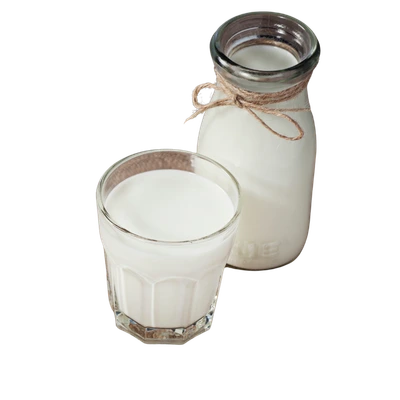
Is Goat milk a trigger for histamine intolerance?
Goat milk scores a 0 out of 3 on the SIGHI Food Compatibility List, placing it in the Safe category.
Goat milk & Histamine, what the evidence says
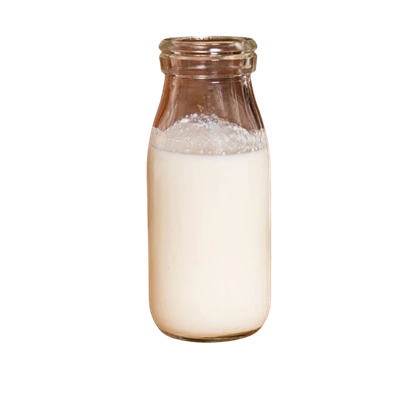
Fresh goat milk is generally low in histamine and other biogenic amines. Unlike aged cheeses and fermented dairy products, it has not undergone the prolonged microbial activity that allows these compounds to accumulate. Its histamine content can still increase if the milk is contaminated or stored improperly, especially at warmer temperatures.
Goat milk is sometimes better tolerated than cow's milk, but that is a separate issue from histamine. It contains slightly less lactose than cow's milk, roughly 4.1 g compared with about 4.7-5 g per 100 mL, but the difference is not enough to make it lactose-free. People with lactose intolerance can still experience digestive symptoms.
Does preparation change the risk?
Processing method and storage conditions are the most relevant factors for histamine risk in goat milk. Most forms maintain a low-risk profile when handled correctly.
| Form | Risk Level | Notes |
|---|---|---|
| Fresh / Pasteurized | Low | Standard fresh milk; minimal amine levels. |
| UHT (Long-life) | Low | Sterile processing helps prevent amine formation. |
| Raw (Fresh) | Low | Generally fine if consumed shortly after milking. |
| Powdered | Low | Stable profile if kept dry and airtight. |
Note: Risk levels are based on clinical observations and patient reports, not standardized histamine measurements. Individual tolerance varies.
A food score is a reference, not a verdict.
Histamine intolerance is highly individual. A food that triggers symptoms in one person may be tolerated by another, even within the same category.
Strict elimination may help reduce symptoms initially, but long-term progress often depends on gradual reintroduction and pattern recognition. The goal is not to remove more foods over time, but to understand your personal tolerance and expand your diet when possible.
Tracking symptoms, portions, and context such as stress or timing can provide insights that generalized food lists cannot. This is where informed decisions replace fear-based restriction.
How to test your tolerance
 Strict freshness.
Check expiration dates and consume within 48 hours of opening to help prevent bacterial growth.
 Cold chain.
Keep the milk at 4°C or lower, and avoid leaving the carton on the counter during meals.
 Avoid fermentation confusion.
Fresh goat milk is different from goat milk kefir or yogurt, which are fermented products with a higher histamine content.
 Boiling protocol.
If using raw goat milk, boiling it may help reduce bacteria that could otherwise produce amines during storage.
 Tracking protocol.
Use the MyHistaMap app to see whether your tolerance differs compared to cow's milk.
Common questions about Goat milk and histamine
Does goat milk become riskier if heated for cooking?
Generally, no. Brief heating or pasteurization does not create amines on its own. However, letting cooked milk-based dishes sit at room temperature for hours will allow histamine to develop.
Why do some people with DAO deficiency tolerate goat milk better than cow milk?
Goat milk contains mostly A2 beta-casein, which lacks the BCM-7 peptide associated with some digestive discomfort in A1 cow milk. Easier digestion overall may be part of why some people find goat milk gentler, though the specific effect on DAO activity is not well established.
Is it safe to use goat milk that has been open for 4 days?
Even if it doesn't smell noticeably off, bacterial load tends to increase the longer it sits after opening. For stricter low-histamine approaches, 48 hours is a commonly recommended limit.
Can I use goat milk as a substitute for milk in low-histamine baking?
For many people, yes. It generally behaves similarly to cow's milk in recipes and can be a lower-amine liquid base for pancakes, breads, or desserts.
Some people find these options helpful

Supplements are optional tools, not a solution. Personal tracking and identifying your individual triggers remains the priority.
Where this information comes from
At MyHistaMap we curate information from peer reviewed research and recognized medical sources. This guide is a reference tool, not a medical prescription. Always track your own reactions and consult your healthcare provider.
References
- Investigation of the structural, functional, and digestive properties of beta-casein from cow, goat, and donkey milk: goat beta-casein has been determined to be of the A2 subtype, and showed superior in vitro digestibility compared to cow beta-casein, with a more loosely organized protein structure during gastric digestion.
- Comparison of Surti goat milk with cow and buffalo milk for gross composition, nitrogen distribution, and selected minerals content: goat milk was found to have significantly lower lactose content than cow milk and buffalo milk.