This content is for informational purposes only and does not constitute medical advice. Always consult a qualified healthcare provider before making dietary changes. Histamine tolerance is highly individual.
This information applies to histamine intolerance, DAO deficiency, and MCAS only. If you have a confirmed food allergy, this content does not apply to you. Food allergies involve the immune system and can be life-threatening. Please consult your allergist.
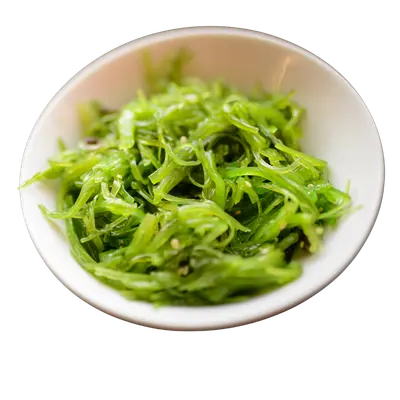
Is Green algae, algae a trigger for histamine intolerance?
Green algae, algae scores a 3 out of 3 on the SIGHI Food Compatibility List, placing it in the High category. It is also classified on some reference lists as a potential histamine liberator. This reflects the reference list's classification rather than a confirmed mast-cell mechanism, since research specifically testing this hasn't provided strong support for it.
Green algae, algae & Histamine, what the evidence says
Algae supplements such as chlorella and spirulina are classified as histamine liberators on reference lists like the SIGHI food list. This means they are considered capable of triggering the release of the body's own histamine rather than contributing meaningful histamine themselves. However, the mechanism behind this classification has not been clearly established.
Laboratory research tells a more complicated story. Several studies using purified extracts of chlorella and spirulina have found the opposite effect, with these extracts inhibiting mast cell degranulation and reducing histamine release in animal and cell-based experiments. This does not necessarily mean the whole foods or supplements behave the same way as purified extracts, but it creates a genuine discrepancy between the reference-list classification and some experimental findings.
Beyond histamine, algae supplements are highly concentrated sources of minerals, and their composition can vary considerably depending on the species, growing conditions, and processing. Contamination with heavy metals has also been reported in some algae products, making product quality and sourcing an important consideration.
Does preparation change the risk?
Most forms of green algae tend to carry a higher risk based on reference-list classifications. Powdered and supplement forms are the most concentrated and therefore tend to be treated with more caution.
| Form | Risk Level | Notes |
|---|---|---|
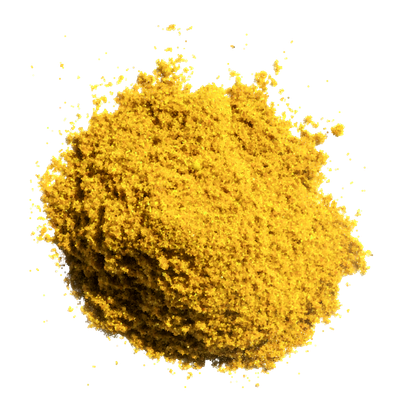
| Dried / Powdered (Chlorella) | High | Most concentrated form; treated as a significant trigger on reference lists like SIGHI |
| Fresh sea lettuce (Ulva) | Moderate | Lower concentration than powder, but still classified as a liberator |
| Supplements / Tablets | High | Higher-potency doses may be associated with flushing in sensitive individuals |
| Liquid extracts | Moderate | Processing method varies by product; effects on reactivity aren't well documented either way |
| Frozen green algae | Moderate | Freezing doesn't change the reference-list classification, though its effect on the underlying mechanism isn't well studied |
Note: Risk levels are based on clinical observations and patient reports, not standardized histamine measurements. Individual tolerance varies.
A food score is a reference, not a verdict.
Histamine intolerance is highly individual. A food that triggers symptoms in one person may be tolerated by another, even within the same category.
Strict elimination may help reduce symptoms initially, but long-term progress often depends on gradual reintroduction and pattern recognition. The goal is not to remove more foods over time, but to understand your personal tolerance and expand your diet when possible.
Tracking symptoms, portions, and context such as stress or timing can provide insights that generalized food lists cannot. This is where informed decisions replace fear-based restriction.
How to test your tolerance
 The liberation trigger.
Green algae is classified as a potent liberator, so even a small amount may prompt your own body to release stored histamine.
 Heavy metal risk.
Contaminants in algae may act as an independent trigger for some people. Checking for third-party lab testing for purity is worth considering if you choose to consume them.
 Iodine sensitivity.
High iodine content can affect thyroid function, and there is emerging, though still limited, research exploring a connection between thyroid and mast cell activity.
- Hidden additives.
Many algae supplements contain fillers or natural flavors that can act as additional triggers for some individuals.
 Tracking protocol.
Use the MyHistaMap app to document any skin reactions or headaches following consumption, which some people associate with a liberator-type response.
Common questions about Green algae, algae and histamine
Why is green algae considered higher-risk despite being called a superfood?
Reference lists like SIGHI classify it as a histamine liberator, so it's generally treated as a higher-risk choice for those managing histamine intolerance, even though nutrient-dense for the general population. The exact mechanism behind that classification isn't clearly established, and some lab research has found purified extracts can actually reduce mast cell activity, so it's not a fully settled picture.
Is green algae safer than red or brown algae?
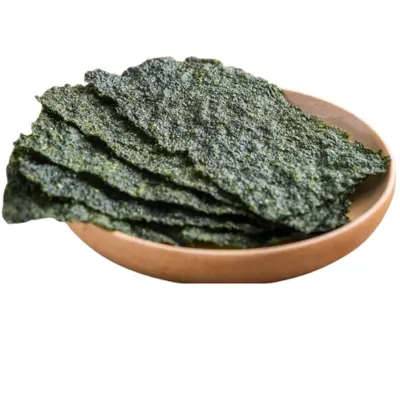
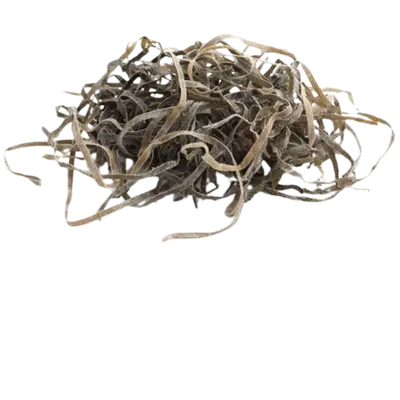
Not necessarily. While the specific compounds differ, a liberating effect is a common trait across most seaweeds and algae.
Can I use green algae for detox?
Some caution is advised. Detox-related symptoms can sometimes be difficult to distinguish from a histamine-type reaction.
Does cooking green algae reduce the risk?
There's no clear evidence that it does. Since the mechanism behind the liberator classification isn't well established, there's no confirmed way to know whether heat would affect it, so it's reasonable to assume cooking doesn't meaningfully change the risk.
Some people find these options helpful

Supplements are optional tools, not a solution. Personal tracking and identifying your individual triggers remains the priority.
Where this information comes from
At MyHistaMap we curate information from peer reviewed research and recognized medical sources. This guide is a reference tool, not a medical prescription. Always track your own reactions and consult your healthcare provider.
References
- SIGHI Food Compatibility List, Swiss Interest Group Histamine Intolerance: green algae and algae derivatives are classified as suspected histamine liberators and noted as extremely rich in iodine.
- Bae SY, et al. Inhibitory effect of unicellular green algae (Chlorella vulgaris) water extract on allergic immune response, Journal of the Science of Food and Agriculture, 2013: a Chlorella vulgaris water extract prevented histamine release from mast cell degranulation by blocking extracellular calcium uptake, the opposite of a liberator effect.
- Inhibition of mast cells by algae, PubMed: methanolic extracts from eleven different algae species, including Chlorella, were tested and showed widely dispersed mast cell inhibition activity, suggesting this antiinflammatory property is common across algae species.