This content is for informational purposes only and does not constitute medical advice. Always consult a qualified healthcare provider before making dietary changes. Histamine tolerance is highly individual.
This information applies to histamine intolerance, DAO deficiency, and MCAS only. If you have a confirmed food allergy, this content does not apply to you. Food allergies involve the immune system and can be life-threatening. Please consult your allergist.
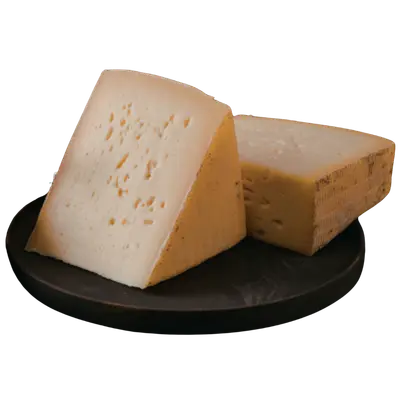
Is Hard cheese a trigger for histamine intolerance?
Hard cheese scores a 3 out of 3 on the SIGHI Food Compatibility List, placing it in the High category.
Hard cheese & Histamine, what the evidence says
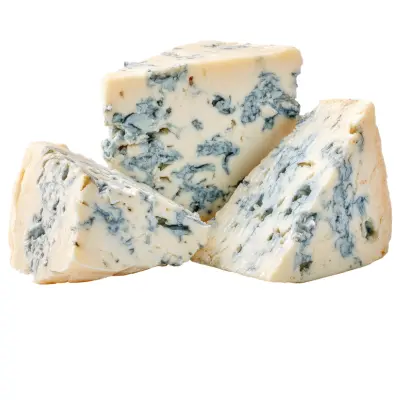
Hard cheeses are among the more concentrated dietary sources of histamine. Making them involves long ripening, often 6 to 36 months, during which bacteria break down proteins and can produce histamine and other biogenic amines. Because moisture is removed as the cheese develops its hard texture, these compounds also become more concentrated per gram.
Hard cheeses are also typically rich in tyramine and cadaverine. Both have been documented as foodborne inhibitors of DAO, the same enzyme responsible for breaking down histamine. This means that eating foods high in these amines can interfere with the body's ability to break down histamine at the same time. This is one reason the total amine load matters for people with histamine intolerance. The amount varies considerably between cheeses depending on the microorganisms involved, production methods, aging time, and storage conditions.
Aging does make these cheeses largely lactose-free and lower in FODMAPs, but their high amine content is why hard, aged cheeses are generally among the foods people with histamine intolerance choose to limit or avoid.
Does preparation change the risk?
Most forms of hard cheese carry a higher histamine risk. Even medium-aged varieties often have enough maturation time to trigger symptoms in sensitive individuals.
| Form | Risk Level | Notes |
|---|---|---|
| Extra aged (Parmesan) | High | Maturation over 12-36 months creates peak histamine and tyramine levels |
| Medium hard (Gouda) | High | Even medium aging, around 3-6 months, is often enough to trigger symptoms |
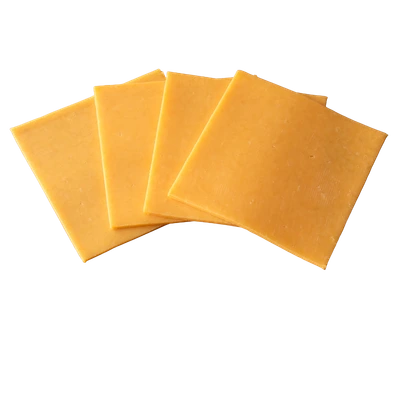
| Grated / Pre-packed | High | Increased surface area may allow more microbial exposure over time |
| Rind / Crust | High | Tends to carry the highest concentration of bacterial metabolites and potential mold |
Note: Risk levels are based on clinical observations and patient reports, not standardized histamine measurements. Individual tolerance varies.
A food score is a reference, not a verdict.
Histamine intolerance is highly individual. A food that triggers symptoms in one person may be tolerated by another, even within the same category.
Strict elimination may help reduce symptoms initially, but long-term progress often depends on gradual reintroduction and pattern recognition. The goal is not to remove more foods over time, but to understand your personal tolerance and expand your diet when possible.
Tracking symptoms, portions, and context such as stress or timing can provide insights that generalized food lists cannot. This is where informed decisions replace fear-based restriction.
How to test your tolerance
 Aging correlation.
As a general rule, the harder the cheese texture, the higher the amine concentration tends to be.
 Cross-contamination.
It's worth being cautious at deli counters where fresh cheeses may be sliced using the same equipment as aged hard cheeses.
 Rind disposal.
Consider avoiding the rinds of hard cheeses in stocks or sauces, since they tend to carry the highest density of biogenic amines.
 Replacement strategy.
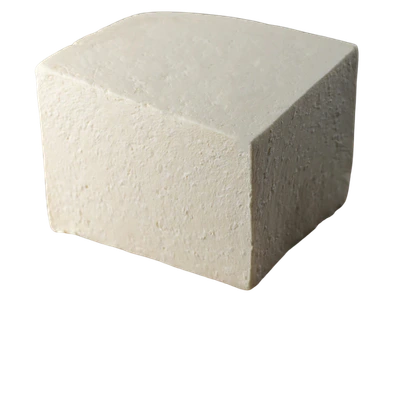
Fresh, unaged options like paneer or farmer's cheese can be a lower-amine substitute for hard cheeses.
 Tracking protocol.
Use the MyHistaMap app to document reactions, since tyramine in hard cheese has also been associated with headaches or migraines in some people, in addition to typical histamine symptoms.
Common questions about Hard cheese and histamine
Does freezing hard cheese reduce histamine?
Not really. Freezing can slow further bacterial activity, but it does not remove the histamine already accumulated during the months of ripening.
Why is hard cheese low in FODMAPs but high in histamine?
Bacteria consume most of the lactose during fermentation, but as a byproduct of breaking down proteins, they also generate biogenic amines, including histamine.
Are sheep or goat hard cheeses safer?
Generally not by much. While the protein structure differs, the aging process still tends to result in high histamine levels regardless of the milk source.
Some people find these options helpful

Supplements are optional tools, not a solution. Personal tracking and identifying your individual triggers remains the priority.
Where this information comes from
At MyHistaMap we curate information from peer reviewed research and recognized medical sources. This guide is a reference tool, not a medical prescription. Always track your own reactions and consult your healthcare provider.
References
- Diamine Oxidase, ScienceDirect Topics: foodborne inhibitors of DAO include carnosine, thiamine, cadaverine, and tyramine, in addition to DAO's role in breaking down histamine and other diamines such as putrescine.
- Quantitative Analysis of Biogenic Amines in Different Cheese Varieties Obtained from the Korean Domestic and Retail Markets, Metabolites (MDPI), 2021: ripened cheeses reached over 1,000 mg/kg in total biogenic amines in some samples, compared to under 125 mg/kg in fresh, unripened cheeses, reflecting the additional time available for microflora to produce these compounds during longer aging.