This content is for informational purposes only and does not constitute medical advice. Always consult a qualified healthcare provider before making dietary changes. Histamine tolerance is highly individual.
This information applies to histamine intolerance, DAO deficiency, and MCAS only. If you have a confirmed food allergy, this content does not apply to you. Food allergies involve the immune system and can be life-threatening. Please consult your allergist.
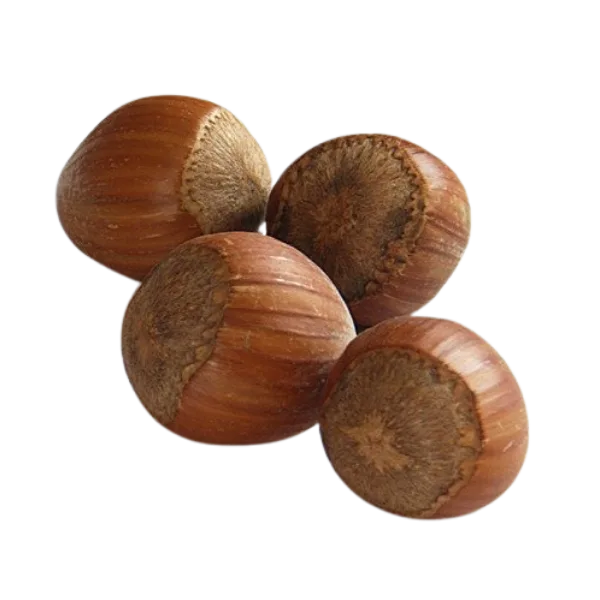
Is Hazelnut a trigger for histamine intolerance?
Hazelnut scores a 1 out of 3 on the SIGHI Food Compatibility List, placing it in the Low category. It is also classified on some reference lists as a potential histamine liberator. This reflects the reference list's classification rather than a confirmed mast-cell mechanism, since research specifically testing this hasn't provided strong support for it.
Hazelnut & Histamine, what the evidence says
Hazelnuts are not associated with meaningful histamine content on compatibility reference lists.
They carry a genuine allergy consideration that has nothing to do with histamine. Hazelnut is a common trigger of oral allergy syndrome in people with birch pollen allergy, caused by cross-reactivity between the major birch pollen allergen Bet v 1 and a structurally similar protein in hazelnut called Cor a 1. This typically causes itching or mild swelling in the mouth and throat shortly after eating raw hazelnuts. Because Cor a 1 is heat-labile, many people with this type of birch pollen-related sensitization tolerate roasted or otherwise heated hazelnuts without symptoms. A separate hazelnut allergen, Cor a 8, is a heat-stable lipid transfer protein that is not related to birch pollen sensitization and is associated with systemic reactions, particularly in Mediterranean populations. This is a true IgE-mediated allergy rather than a histamine intolerance symptom.
Separately, hazelnuts are high in oxalates. Laboratory measurements have reported hazelnut oxalate content above 150 mg per 100 g, with values around 167 to 223 mg per 100 g reported in the literature. This is relevant for people also managing oxalate intake or a history of calcium-oxalate kidney stones.
Does preparation change the risk?
Whether a hazelnut allergy involves Cor a 1 or Cor a 8 changes how much preparation matters, but this is an allergy consideration, not a histamine one. From a histamine standpoint, portion size is the main variable.
| Form | Risk Level | Notes |
|---|---|---|
| Roasted hazelnuts, small portion | Low | Not associated with meaningful histamine content; roasting deactivates Cor a 1 for those with birch pollen-related sensitization |
| Raw hazelnuts | Low | Same histamine profile as roasted; Cor a 1-sensitized individuals may notice oral allergy symptoms unrelated to histamine |
| Larger portions (beyond about 10 nuts) | Moderate | Oxalate and FODMAP content both become more relevant at larger serving sizes |
Note: Risk levels are based on clinical observations and patient reports, not standardized histamine measurements. Individual tolerance varies.
A food score is a reference, not a verdict.
Histamine intolerance is highly individual. A food that triggers symptoms in one person may be tolerated by another, even within the same category.
Strict elimination may help reduce symptoms initially, but long-term progress often depends on gradual reintroduction and pattern recognition. The goal is not to remove more foods over time, but to understand your personal tolerance and expand your diet when possible.
Tracking symptoms, portions, and context such as stress or timing can provide insights that generalized food lists cannot. This is where informed decisions replace fear-based restriction.
How to test your tolerance
 Know if you have birch pollen-related sensitization.
If raw hazelnuts cause mouth or throat itching, this may be oral allergy syndrome from cross-reactivity with birch pollen, not a histamine reaction.
 Roasting may help, but isn't a guarantee.
Many people with Cor a 1-related sensitization tolerate roasted hazelnuts, since heat breaks down that particular protein. This doesn't apply to all hazelnut allergies.
 Watch oxalate intake if relevant.
Hazelnuts are on the higher end for oxalates among nuts, worth keeping in mind alongside your histamine tracking if you have a history of kidney stones.
 Keep portions moderate.
A smaller handful (around 10 nuts) is a reasonable place to start, since oxalate and FODMAP content both become more relevant at larger servings.
 Track your response.
Log portion size, form, and any oral symptoms using MyHistaMap to distinguish patterns over time.
Common questions about Hazelnut and histamine
Are hazelnuts high in histamine?
No, hazelnuts are not associated with meaningful histamine content on compatibility reference lists.
Why do my mouth and throat itch after eating hazelnuts?
This may be oral allergy syndrome, caused by cross-reactivity between birch pollen allergens and a protein in hazelnut called Cor a 1. It's a true allergy, unrelated to histamine, and often improves with roasted hazelnuts since heat breaks down that protein.
Does roasting make hazelnuts safe for anyone with a hazelnut allergy?
Not necessarily. Roasting helps with Cor a 1-related reactions, but a separate hazelnut allergen, Cor a 8, is heat-stable and can cause more serious reactions, particularly in some Mediterranean populations.
Are hazelnuts high in oxalates?
Yes. Laboratory measurements report hazelnut oxalate content in the range of about 167 to 223 mg per 100 g, above 150 mg per 100 g.
Some people find these options helpful





Supplements are optional tools, not a solution. Personal tracking and identifying your individual triggers remains the priority.
Where this information comes from
At MyHistaMap we curate information from peer reviewed research and recognized medical sources. This guide is a reference tool, not a medical prescription. Always track your own reactions and consult your healthcare provider.
References
- Hofmann C, Scheurer S, Rost K, et al., Cor a 1-reactive T cells and IgE are predominantly cross-reactive to Bet v 1 in patients with birch pollen-associated food allergy to hazelnut, Journal of Allergy and Clinical Immunology, 2013: confirmed IgE and T-cell cross-reactivity between birch pollen allergen Bet v 1 and hazelnut allergen Cor a 1 in patients with birch pollen-associated hazelnut allergy. The primary source for this page's oral allergy syndrome section.
- Hazelnut allergy component-resolved diagnosis review: describes Cor a 8 as a heat-stable lipid transfer protein associated with systemic reactions in Mediterranean populations, distinct from birch pollen-related Cor a 1 sensitization. The source for this page's note on Cor a 8.
- Ruan QY, Zheng XQ, Chen BL, Xiao Y, Peng XX, Leung DWM, Liu EE, Determination of total oxalate contents of a great variety of foods commonly available in Southern China using an oxalate oxidase prepared from wheat bran, 2013: laboratory measurement placing hazelnut oxalate content above 150 mg per 100 g, alongside almond, cashew, and pine nut. One source for this page's oxalate figures.