This content is for informational purposes only and does not constitute medical advice. Always consult a qualified healthcare provider before making dietary changes. Histamine tolerance is highly individual.
This information applies to histamine intolerance, DAO deficiency, and MCAS only. If you have a confirmed food allergy, this content does not apply to you. Food allergies involve the immune system and can be life-threatening. Please consult your allergist.
Is Walnut a trigger for histamine intolerance?
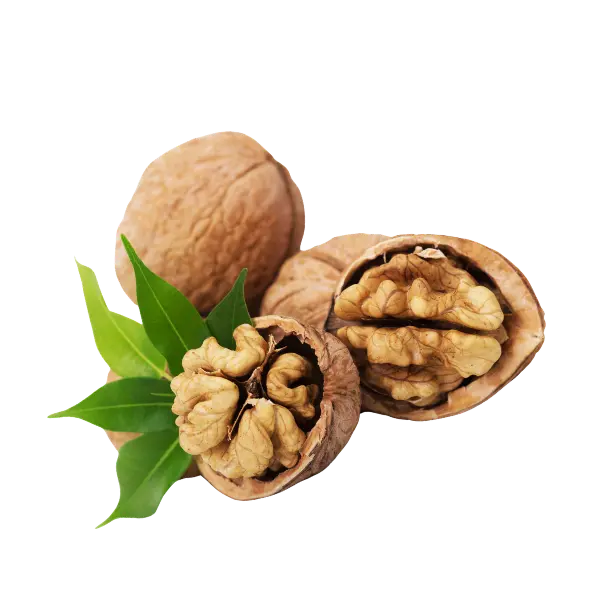
Walnut scores a 3 out of 3 on the SIGHI Food Compatibility List, placing it in the High category. It is also classified on some reference lists as a potential histamine liberator. This reflects the reference list's classification rather than a confirmed mast-cell mechanism, since research specifically testing this hasn't provided strong support for it.
Walnut & Histamine, what the evidence says
Walnuts are commonly reported as a trigger by people managing histamine intolerance, but the mechanism may be more specific than pre-formed histamine. A systematic review of biogenic amines in plant-origin foods found that nuts, including walnuts, tend to contain relatively little histamine, while putrescine is one of the amines most consistently detected at meaningful levels. Putrescine is also metabolized by diamine oxidase (DAO), the same enzyme involved in histamine degradation, so the presence of other amines provides one possible explanation for why a food with little measurable histamine may still be poorly tolerated by some histamine-sensitive people. This has not been established as the specific reason walnuts cause symptoms in individuals, however.
From a nutritional perspective, walnuts are particularly notable for their alpha-linolenic acid (ALA), a plant-based omega-3 fatty acid, as well as polyphenols such as ellagitannins. Gut bacteria can convert some of these polyphenolic compounds into urolithins, metabolites that have been studied for their potential effects on inflammation and other aspects of health. This conversion varies considerably between individuals because it depends partly on the composition of the gut microbiome.
Walnuts are also high in unsaturated fat, which makes them relatively susceptible to oxidation during prolonged exposure to heat, air, or light. Research has found that walnuts can have a shorter shelf life than some other nuts for this reason. Keeping them properly stored and using fresh nuts can help preserve their quality. These nutritional characteristics are separate from their biogenic amine considerations.
Does preparation change the risk?
Freshness plays a larger role for walnuts than for most other nuts, given their oxidation-prone fat profile, and putrescine content is thought to rise with age and storage.
| Form | Risk Level | Notes |
|---|---|---|
| Fresh walnuts | Moderate | Commonly reported as a trigger; putrescine content, metabolized by the same enzyme as histamine, is one possible factor |
| Walnut oil | Moderate | A more concentrated form; similar considerations apply |
| Older or stale walnuts | High | Oxidation develops faster in walnuts than in most nuts due to their unsaturated fat profile |
| Candied or flavored | High | Added sugars and flavorings introduce additional independent triggers |
Note: Risk levels are based on clinical observations and patient reports, not standardized histamine measurements. Individual tolerance varies.
A food score is a reference, not a verdict.
Histamine intolerance is highly individual. A food that triggers symptoms in one person may be tolerated by another, even within the same category.
Strict elimination may help reduce symptoms initially, but long-term progress often depends on gradual reintroduction and pattern recognition. The goal is not to remove more foods over time, but to understand your personal tolerance and expand your diet when possible.
Tracking symptoms, portions, and context such as stress or timing can provide insights that generalized food lists cannot. This is where informed decisions replace fear-based restriction.
How to test your tolerance
 Approach with extra caution.
Walnuts are commonly reported as a trigger during elimination phases. One possible factor is putrescine, an amine metabolized by the same enzyme as histamine, though this isn't confirmed as the specific reason.
 Prioritize freshness above all.
Walnuts oxidize faster than most nuts. Buy in small quantities and store in the refrigerator or freezer.
 Try other nuts first.
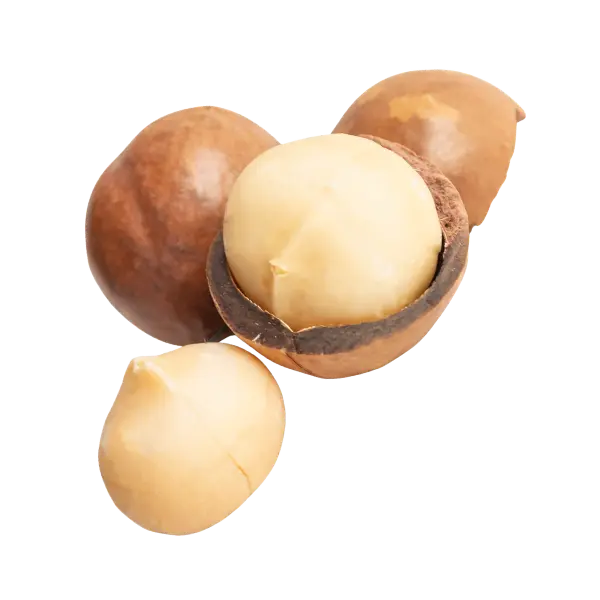
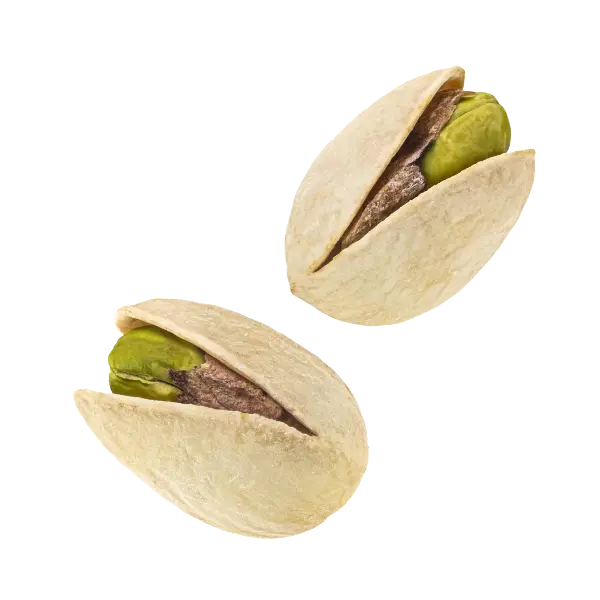
If you are still testing nut tolerance broadly, consider starting with nuts less commonly reported as triggers, like macadamia or pistachio, before walnuts.
 Start with a very small amount.
If you do choose to test walnuts, a small quantity helps limit the extent of any reaction.
 Track your response closely.
Log quantity, freshness, and any symptoms using MyHistaMap given the higher likelihood of a reaction.
Common questions about Walnut and histamine
Are walnuts high in histamine?
Not necessarily. Research on biogenic amines in plant foods has found walnuts and other nuts tend to be relatively low in histamine itself, with putrescine as the amine most consistently present at meaningful levels.
Are walnuts a histamine liberator too?
One possible explanation for the frequent association between walnuts and symptoms involves putrescine, which is metabolized by the same DAO enzyme as histamine. This hasn't been established as the specific reason, and a classic liberator effect hasn't been confirmed either.
If walnuts are a common trigger, why are they often recommended nutritionally?
Walnuts contain ellagitannins that gut bacteria convert into compounds called urolithins, along with ALA, a plant-based omega-3 fat. These are separate nutritional properties unrelated to the histamine considerations above.
Should I avoid walnuts entirely?
Not necessarily, but many people find it helpful to test walnuts later in the process, after establishing tolerance with nuts less commonly reported as triggers.
Some people find these options helpful


Supplements are optional tools, not a solution. Personal tracking and identifying your individual triggers remains the priority.
Where this information comes from
At MyHistaMap we curate information from peer reviewed research and recognized medical sources. This guide is a reference tool, not a medical prescription. Always track your own reactions and consult your healthcare provider.
References
- Sánchez-Pérez S, Comas-Basté O, Rabell-González J, Veciana-Nogués MT, Latorre-Moratalla ML, Vidal-Carou MC, Biogenic Amines in Plant-Origin Foods: Are They Frequently Underestimated in Low-Histamine Diets?, Foods (MDPI), 2018: found that nuts, including walnuts, tend to be low in histamine itself, with putrescine as the amine most consistently found at meaningful levels, and notes that high putrescine content could relate to symptoms through enzymatic competition with histamine for DAO. This is the source for the putrescine/DAO framing referenced on this page.
- Moussa et al., Systemic Inflammation and the Inflammatory Context of the Colonic Microenvironment Are Improved by Urolithin A, Cancer Prevention Research, 2025: a human clinical study finding that walnut consumption, via gut microbiome conversion of ellagitannins into urolithin A, reduced inflammatory markers in blood, urine, and fecal samples of study participants. This is the source for the ellagitannin and urolithin claim referenced on this page.
- Prediction of Walnut Deterioration Using Kernel Oxidative Stability: confirms that the fatty acid composition of walnuts contributes to a shorter shelf life compared to other nuts. This is the source for the comparative oxidation/shelf-life claim referenced on this page.