This content is for informational purposes only and does not constitute medical advice. Always consult a qualified healthcare provider before making dietary changes. Histamine tolerance is highly individual.
This information applies to histamine intolerance, DAO deficiency, and MCAS only. If you have a confirmed food allergy, this content does not apply to you. Food allergies involve the immune system and can be life-threatening. Please consult your allergist.
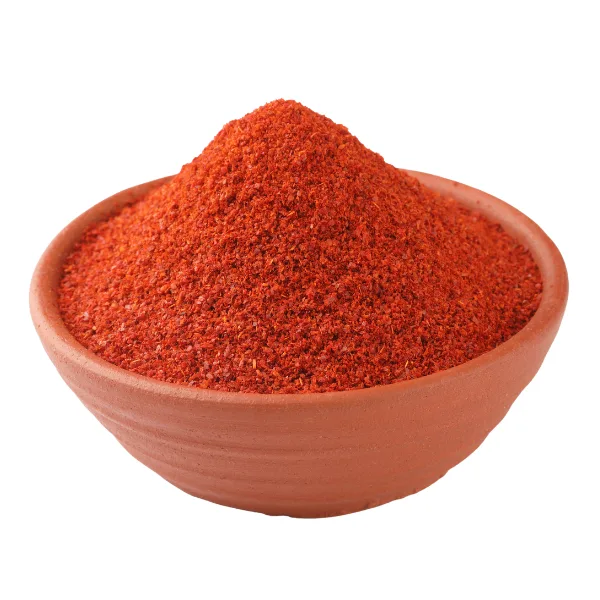
Is Hot Paprika a trigger for histamine intolerance?
Hot Paprika scores a 2 out of 3 on the SIGHI Food Compatibility List, placing it in the Moderate category.
Hot Paprika & Histamine, what the evidence says
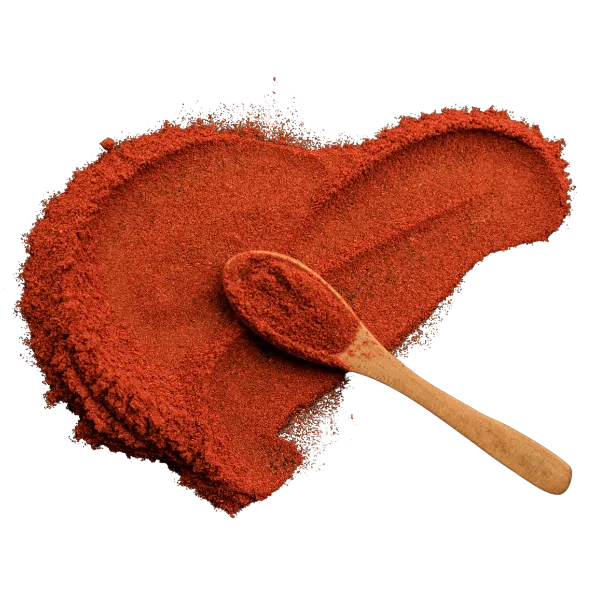
Hot paprika is poorly tolerated for histamine intolerance, with digestive irritation noted as a specific concern. This distinguishes it from sweet paprika, which is generally better tolerated.
Its more distinctive consideration is food fraud. Because a deep, vivid red color affects how paprika is perceived in the market, it has repeatedly been found adulterated with unauthorized industrial dyes, particularly Sudan I and Sudan IV. These dyes have been identified as genotoxic and carcinogenic or potentially carcinogenic, and are not permitted as food colorants. Contaminated paprika and related spices have been detected in food safety surveys in Europe and the United States over several decades, including a documented case in which an unauthorized dye was detected at more than 2,400 parts per million. A separate incident in the 1990s involved paprika adulterated with lead oxide to intensify its color and resulted in consumer poisonings requiring hospitalization. Buying paprika from a reputable source with appropriate quality testing is therefore a genuine food-safety consideration.
Hot paprika is also considered high in salicylates, a separate consideration from histamine.
Does preparation change the risk?
Sourcing matters as much as amount for hot paprika, given its history of dye adulteration.
| Form | Risk Level | Notes |
|---|---|---|
| Small amount, from a tested source | Moderate | Poorly tolerated for histamine intolerance, with digestive irritation as a specific concern |
| Larger or regular amounts | High | Poor histamine tolerance and high salicylate content are both more relevant with regular or larger use |
| ⚠️ From an untested or unregulated source | High | Food safety surveys have repeatedly found paprika adulterated with unauthorized industrial dyes or, historically, lead oxide |
Note: Risk levels are based on clinical observations and patient reports, not standardized histamine measurements. Individual tolerance varies.
A food score is a reference, not a verdict.
Histamine intolerance is highly individual. A food that triggers symptoms in one person may be tolerated by another, even within the same category.
Strict elimination may help reduce symptoms initially, but long-term progress often depends on gradual reintroduction and pattern recognition. The goal is not to remove more foods over time, but to understand your personal tolerance and expand your diet when possible.
Tracking symptoms, portions, and context such as stress or timing can provide insights that generalized food lists cannot. This is where informed decisions replace fear-based restriction.
How to test your tolerance
 Buy from a reputable, tested source.
Paprika's vivid red color has made it a repeated target for illegal dye adulteration. A tested, reputable brand reduces this risk.
 Distinguish it from sweet paprika.
Hot paprika is poorly tolerated for histamine intolerance with noted digestive irritation, while sweet paprika is generally better tolerated. They're not interchangeable in this respect.
 Factor in salicylates.
Hot paprika is considered high in salicylates. If you're managing salicylate sensitivity alongside histamine, this is worth tracking.
 Keep amounts modest.
Given hot paprika's poor histamine tolerance, smaller amounts are a more manageable approach.
 Watch for an unusually vivid or intense red color.
While not a reliable test on its own, an oddly bright or deep red can sometimes be a sign of dye adulteration in lower-quality products.
 Track your response in MyHistaMap.
Log the amount of hot paprika used and any symptoms, including digestive irritation.
Common questions about Hot Paprika and histamine
Is hot paprika high in histamine?
Hot paprika is poorly tolerated for histamine intolerance, with digestive irritation noted as a specific concern.
Is hot paprika the same as sweet paprika?
No. Hot paprika is poorly tolerated for histamine intolerance, while sweet paprika is generally well tolerated. They're treated differently for this reason.
Is paprika safe from contamination?
This depends on the source. Paprika's vivid red color has made it a repeated target for adulteration with unauthorized industrial dyes like Sudan I and Sudan IV, and historically with lead oxide. Buying from a reputable, tested source matters.
Is hot paprika high in salicylates?
Yes, hot paprika is considered high in salicylates, a separate consideration from histamine.
Some people find these options helpful





Supplements are optional tools, not a solution. Personal tracking and identifying your individual triggers remains the priority.
Where this information comes from
At MyHistaMap we curate information from peer reviewed research and recognized medical sources. This guide is a reference tool, not a medical prescription. Always track your own reactions and consult your healthcare provider.
References
- SIGHI (Swiss Interest Group Histamine Intolerance) Food Compatibility List: classifies hot paprika with a histamine score of 2, noting it is irritating to the intestine, distinct from sweet paprika at a score of 0.
- The Detection of Substitution Adulteration of Paprika with Spent Paprika by the Application of Molecular Spectroscopy Tools: documents the 1994 lead oxide adulteration incident that caused consumer hospitalizations, and identifies Sudan I and Sudan IV as the most commonly found unauthorized dyes in paprika, noted as possibly carcinogenic and potentially genotoxic. The source for this page's adulteration history section.
- Paprika, Chilli Powder and Sudan Dye Contamination, Food Fraud Advisors: documents ongoing Sudan dye detection in paprika through food safety surveys in Europe (RASFF) and the United States (FDA Import Alerts) through 2024, including a New York State case finding 2,400 ppm Sudan 4 and 850 ppm Sudan 1 in a paprika product. The source for this page's contamination detection figures.
- RPAH Elimination Diet Handbook, Swain, Soutter & Loblay, Royal Prince Alfred Hospital Allergy Unit: classifies paprika among spices high in salicylates. The source for this page's salicylate section.