This content is for informational purposes only and does not constitute medical advice. Always consult a qualified healthcare provider before making dietary changes. Histamine tolerance is highly individual.
This information applies to histamine intolerance, DAO deficiency, and MCAS only. If you have a confirmed food allergy, this content does not apply to you. Food allergies involve the immune system and can be life-threatening. Please consult your allergist.
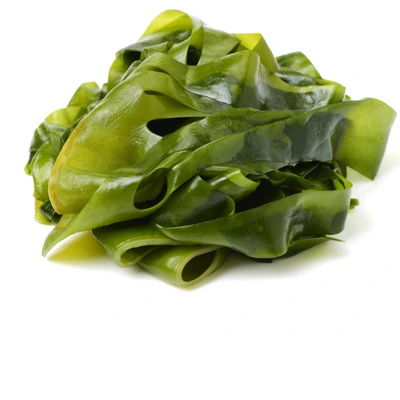
Is Kombu seaweed a trigger for histamine intolerance?
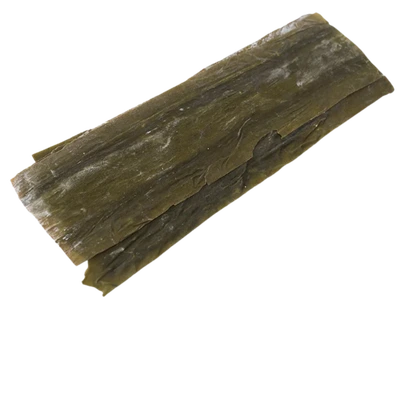
Kombu seaweed scores a 3 out of 3 on the SIGHI Food Compatibility List, placing it in the High category. It is also classified on some reference lists as a potential histamine liberator. This reflects the reference list's classification rather than a confirmed mast-cell mechanism, since research specifically testing this hasn't provided strong support for it.
Kombu seaweed & Histamine, what the evidence says
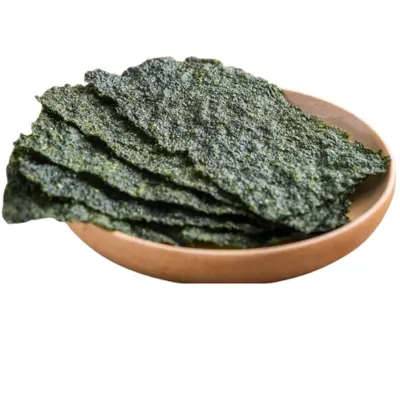
Kombu is a type of kelp, and like other brown algae, it's noted as a potential histamine liberator on some reference lists, meaning it may trigger the body's own histamine release beyond whatever it directly contains. There is no published research specifically measuring histamine or tyramine levels in kombu that we could find. Unlike foods such as aged cheese or sauerkraut, plain dried kombu is not a traditionally fermented product, so the bacterial process that generates these compounds during fermentation does not clearly apply to kombu in the same way.
The better-documented concern with kombu is iodine. Kombu is extremely iodine-dense, with some published analyses finding levels around 2,300 micrograms per gram of dried product. The adult tolerable upper intake level is 1,100 micrograms per day in the US, so even a small amount of kombu can exceed that limit. Excess iodine intake can disrupt thyroid function, causing either hypothyroidism or hyperthyroidism, and this is generally considered kombu's most significant health consideration, separate from histamine.
Kombu's strong umami flavor comes from naturally occurring glutamate, the same amino acid involved in the commonly discussed "MSG headache" theory. Controlled studies have tested whether MSG can trigger headaches and other symptoms, but the results have not been consistent, so symptoms after eating kombu should not automatically be attributed to its naturally occurring glutamate.
Does preparation change the risk?
Iodine concentration is the main documented variable across kombu forms, rather than confirmed histamine or tyramine content.
| Form | Risk Level | Notes |
|---|---|---|
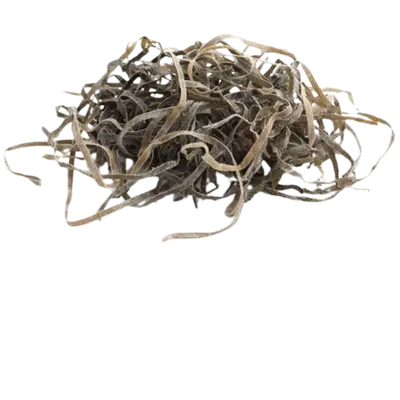
| Dried strips, occasional use | Moderate | Noted as a potential liberator on some reference lists; iodine content still worth watching even in small amounts |
| Dashi (broth) | Moderate | Some iodine leaches into the broth during simmering, though generally less than eating the kombu itself |
| Regular seasoning use | High | Iodine can accumulate with frequent use; consider your total dietary iodine intake |
| Kelp powder, supplements | High | Highly concentrated iodine source; even small amounts used regularly can add up quickly |
Note: Risk levels are based on clinical observations and patient reports, not standardized histamine measurements. Individual tolerance varies.
A food score is a reference, not a verdict.
Histamine intolerance is highly individual. A food that triggers symptoms in one person may be tolerated by another, even within the same category.
Strict elimination may help reduce symptoms initially, but long-term progress often depends on gradual reintroduction and pattern recognition. The goal is not to remove more foods over time, but to understand your personal tolerance and expand your diet when possible.
Tracking symptoms, portions, and context such as stress or timing can provide insights that generalized food lists cannot. This is where informed decisions replace fear-based restriction.
How to test your tolerance
 Use kombu sparingly, as a seasoning rather than a staple.
Given how concentrated iodine can be in kombu, small, occasional culinary amounts are a more cautious approach than regular or large servings.
 Don't assume the umami flavor causes headaches.
Kombu's umami flavor comes from natural glutamate, the compound behind the disputed "MSG headache" idea. Controlled studies haven't consistently supported that link.
- Check labels.
Many natural seasonings and salt substitutes contain powdered kombu or kelp, so it's worth reading the fine print if you're watching your iodine intake.
 Check with a doctor if you have thyroid disease.
People with existing thyroid conditions are more susceptible to iodine-related thyroid disruption and should approach kombu with particular caution.
 Tracking protocol.
Use the MyHistaMap app to document your response, given both the liberator note and the iodine consideration.
Common questions about Kombu seaweed and histamine
Is kombu a histamine liberator?
It's noted as a potential liberator on some reference lists, though there's no published research directly measuring its histamine content. Its iodine levels are the better-documented concern.
Does cooking kombu reduce the iodine risk?
Not much. Some iodine leaches into broth during simmering, but eating the kombu itself, or using concentrated forms like powder, delivers more.
Does kombu's glutamate content cause headaches?
This is a commonly repeated claim tied to the "MSG headache" idea, but controlled studies on MSG have produced inconsistent results, so it shouldn't be assumed as the cause of symptoms without other evidence.
Some people find these options helpful

Supplements are optional tools, not a solution. Personal tracking and identifying your individual triggers remains the priority.
Where this information comes from
At MyHistaMap we curate information from peer reviewed research and recognized medical sources. This guide is a reference tool, not a medical prescription. Always track your own reactions and consult your healthcare provider.
References
- Commercially available kelp and seaweed products, valuable iodine source or risk of excess intake?, Food & Nutrition Research, 2021: analysis of 96 Norwegian market products found a mean iodine level of 2,276 micrograms per gram in kombu, with many products found to exceed the tolerable upper intake level for iodine in a single portion or dose.
- Reconsidering the effects of monosodium glutamate: a literature review, PubMed: since the first report of Chinese restaurant syndrome, clinical trials have failed to identify a consistent relationship between MSG or dietary glutamate consumption and headache or the other symptoms commonly attributed to it.
- Healthier, tastier kelp: NUS food scientists boost nutrition and flavour of kombu, National University of Singapore, 2026: researchers developed a novel lactic acid bacteria and yeast co-fermentation process to unlock nutrients in kombu, indicating that plain dried kombu as traditionally prepared is not naturally fermented.